
Oxalate (oxalic acid) is a compound found in a wide range of plant foods, and it is often called an antinutrient.
Although oxalate can be problematic for certain individuals, it is usually not a concern for most healthy people, and the idea that everyone needs to avoid oxalate is a common nutrition myth.
In fact, normal metabolic processes in the body create oxalate whether we consume it within our diet or not (1).
However, an excessive intake of oxalate may potentially increase the risk of kidney stones for people prone to the condition.
According to the National Kidney Foundation, people at risk for kidney disease or who have a history of kidney stones should limit consumption of oxalate-rich food (2).
This article provides a list of foods high in oxalate.
Foods High In Oxalate

It is notoriously difficult to find the accurate oxalate content of different foods. For this reason, this guide collates reliable data from numerous sources to provide a comprehensive listing.
The data for this list comes from datasets provided by Harvard School of Public Health.
Additionally, research on oxalate concentrations in vegetables, published by the Journal of Agricultural and Food Chemistry, helped to provide more extensive data.
These data have been adapted into uniform serving sizes wherever possible.
For each food group, you can see the foods with the most oxalate in descending order. The values are for foods in their raw state unless otherwise stated.
Generally, foods that contain more than 10 mg oxalate per serving are classed as ‘high oxalate’ foods (3).
Beverages
Before we look at foods, here are some popular drinks that have oxalate data available.
| Drink | Serving Size | Oxalate Content |
|---|---|---|
| Hot Chocolate | 1 cup | 65 mg |
| Carrot Juice | 1 cup | 27 mg |
| V8 Juice | 1 cup | 18 mg |
| Tomato Juice | 1 cup | 14 mg |
| Brewed Tea | 1 cup | 14 mg |
| Rice Dream | 1 cup | 13 mg |
In addition to the above beverages, any drink made from oxalate-rich fruits or vegetables will also contain high amounts.
For example, green smoothies featuring vegetables like spinach and swiss chard can contain significant oxalate concentrations.
Additionally, plant-based “milk” made from nuts will also provide large amounts of oxalate.
Condiments
| Condiment | Serving Size | Oxalate Content |
|---|---|---|
| Miso | 1 cup | 40 mg |
| Stuffing | 1 cup | 36 mg |
| Tahini | 1 tbsp | 16 mg |
| Peanut Butter | 1 tbsp | 13 mg |
Soy products are a significant source of oxalic acid, so in addition to miso, soy-based condiments/dishes like natto, cheonggukjang, and tempeh will contain high amounts.
Furthermore, other nut butter made from almonds, pistachios, and other nuts will be high in oxalate.
Dried Fruit
| Dried Fruit | Serving Size | Oxalate Content |
|---|---|---|
| Dried Pineapple | ½ cup | 30 mg |
| Dried Figs | 5 pieces | 24 mg |
| Dried Prunes | 5 prunes | 11 mg |
As shown above, dried figs, pineapple, and prunes contain relatively high amounts of oxalate.
Furthermore, any dried versions of oxalate-rich fresh fruit (see next section) will also contain high concentrations.
Fruit
| Fruit | Serving Size | Oxalate Content |
|---|---|---|
| Raspberries | 1 cup | 48 mg |
| Orange | 1 fruit | 29 mg |
| Dates | 1 date | 24 mg |
| Grapefruit | 1 fruit | 24 mg |
| Avocado | 1 fruit | 19 mg |
| Olives | 10 olives | 18 mg |
| Kiwi | 1 fruit | 16 mg |
| Tangerine | 1 Fruit | 10 mg |
Raspberries are the most significant fruit source of oxalate.
Additionally, it is worth noting that citrus fruits contain significant concentrations of oxalic acid in their peel.
Grains, Flours, and Powders
| Food | Serving Size | Oxalate Content |
|---|---|---|
| Rice Bran | 1 cup | 281 mg |
| Buckwheat Groats | 1 cup | 133 mg |
| Wheat Berries (cooked) | 1 cup | 98 mg |
| Corn Grits | 1 cup | 97 mg |
| Soy Flour | 1 cup | 94 mg |
| Bulgur (cooked) | 1 cup | 86 mg |
| Cocoa Powder | 4 tsp | 67 mg |
| Brown Rice Flour | 1 cup | 65 mg |
| Cornmeal | 1 cup | 64 mg |
| Millet (cooked) | 1 cup | 62 mg |
| Whole Grain Wheat Flour | 1 cup | 29 mg |
| Soy Protein Isolate | 1 oz (28 g) | 27 mg |
| Brown Rice (cooked) | 1 cup | 24 mg |
| Lasagna Pasta | 1 serving | 23 mg |
| All-Purpose Flour | 1 cup | 17 mg |
| Couscous | 1 cup | 15 mg |
| Spaghetti Pasta | 1 cup | 11 mg |
| White Rice Flour | 1 cup | 11 mg |
In addition to these raw ingredients, any manufactured/pre-made foods that contain them are likely a large source of oxalate.
Here is a list of possible examples;
- Bread
- Cakes
- Chocolate bars
- Cookies
- Pancakes
- Pastries
- Pizza
Packaged Cereal Products
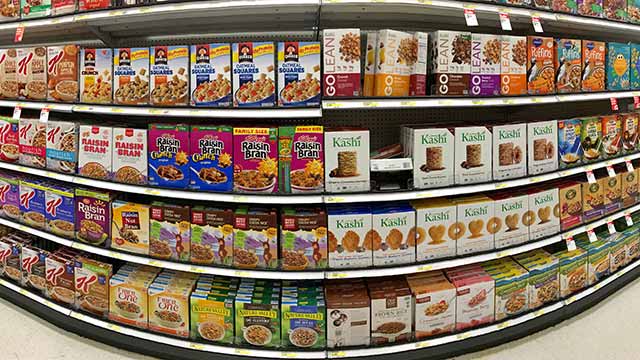
As a significant source of grains, the majority of cereal products will contain high amounts of oxalate.
Here is a breakdown of the oxalate data that is available for popular cereal brands.
General Mills
| Cereal | Serving Size | Oxalate Content |
|---|---|---|
| Raisin Nut Bran | 1 cup | 57 mg |
| Multi-Bran Chex | 1 cup | 36 mg |
| Total Raisin Bran | 1 cup | 31 mg |
| Fiber One | 1 cup | 26 mg |
| 100% Granola Oats Honey | 1 cup | 26 mg |
| Oatmeal Crisp w/ Almonds | 1 cup | 24 mg |
| Honey Nut Clusters | 1 cup | 23 mg |
| Low-Fat 100% Granola | 1 cup | 20 mg |
| Wheaties Raisin Bran | 1 cup | 11 mg |
Kashi
| Cereal | Serving Size | Oxalate Content |
|---|---|---|
| Go Lean | 1 cup | 18 mg |
| Good Friends | 1 cup | 13 mg |
| Puffed Kashi | 1 cup | 13 mg |
Kellogg’s
| Cereal | Serving Size | Oxalate Content |
|---|---|---|
| Raisin Square Mini-Wheats | 1 cup | 55 mg |
| All-Bran Original | 1 cup | 52 mg |
| Raisin Bran | 1 cup | 46 mg |
| Complete Wheat Bran Flakes | 1 cup | 45 mg |
| All-Bran Buds | 1 cup | 40 mg |
| Muesli Apple & Almond | 1 cup | 30 mg |
| Frosted Mini-Wheats | 1 cup | 28 mg |
| Raisin Bran Crunch | 1 cup | 27 mg |
| Low-Fat Granola Raisin | 1 cup | 24 mg |
| Mueslix | 1 cup | 23 mg |
| All-Bran Extra Fiber | 1 cup | 22 mg |
| Cracklin’ Oat Bran | 1 cup | 13 mg |
| Smart Start | 1 cup | 15 mg |
| Cocoa Krispies | 1 cup | 15 mg |
| Just Right Fruit & Nut | 1 cup | 13 mg |
Post
| Cereal | Serving Size | Oxalate Content |
|---|---|---|
| 100% Bran | 1 cup | 75 mg |
| 40% Bran | 1 cup | 48 mg |
| Spoonsize Shredded Wheat | 1 cup | 45 mg |
| Shredded Wheat | 1 cup | 42 mg |
| Cranberry Almond Crunch | 1 cup | 35 mg |
| Grape Nuts | 1 cup | 28 mg |
| Great Grains Crunch Pecan | 1 cup | 27 mg |
| Great Grains Raisin & Date | 1 cup | 25 mg |
| Banana Nut Crunch | 1 cup | 23 mg |
Other
| Cereal | Serving Size | Oxalate Content |
|---|---|---|
| Corn Grits | 1 cup | 97 mg |
| Red River Cereal | 1 cup | 52 mg |
| Nabisco Honey Shredded Wheat | 1 cup | 47 mg |
| Nabisco Shredded Wheat | 2 biscuits | 42 mg |
| Cream of Wheat | 1 cup | 18 mg |
| Farina Cereal | 1 cup | 16 mg |
Nuts
Nuts contain a substantial amount of oxalate even in relatively small amounts.
Here is a look at the available data.
| Nut | Serving Size | Oxalate Content |
|---|---|---|
| Almonds | 1 oz (28 g) | 122 mg |
| Cashew Nuts | 1 oz (28 g) | 49 mg |
| Mixed Nuts | 1 oz (28 g) | 39 mg |
| Peanuts | 1 oz (28 g) | 27 mg |
| Trail Mix | 1 oz (28 g) | 15 mg |
| Pistachios | 1 oz (28 g) | 14 mg |
| Pecans | 1 oz (28 g) | 10 mg |
Walnuts (and other nuts) will also contain oxalate in varying concentrations.
Additionally, be aware of nut products such as almond flour, nut butter, and any kind of food with nut ingredients.
Vegan Proteins
Some popular vegan-friendly protein options contain oxalate due to their soy content.
However, the available data for this group is not significant, and the amounts may vary depending upon brand/specific ingredients.
| Vegan Product | Serving Size | Oxalate Content |
|---|---|---|
| Vegan Burger | 1 Patty | 24 mg |
| Tofu | 3.5 oz (100 g) | 13 mg |
| Soy Burger | 3.5 oz (100 g) | 12 mg |
Vegetables (and Beans)
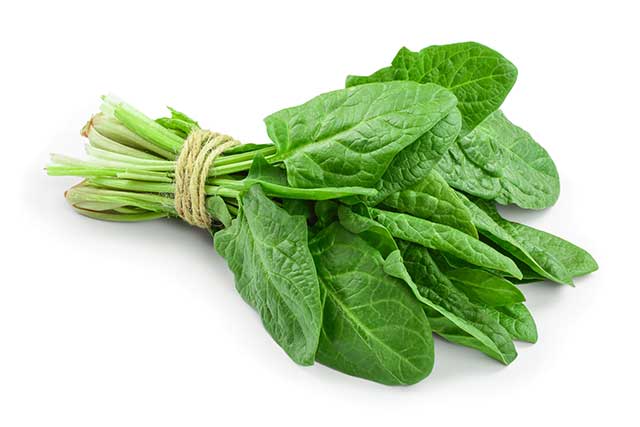
In this section, you can see the available data on the oxalate content of various vegetables.
Remember that only the foods that have available (and reliable) data are here.
| Vegetable | Serving Size | Oxalate Content |
|---|---|---|
| Spinach (cooked) | 1 cup | 1510 mg |
| Rhubarb | 1 cup | 1082 mg |
| Okra | 1 cup | 1014 mg |
| Spinach (raw) | 1 cup | 656 mg |
| Beet Greens | 1 cup | 500 mg |
| Red Swiss Chard | 1 cup | 420 mg |
| Green Swiss Chard | 1 cup | 347 mg |
| Beets | 1 cup | 152 mg |
| Navy Beans | 1 cup | 152 mg |
| Baked Potato w/ skin | 1 medium | 97 mg |
| Rutabaga | 1 cup | 62 mg |
| Turnip | 1 cup | 60 mg |
| Fava Beans | 1 cup | 40 mg |
| Bamboo Shoots | 1 cup | 35 mg |
| Tomato Sauce | 1 cup | 34 mg |
| Refried Beans | 1 cup | 32 mg |
| Parsnip | 1 cup | 30 mg |
| Red Kidney Beans | 1 cup | 30 mg |
| Sweet Potato | 1 cup | 28 mg |
| Carrots | 1 large carrot | 20 mg |
| Celery (cooked) | 1 cup | 10 mg |
| Collards | 1 cup | 10 mg |
What Is a Low-Oxalate Diet?
Low-oxalate diets are frequently characterized as being <100 mg per day (4).
However, this classification can vary, and some research suggests that individuals at risk should limit oxalate to <50 mg (5, 6).
Of course, anyone who feels they need to limit oxalate should do so after consulting with their dietitian or medical physician.
Additionally, there is no need for most healthy people to limit oxalate, and many oxalate-rich foods are healthy and nutrient-dense.
Final Thoughts
This guide provided a list showing foods that contain high amounts of oxalate.
Once again, these are the most common oxalate-rich foods which had reliable data available.
However, this does not mean that food not mentioned on this list is definitely low in oxalate.
Overall, the highest oxalate foods include almonds, grains, and vegetables such as spinach, beet greens, and rhubarb.
Lastly, it is worth remembering that just because food has a high oxalate content doesn’t mean it is unhealthy.
For more articles on popular nutritional topics, see here.