Garcinia cambogia is marketed as a weight loss supplement. It is promoted as a safe way to lose weight, but does the evidence support the marketing claims?
Overall, the evidence is mixed, and it does not support clear weight loss benefits. Furthermore, there have been several documented side effects associated with garcinia cambogia supplementation, including rare reports of liver injury.
In this article, we clearly present what the available evidence shows about garcinia cambogia, its potential benefits, and its downsides.
Table of contents
What is Garcinia Cambogia?
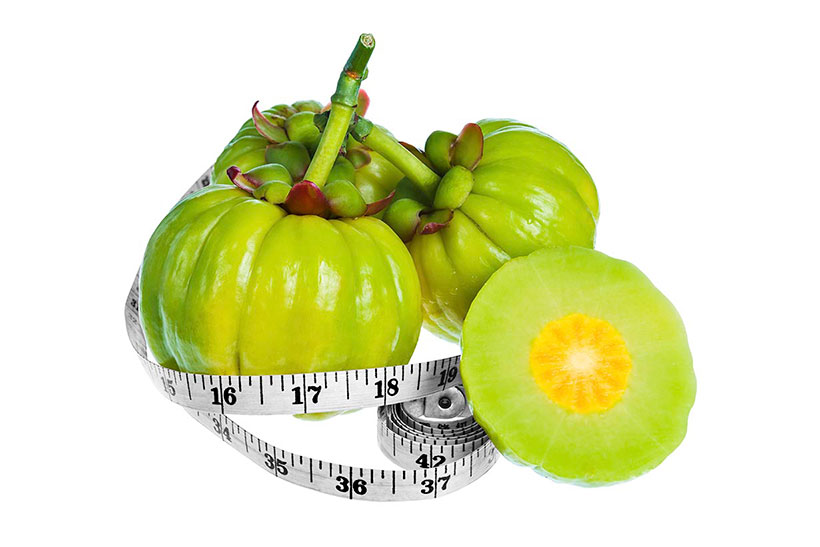
Garcinia cambogia supplements are made from the dried rind of an exotic fruit called Garcinia gummi-gatta.
This rind contains high concentrations of hydroxycitric acid (HCA), a compound which may inhibit an important enzyme called adenosine triphosphate citrate lyase. This enzyme helps the body produce fats from carbohydrates as part of a process called de novo lipogenesis.
While garcinia cambogia supplements are made from the fruit’s dried rind, the fruit itself has an appearance similar to a small pumpkin and has a pale green color.
Mechanisms: How It Might Work
In diets with a calorie surplus, most stored body fat comes from dietary fat rather than from de novo lipogenesis. However, when calorie intake exceeds requirements, excessive carbohydrate can also be converted to fat via de novo lipogenesis.
Since garcinia cambogia may be able to block some of this conversion, it is promoted for use as a weight loss supplement.
Additionally, a 2024 systematic review demonstrated that garcinia cambogia may decrease leptin levels.
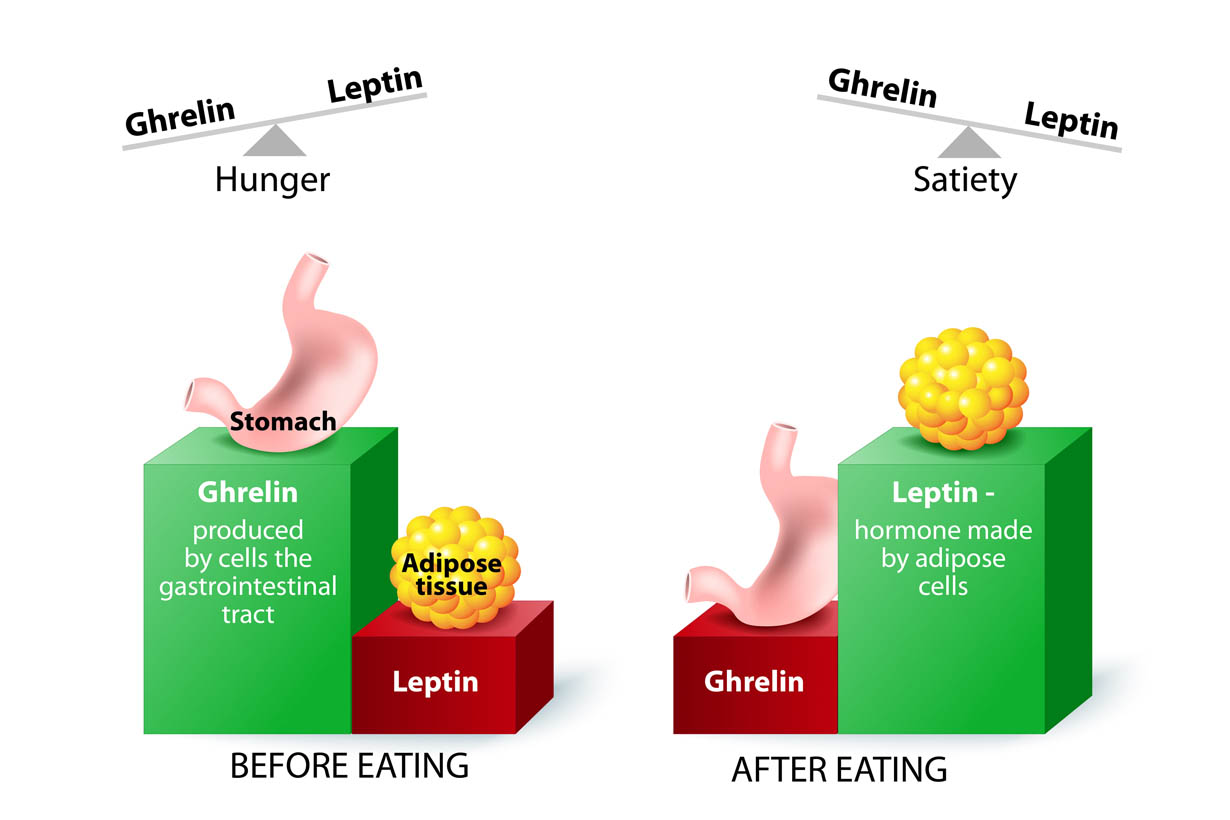
What is Leptin?
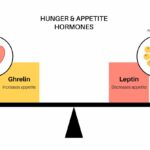
Leptin is a hormone that signals a feeling of fullness, which should typically help people refrain from overeating. However, individuals with overweight and obesity often develop leptin resistance, which is where the body releases so much leptin that they become resistant to its effects.
In other words, the signal to stop eating doesn’t work as well as it does in individuals of normal weight. Garcinia cambogia being able to lower circulating leptin levels is another proposed mechanism for how it may work.
However, just because garcinia cambogia may help inhibit de novo lipogenesis and decrease leptin levels doesn’t automatically mean it will be effective for weight loss.
Garcinia Cambogia and Weight Loss
Numerous randomized controlled trials involving human participants have investigated garcinia cambogia supplementation for weight loss.
Two systematic reviews analyzed all these studies to better understand how garcinia cambogia may impact body weight.
One systematic review published in 2020 analysed data from eight trials involving 530 participants, finding that:
- Weight loss: Over the studies, garcinia cambogia supplementation reduced weight by an average of 1.34 kg compared to placebo.
- Quality of evidence: The authors warned that the results should be interpreted with caution. This was because significant differences were noted between the individual studies, and a dose-response relationship between garcinia cambogia and weight loss could not be established.
Additionally, an earlier 2020 systematic review examined the impact of herbal medicines, including garcinia cambogia, on weight loss. The study found:
- No effect: Garcinia cambogia had no significant effect on weight loss compared to placebo.
- Further research necessary: The authors advised that further research is necessary due to the small number of studies. They noted that there is insufficient evidence to recommend any of the herbal medicines studied, including garcinia cambogia.
Nutritionist’s Note
If you’re looking at the above studies wondering what it means for you, then here’s a quick translation:
- Mixed evidence: While some studies found garcinia cambogia may have a small (~1kg) impact on weight loss, other studies found no effect.
- Heterogeneity: Significant heterogeneity existed, which means that the results, participants, doses, or other factors across studies were very different. This makes it hard to be sure of the results and if they would be relevant for the general population.
- Clinical significance: Even in the individual studies where weight loss occurred, it is difficult to ascertain the clinical significance of weight loss averaging 1.34 kg.
Based on this, garcinia cambogia may potentially support slight weight loss in some individuals. However, there was no consistent evidence to support recommendations for its supplementation as a weight loss aid.
Other Potential Health Effects of Garcinia Cambogia
Aside from its impact on body weight, several studies have investigated other ways in which garcinia cambogia may affect health.
Most of this research relates to its impact on blood cholesterol.
Blood Cholesterol Levels
A 2023 systematic review of 16 trials involving 623 participants looked at the effect of supplementing garcinia cambogia on cholesterol, triglycerides, and more. The findings from this study indicated that:
- Total cholesterol and triglycerides: Blood levels of total cholesterol and triglycerides significantly fell.
- Low-density cholesterol (LDL-C): There were no significant effects on LDL-C levels.
- High-density cholesterol (HDL-C): A small increase in HDL-C was observed.
The authors noted that there were significant differences in the characteristics of each study (heterogeneity) and that further research is necessary to confirm the findings.
What Does This All Mean?
While total cholesterol, triglycerides, and high-density cholesterol may all play a role in cardiovascular health, LDL-C is most highly associated with cardiovascular risk.
Current evidence has led to a consensus that LDL-C, which is sometimes referred to as “bad cholesterol,” is a causal risk factor in the development of cardiovascular diseases.
As the authors also noted that further studies are required to confirm the findings, it is difficult to evaluate the significance of these findings for health.
Blood Glucose Levels
Some past individual studies have suggested that garcinia cambogia might influence blood glucose levels.
A 2025 systematic review and meta-analysis reviewed nine randomized controlled trials that recorded garcinia cambogia’s effect on blood sugar levels.
While there was mixed evidence from the individual studies, the meta-analysis concluded that there were no significant effects on fasting blood sugar.
Is Garcinia Cambogia Safe?
As with any herbal supplement, there may be a potential for context-specific side effects. The available evidence suggests that the potential for liver injury is the biggest safety concern to consider with garcinia cambogia.
Liver Injury
Several case reports exist detailing hepatoxicity (liver toxicity) associated with garcinia cambogia.
In rare cases, liver damage has been reported, with some case studies even reporting the need for a liver transplant.
Such severe outcomes warrant caution, but individual case studies cannot confirm that garcinia cambogia caused the liver damage.
A 2021 systematic review investigated herbal products, including garcinia cambogia, associated with liver injury.
This review found that garcinia cambogia had been associated with 29 cases of liver injury. The cases had mean AST and ALT levels of 1918 and 1927 IU/L, respectively. AST and ALT are liver enzymes, and levels this high are approximately 50 times higher than typical levels and signify liver injury.
However, the vast majority of people who have supplemented garcinia cambogia have not experienced these relatively rare liver issues. Additionally, a 2025 systematic review involving 444 participants found that garcinia cambogia supplementation had “no significant effect” on liver enzyme levels.
So, what might be causing a small number of people to have these side effects?
Factors to Consider
- Association is not causation: When reviewing the research on garcinia cambogia and liver injury, the first point to note is that something being associated with an outcome doesn’t necessarily mean it caused the outcome.
- The risk may be influenced by genetics: One study looked at the characteristics of people who experienced liver injury from garcinia cambogia. It found that these patients had a significantly higher presence of a gene called HLA-B∗35:01 allele. This exact gene is also significantly more present in individuals who experienced green tea-induced injury, suggesting something about the gene may stress the liver when processing specific herbs.
- Multiple ingredient supplement blends: Some reports of liver issues may be related to other ingredients contained in a supplement alongside garcinia cambogia. For example, one popular historical weight loss product combined garcinia cambogia with ephedra, a stimulant linked to liver injury.
- Public health guidance: The National Institutes of Health states that while severe cases of liver injury have been reported, they appear to be uncommon. They also add that it’s possible that garcinia cambogia may interact with other medications that affect the liver, so this is something that should be kept in mind for those using such medications.
Is Using Garcinia Cambogia a Good Choice?
Overall, there is mixed evidence on garcinia cambogia.
However, the most recent systematic reviews found either “no significant effect” or very slight reductions in weight of uncertain clinical significance. Where effects were seen, weight loss stood at approximately 1.34 kg. Both of these systematic reviews also noted the quality of evidence wasn’t high.
While reports of liver injury while using garcinia cambogia are very rare, they do exist. Given the severity of these uncommon side effects and the lack of clear benefits and long-term use data, the current evidence doesn’t clearly support garcinia cambogia being both effective and safe for weight loss.
Weight loss is something that many people struggle with and it can be very difficult. While herbal supplements are often marketed as a simple solution, they often lack clear evidence of effectiveness.
Anyone considering the use of garcinia cambogia or potential weight loss medications should consult with their healthcare provider for individualized guidance.
Lastly, although the effects are very mild, certain foods may have slight appetite-suppressing effects due to their impact on satiety hormones. Including some of these foods as part of a healthy diet may potentially help support weight management.