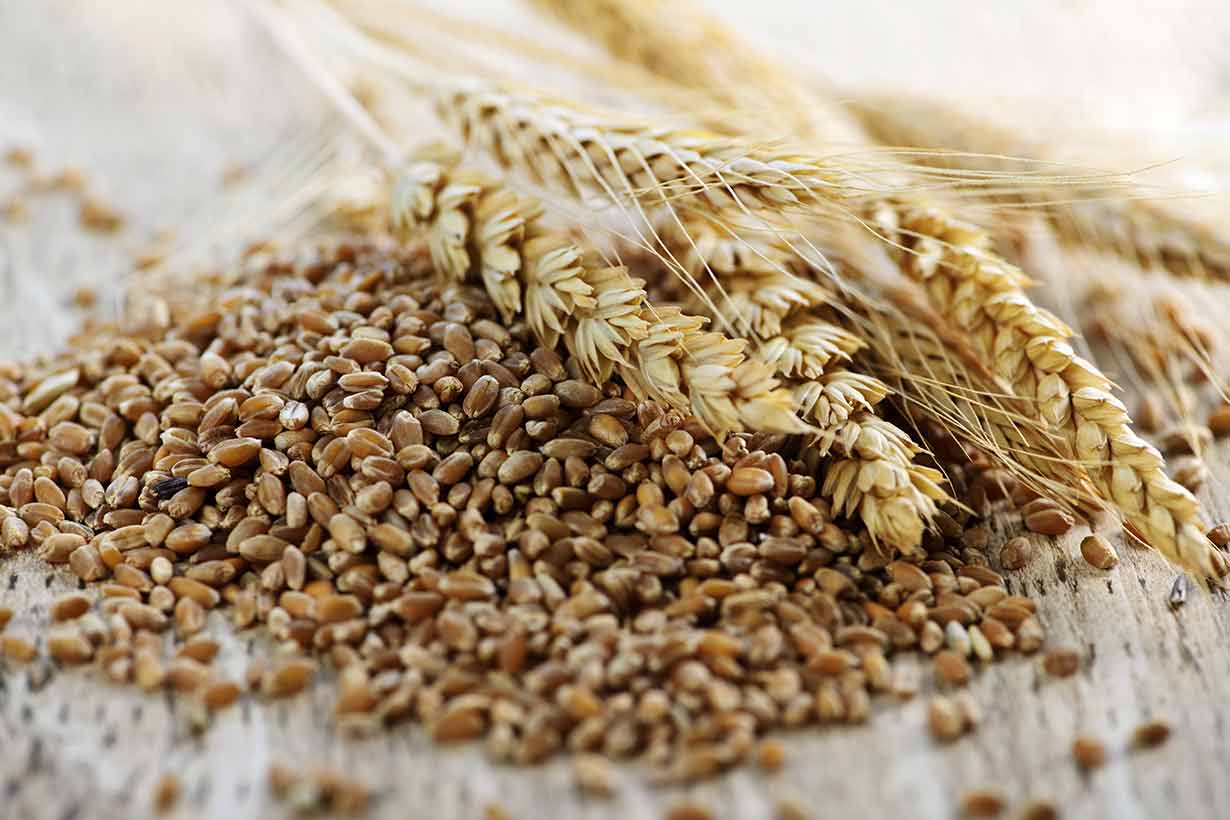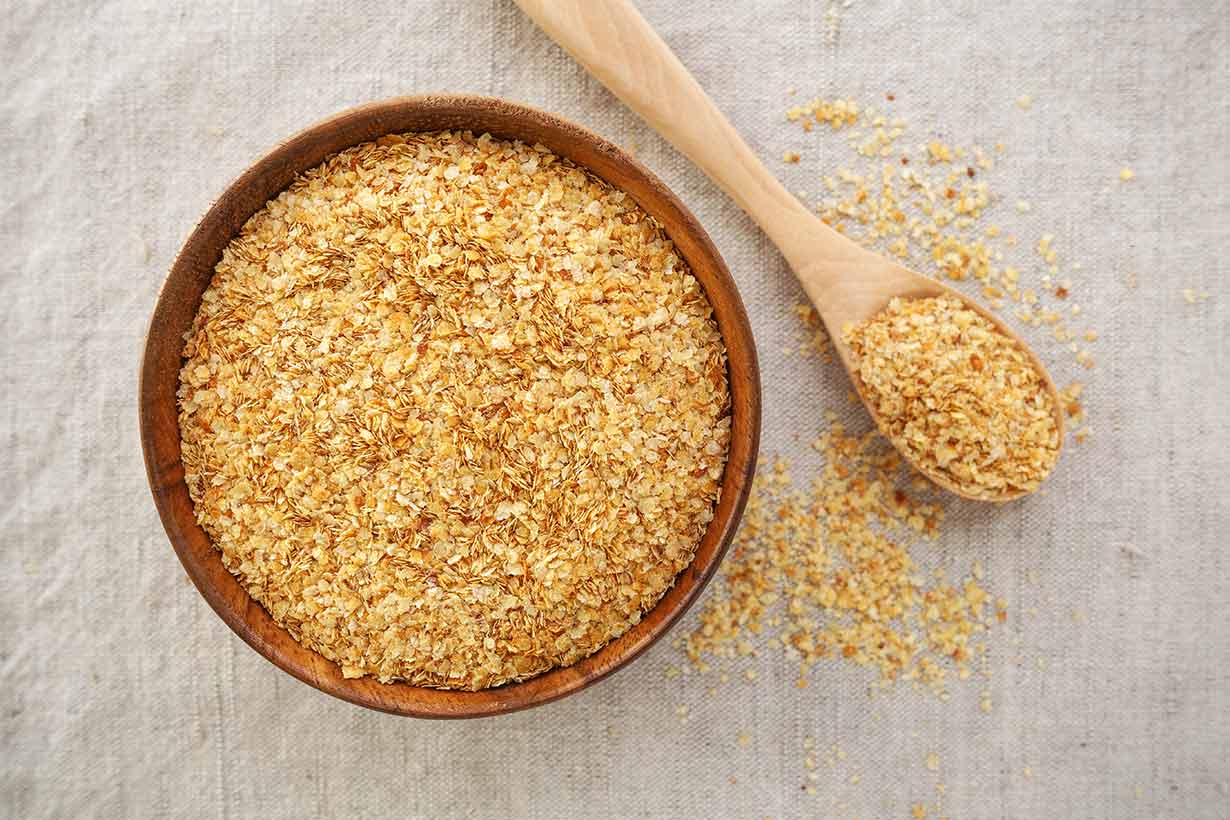
While classed as a whole grain, buckwheat is botanically a type of seed. For this reason, it is sometimes referred to as a “pseudocereal.”
Buckwheat is a rich source of dietary fiber, bioactive compounds, and key essential minerals like magnesium. Research also suggests that buckwheat may have several potential health benefits.
In this article, we explore the nutritional properties of buckwheat and take an evidence-based look at its potential benefits and drawbacks.
Table of contents
Potential Health Benefits
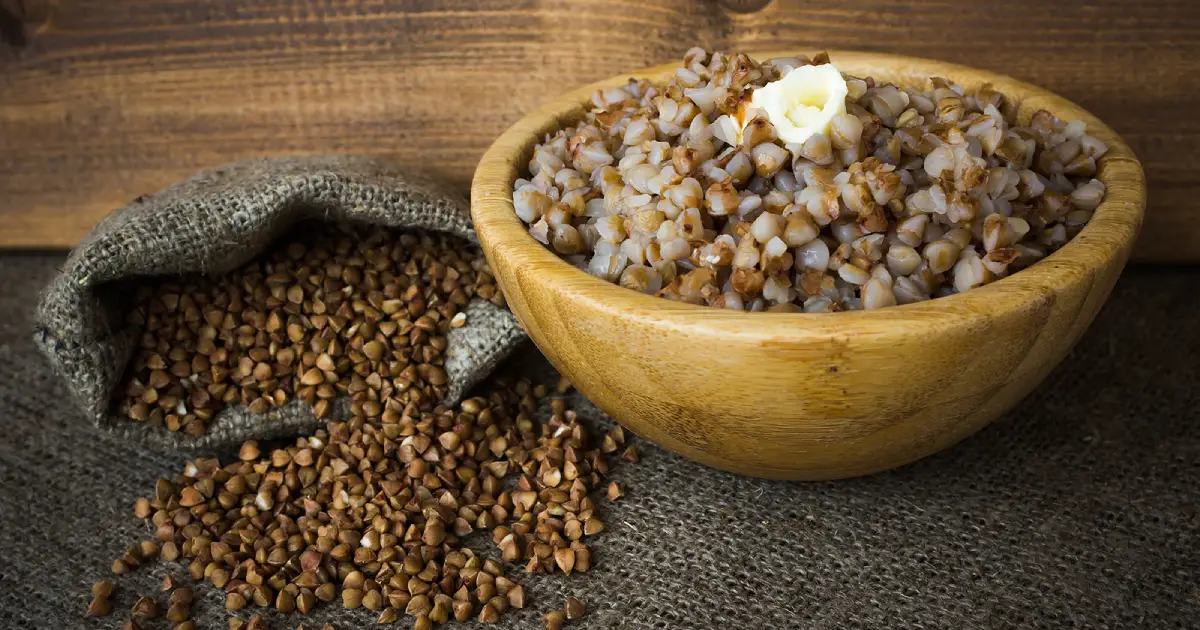
First, let’s assess the potential health benefits of buckwheat and the strength of the evidence that supports each one.
May Improve Heart Health
Several studies have investigated the impact of buckwheat consumption on markers of cardiovascular health.
For example, here are some findings from high-quality studies:
- A 2024 systematic review found evidence for buckwheat intake improving blood sugar control and lowering “bad” LDL cholesterol in adults with type 2 diabetes. However, these findings were based on a small number of studies, and further research is necessary for greater clarity on these effects.
- A prior 2022 systematic review of studies on buckwheat and cardiometabolic health had indicated that buckwheat may slightly lower total cholesterol and blood sugar. However, results were inconsistent across the analyzed studies.
- A 2018 systematic review examined the impact of buckwheat consumption on cardiovascular disease risk markers. The review included 13 randomized controlled trials, which found that buckwheat intake lowered total cholesterol and blood sugar levels. However, no significant effect was seen on LDL cholesterol.
While the results from these studies indicate that buckwheat may improve markers of heart health, the overall evidence is limited and findings are inconsistent.
However, they are supported by the wider available research on whole grain intake in general.
Wider Research on Whole Grains
- According to a 2023 systematic review, consuming whole grains rather than refined grains is associated with a reduced risk of cardiovascular disease and all-cause mortality.
- Based on findings from a 2025 systematic review, whole grain intake improved several key aspects of metabolic health, including lowering LDL cholesterol, blood sugar, and blood pressure.
Key point: While the overall evidence is inconsistent, research suggests that buckwheat may improve several key markers of heart health. These potential benefits replicate wider findings on the benefits of whole grains for blood sugar control and regulating lipids (cholesterol).
Buckwheat Intake May Improve Gastrointestinal Health
A 2022 systematic review reviewed the research on how buckwheat consumption impacts gut health. This review included 14 studies involving human participants, as well as animal studies and “in vitro” (test tube) studies.
Among its findings, the review noted that:
- Buckwheat had demonstrated anti-inflammatory and anti-cancer properties in animal and test tube studies.
- Consuming buckwheat led to greater diversity in “beneficial” gut bacteria.
- In animal studies, buckwheat intake led to increases in short-chain fatty acid (SCFA) production, which is associated with health benefits and lower inflammation. This happens through intestinal gut bacteria fermenting the fibers in buckwheat.
- Current evidence suggests buckwheat may improve gastrointestinal health. However, there is limited evidence from human research and more research is necessary.
Key point: Limited evidence from human trials suggests that buckwheat consumption may improve gut health.
Buckwheat is Suitable For Gluten-Free Diets
While buckwheat may contain “wheat” in its name, it is a completely different species of plant.
Known scientifically as Fagopyrum esculentum, buckwheat does not contain gluten like grains such as barley, wheat, and rye do.
Gluten is a type of protein found in some grains that can cause gastrointestinal symptoms for people with celiac disease and non-celiac gluten sensitivity.
Since buckwheat is a gluten-free grain, organizations including the National Celiac Association and Beyond Celiac state that it can be a beneficial dietary addition for people following gluten-free diets.
Notably, a 2017 randomized controlled trial demonstrated that including buckwheat in a gluten-free diet led to:
- Fewer symptoms: A lower severity of gastrointestinal symptoms such as bloating and abdominal pain.
- Improved nutrient status: An increase in blood levels of the essential mineral magnesium.
- Potentially lower inflammation: Lower levels of several markers of inflammation, such as interferron gamma, were observed. Interferron gamma is a protein involved in the immune system.
However, it is possible that some buckwheat products may contain traces of gluten due to cross-contamination in factories also using gluten-containing grains. For this reason, it is important to check product labels carefully for any cross-contamination-related statements.
Key point: Buckwheat is a beneficial dietary addition for individuals following a gluten-free diet. It is an alternate source of the fiber and micronutrient content found in grains like wheat and rye.
Buckwheat Contains Several Nutrients of Concern for Underconsumption
Another benefit of buckwheat is the package of protein, fiber, vitamins, and minerals it provides, all of which contribute to nutritional status.
Among the nutrients in buckwheat, dietary fiber and potassium have been classed as ‘dietary components of public health concern‘ by the 2020–2025 Dietary Guidelines for Americans due to their widespread underconsumption.
In this regard, a 168-gram cup of cooked buckwheat groats typically provides 4.54 grams of dietary fiber (16% of the daily value) and 148 mg of potassium (3% of the daily value). It also provides a small amount of calcium, which is another nutrient of concern.
However, buckwheat is also a significant source of magnesium. While magnesium hasn’t been identified as a ‘dietary component of public health concern,’ research shows that insufficient magnesium intake is prevalent.
In fact, recent NHANES data found that close to 50% of Americans fell below the Estimated Average Requirement’ (EAR) for magnesium intake.
A 168g cup of cooked buckwheat groats typically provides 85.7 mg of magnesium, which is over 20% of the daily value.
Key point: As the nutritional composition of buckwheat shows, including buckwheat in the diet can significantly contribute to intake levels of dietary fiber and magnesium. Both of these nutrients are often underconsumed.
Buckwheat Is a Rich Source of Bioactive Compounds That May Benefit Health
Buckwheat contains numerous plant chemicals that may have a beneficial impact on our health. These chemicals are often referred to as ‘phytonutrients,’ ‘antioxidants’ or ‘bioactive compounds.
Most of the compounds in buckwheat are a type of phytonutrient called polyphenols.
Buckwheat contains 178 distinct phytochemicals, which includes:
- Fagopyritols A1–A3 and B1–B3.
- Flavonoid polyphenols including rutin, quercetin, and vitexin.
- Phenolic acids like caffeic acid, chlorogenic acid, ferulic acid, and gallic acid.
- Phytosterols such as sitosterol and stigmasterol.
- Tannins like procyanidins.
All of these compounds are the subject of ongoing research to better understand their potential health effects. Additionally, recent findings from three systematic reviews on polyphenols include:
- Potential gut and inflammatory benefits: A 2024 systematic review found that “high quality” evidence indicated polyphenols may improve the ratio of beneficial bacteria in the gut in individuals with overweight or obesity. It also suggested that polyphenols may reduce inflammation in these individuals.
- Potential immune benefits: A 2024 systematic review assessed the effect of polyphenols on the immune system during aging. The review found that polyphenols appeared to be able to restore immune function, potentially due to antioxidant effects.
- Reduced all-cause mortality? A 2024 systematic review and meta-analyis analyzed data from seven large observational studies involving 178,657 participants. The review found “consistent evidence” that increased polyphenol intake was associated with a reduced risk of all-cause mortality.
Key point: Buckwheat contains high concentrations of phytochemicals, which may confer health benefits.
Nutritional Profile of Buckwheat
The following tables present the full nutritional values for cooked buckwheat groats per 100g and per 168g cup.
All nutritional data is sourced from the USDA’s FoodData Central entry for cooked buckwheat, and daily values are based on a typical 2,000 calorie diet.
Calories and Macronutrients
| Nutrient | Per 100g | Per 168g cup |
|---|---|---|
| Calories | 92 kcal | 155 kcal |
| Carbohydrates | 19.9g (7% DV) | 33.4g (12% DV) |
| Fiber | 2.7g (10% DV) | 4.54g (16% DV) |
| Sugars | 0.9g | 1.51g |
| Fat | 0.62g (1% DV) | 1.04g (1% DV) |
| Saturated fat | 0.13g (1% DV) | 0.23g (1% DV) |
| Monounsaturated fat | 0.19g | 0.32g |
| Polyunsaturated fat | 0.19g | 0.32g |
| Omega-3 | 0.01g | 0.02g |
| Omega-6 | 0.17g | 0.32g |
| Protein | 3.38g (7% DV) | 5.68g (11% DV) |
| Cholesterol | 0 mg (0% DV) | 0 mg (0% DV) |
Vitamins
| Vitamin | Per 100g | Per 168g cup |
|---|---|---|
| Vitamin A (RAE) | 0 mcg (0% DV) | 0 mcg (0% DV) |
| Vitamin C | 0 mg (0% DV) | 0 mg (0% DV) |
| Vitamin D | 0 mcg (0% DV) | 0 mcg (0% DV) |
| Vitamin E | 0.09 mg (1% DV) | 0.15 mg (1% DV) |
| Vitamin K | 1.9 mcg (2% DV) | 3.19 mcg (3% DV) |
| Thiamin (B1) | 0.04 mg (3% DV) | 0.07 mg (6% DV) |
| Riboflavin (B2) | 0.04 mg (3% DV) | 0.07 mg (5% DV) |
| Niacin (B3) | 0.94 mg (6% DV) | 1.58 mg (10% DV) |
| Pantothenic acid (B5) | 0.36 mg (7% DV) | 0.60 mg (12% DV) |
| Vitamin B6 | 0.08 mg (5% DV) | 0.13 mg (8% DV) |
| Folate (B9) | 14 mcg (4% DV) | 23.5 mcg (6% DV) |
| Vitamin B12 | 0 mcg (0% DV) | 0 mcg (0% DV) |
| Choline | 20.1 mg (4% DV) | 33.8 mg (6% DV) |
As the table shows, a cup of cooked buckwheat provides a moderate source of choline and B vitamins, and a small amount of vitamins E and K.
Minerals
| Mineral | Per 100g | Per 168g cup |
|---|---|---|
| Calcium | 7 mg (1% DV) | 11.8 mg (1% DV) |
| Iron | 0.8 mg (4% DV) | 1.34 mg (7% DV) |
| Magnesium | 51 mg (12% DV) | 85.7 mg (20% DV) |
| Phosphorus | 70 mg (6% DV) | 118 mg (9% DV) |
| Potassium | 88 mg (2% DV) | 148 mg (3% DV) |
| Sodium | 4 mg (<1% DV) | 6.72 mg (<1% DV) |
| Zinc | 0.61 mg (6% DV) | 1.02 mg (9% DV) |
| Copper | 0.15 mg (17% DV) | 0.25 mg (28% DV) |
| Manganese | 0.40 mg (17% DV) | 0.68 mg (30% DV) |
| Selenium | 2.2 mcg (4% DV) | 3.7 mcg (7% DV) |
A cup of cooked buckwheat groats is high in copper, manganese, and magnesium. It contains moderate amounts of selenium, zinc, phosphorus, and iron.
Potential Drawbacks
While buckwheat is a nutrient-rich, healthy choice, one potential downside is the possibility of buckwheat allergies.
Buckwheat Allergy
Buckwheat is not among the most common allergens, but recent research has indicated it has allergenic potential:
- Severe allergic reactions and cross-reactivity: School studies in Japan and Korea have found between 4–60 cases of anaphylaxis (severe allergic reaction) related to buckwheat intake, per 100,000 people.
- Inhalative exposure: A case study suggests that people who may inhale buckwheat (e.g. health food workers) may develop a sensitivity to consuming buckwheat. However, this single case study should be treated as limited evidence.
- Prevalence: According to ThermFisher Scientific, approximately 2.5% of the United States population is sensitized to buckwheat. “Sensitized” means that the body has developed antibodies to buckwheat, which may potentially manifest as an allergy. However, it is possible to be sensitized to a food without ever developing an allergy with physical symptoms.
- Cross-reactivity: It is thought that cross-reactive allergic reactions are possible between buckwheat and latex, coconut, peanut, poppy seed, and quinoa.
Anyone who suspects they may have an allergy to buckwheat should consult with their healthcare provider.
Key point: It is possible to be allergic to buckwheat, but it is not one of the most common allergens.
How To Use
There are several different ways to incorporate buckwheat into your diet. Here are some of the most common ways:
- As a rice substitute: You can use cooked buckwheat groats in many dishes as an alternative to rice.
- Salads and stir-fries: Mix some cooked buckwheat groats into a salad or stir-fry.
- In baking: Buckwheat flour is available and can be used in baking. However, it does not have the same “binding” characteristics as wheat flour due to its lack of gluten. Therefore, it should be used alongside other flours, which recipes will typically indicate.
- Porridge: It’s possible to use buckwheat groats to make porridge in a similar way to oatmeal. Just replace the oats with buckwheat groats.
- Buckwheat noodles: Buckwheat noodles can be used as a replacement to wheat or rice noodles. Note: 100% buckwheat noodles are available, but some products may also contain wheat. Check product labels carefully if a gluten-free product is important.
Summary
Buckwheat is a nutrient-rich, gluten-free grain that provides high levels of dietary fiber and essential minerals like magnesium, manganese, and copper.
In addition, it’s a versatile food that’s simple to add into your diet.
Like other whole grains, scientific research indicates that it may have potential benefits for cardiovascular and gastrointestinal health. This is potentially due to its high levels of dietary fiber and polyphenols.
However, compared to other whole grains like wheat and oats, there is a comparative lack of dedicated research specific to buckwheat.
References
Full List of Scientific References
(Click to Expand)
All citations used within this article are listed below, with full details for each scientific source.
- Camilla Elena Magi et al. (2024). Use of ancient grains for the management of diabetes mellitus: A systematic review and meta-analysis. View study in the Nutrition, Metabolism, and Cardiovascular Diseases journal
- Erand Llanaj et al. (2022). Buckwheat and cardiometabolic health: A systematic review and meta-analysis. View study in the Journal of Personalized Medicine
- Liangkui Li et al. (2018). Buckwheat and CVD risk markers: A systematic review and meta-analysis. View study in Nutrients journal
- Huifang Hu et al. (2023). Consumption of whole grains and refined grains and associated risk of cardiovascular disease events and all-cause mortality: A systematic review and dose-response meta-analysis of prospective cohort studies. View study in the American Journal of Clinical Nutrition
- Huiru Huang et al. (2025). The impact of whole grain consumption on metabolic health: An umbrella review of systematic reviews and meta-analyses of randomized controlled trials. View study in the Food & Function journal
- Ezra Valido et al. (2023). Systematic review of human and animal evidence on the role of buckwheat consumption on gastrointestinal health. View study in the Nutrients journal
- Marcela Banegas et al. (2025). Gastrointestinal and extraintestinal symptoms among subjects with celiac disease undergoing a dose-specified gluten challenge: A systematic review and meta-analysis. View study in the American Journal of Gastroenterology
- Francesca Manza et al. (2025). Non-celiac gluten/wheat sensitivity—state of the art: A five-year narrative review. View study in the Nutrients journal
- National Celiac Association. (2025). Buckwheat: Is buckwheat gluten free? View information at the National Celiac Association
- Beyond Celiac. (n.d.). Is Buckwheat Gluten-Free? View information at Beyond Celiac
- Monica Dinu et al. (2017). Symptomatic efficacy of buckwheat products in Non-Celiac Gluten Sensitivity (NCGS). View study in the Asia Pacific Journal of Clinical Nutrition
- Dietary Guidelines for Americans (n.d.). Food sources of selected nutrients. View information at Dietary Guidelines for Americans
- USDA. (n.d.). Buckwheat groats, roasted, cooked. View USDA data
- Alexandra E Cowan et al. (2019). Total usual micronutrient intakes compared to the Dietary Reference Intakes among U.S. adults by food security status. View study in the Nutrients journal
- Peter Francis Raquindin et al. (2021). A systematic review of phytochemicals in oat and buckwheat. View study in the Food Chemistry journal
- Ting Mao et al. (2024). Effects of polyphenols on gut microbiota and inflammatory markers in individuals with overweight or obesity: A systematic review and meta-analysis of randomized controlled trials. View study in the Critical Reviews in Food Science and Nutrition journal
- Beatriz Santana Mendonca et al. (2024). The effect of plant-derived polyphenols on the immune system during aging: A systematic review. View study in the Immunopharmacology and Immunotoxicology journal
- Roberta Zupo et al. (2024). Dietary intake of polyphenols and all-cause mortality: A systematic review with meta-analysis. View study in the Metabolites journal
- Dan Norback. (2021). A review of epidemiological and clinical studies on buckwheat allergy. View study in the Plants journal
- Julia Felicitas Pilz et al. (2025). Occupational buckwheat allergy in a healthfood store employee: From inhalative exposure to anaphylaxis. View study in the Allergologie Select journal
- ThermoFisher Scientific. (2020). Allegen encyclopedia: Buckwheat scientific information. View information at Thermofisher Scientific