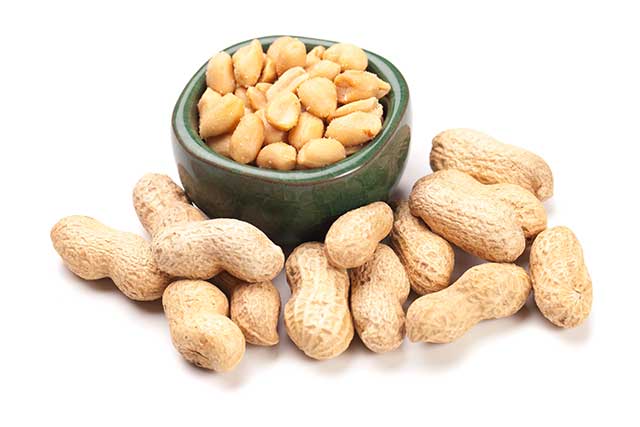
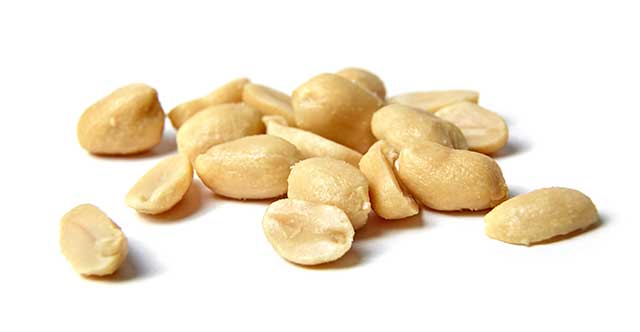
Peanuts are one of the most popular snacks around the world.
Although peanuts are technically legumes, we class them as nuts due to their similar nutritional profile.
But are these pseudo nuts just as good for you as true nuts?
This article provides an in-depth review of peanuts and their nutritional properties.
What Are Peanuts?
The peanut, sometimes referred to as groundnut or monkey nut, is a type of legume that grows underground.
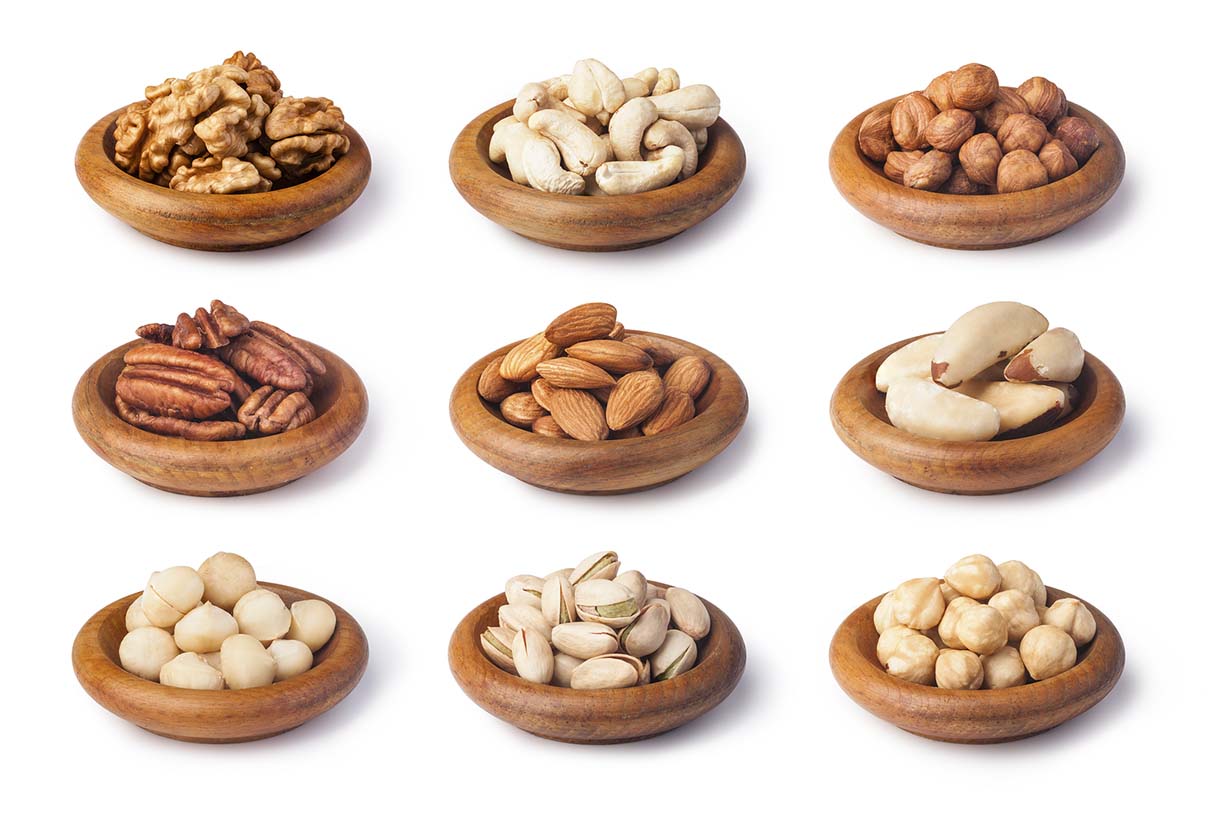
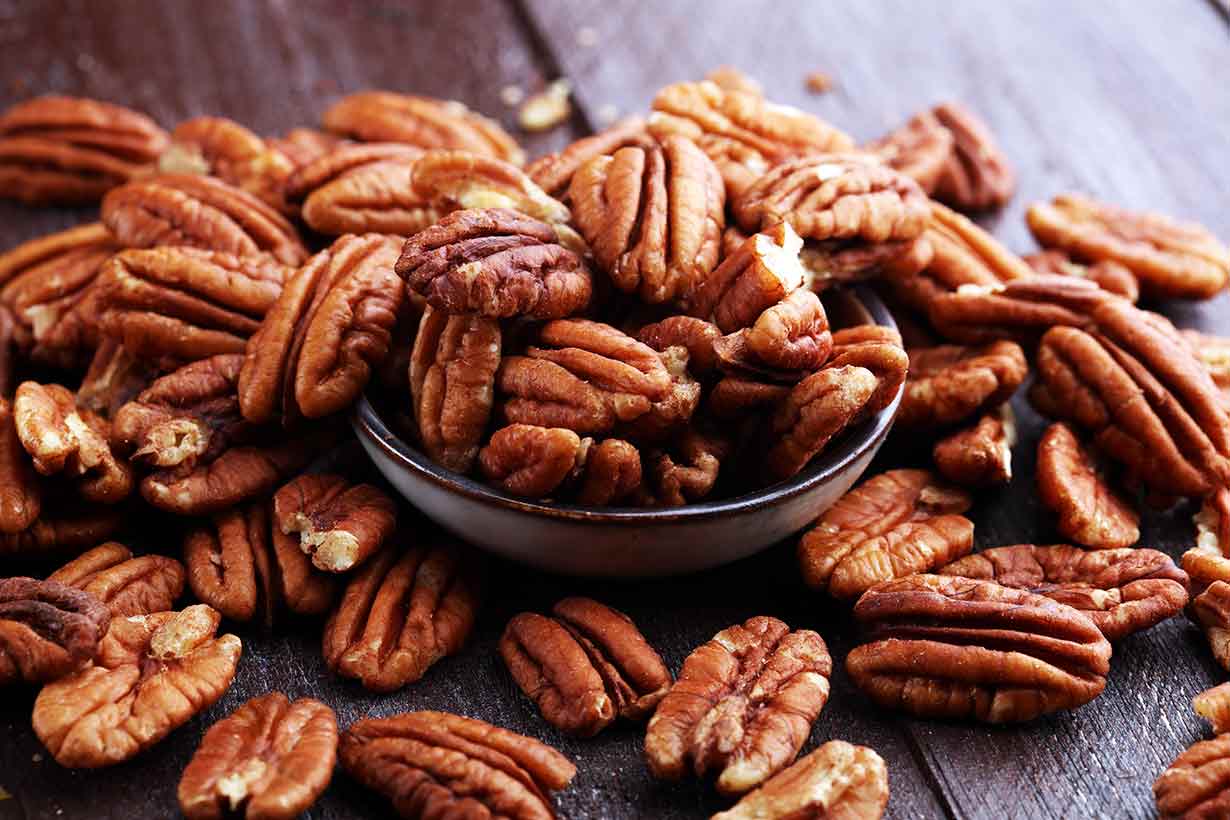
Interestingly, peanuts are more closely related to lentils, peas, and soybeans than they are to tree nuts like almonds and pecans.
However, we refer to them as nuts because of their similar appearance and nutritional profile.
Peanuts are a popular type of snack, whether raw, salted, roasted or coated in a variety of toppings.
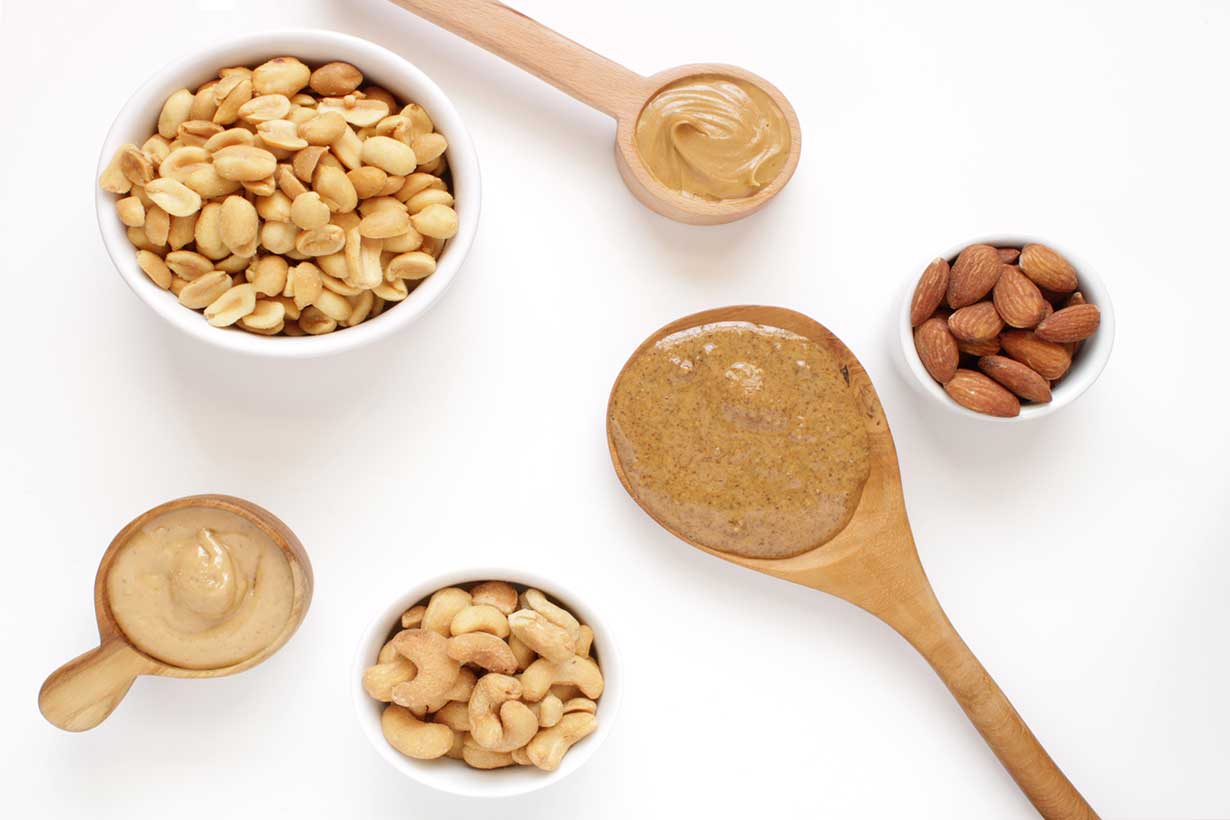
In addition, peanut products are also very popular around the world, with peanut butter being a notable example. Peanut butter was the first commercially available nut butter, and it’s still the most popular.
Other products like peanut flour and peanut butter powder are also becoming popular.
Nutritionally, the nuts are primarily a source of (monounsaturated) fat, and they also offer protein and a range of vitamins and minerals.
Key Point: Peanuts are a legume but more commonly known as a nut. Unlike other nut varieties, they grow underground.
Health Benefits
Peanuts rarely get mentioned compared to other nuts in conversations about health benefits.
However, this is perhaps undeserved as they do have a good nutrition profile.
In this section, we’ll look at some potential health benefits of peanuts.
1) Peanuts May Improve Cardiovascular Markers of Health
Research suggests that adding peanuts into the diet can improve markers of cardiovascular health.
For example, a systematic review of 13 randomized controlled trials found that peanut consumption significantly improved high-density lipoprotein (HDL) levels. Additionally, there were no changes to other markers such as triglycerides and low-density lipoprotein (LDL) (1).
As a result, peanut intake appears to lower the ratio of non-HDL to HDL.
On this note, numerous studies suggest that the non-HDL to HDL (and total cholesterol to HDL) ratio may be better markers of cardiovascular risk than traditional LDL counts (2, 3, 4, 5).
Key Point: Peanuts may improve cardiovascular health by increasing HDL levels.
2) A Good Source of Healthy Fats
Peanuts are primarily a source of dietary fat.
A one-ounce serving (28 grams) of peanuts offers 13.8 grams of fat, half of which is monounsaturated fat (6).
Among the different fatty acids in peanuts, the most predominant is called oleic acid (7).
Oleic acid is also the primary fatty acid in olives and olive oil, and it has a “heart healthy” reputation.
Some initial cell line (test tube) and animal studies suggest that oleic acid may have anti-inflammatory properties and promote fatty acid oxidation (8, 9).
However, further human trials are necessary to improve knowledge in this area.
Key Point: Peanuts contain large amounts of oleic acid, a monounsaturated fatty acid that may have various health benefits.
3) A Good Source of Protein
Peanuts offer approximately 7.2 grams of protein per 28-gram serving (6).
This protein content is equivalent to over 25 grams of protein per 100 grams, which is a significant amount.
On the negative side, the protein digestibility rating of peanuts is only around 0.52 (compared to 0.92 for beef and 1.00 for eggs) (10).
However, peanuts are still a reasonably good source of plant protein.
Key Point: Peanuts contain high amounts of protein, but it isn’t as digestible as animal proteins like eggs and meat.
4) Rich In Biotin (Vitamin B7)
Not many people know about biotin, a compound that is also known as vitamin B7.
This vitamin was formerly known as ‘vitamin H,’ and it plays a vital role in energy metabolism. Biotin also appears to help regulate blood sugar levels (11, 12).
On the positive side, peanuts are one of the best dietary sources of biotin, and only organ meats and eggs contain more of the vitamin.
Key Point: Peanuts offer high amounts of biotin, an essential vitamin that plays a role in energy metabolism.
5) Peanuts Are Associated With Longevity Benefits
As always with associations, it is important to recognize that correlation doesn’t necessarily equal causation.
That said, studies show an association between peanut consumption and longer life.
For instance, three extensive cohort studies, featuring over 200,000 participants, found that higher peanut intake had an association with (14);
A decreased risk of total mortality
Lower risk of mortality from cardiovascular disease
However, it is worth being aware of possible confounders, such as the ‘healthy user bias.’
To illustrate this point, people who make an effort to consume higher amounts of nuts are also more likely to have other healthy lifestyle habits such as exercise.
As a result, it is hard to prove that the intake of one specific food is responsible for the benefits.
Key Point: Peanuts are associated with longevity, but we can’t definitely say this is because of the peanuts.
6) Peanuts Contain Antioxidants and Polyphenols
Another potential benefit of peanuts is their antioxidant and polyphenol content.
Firstly, peanuts are a good source of vitamin E, which is a fat-soluble vitamin with antioxidant properties (15, 16).
A typical 28-gram serving of peanuts offers 2.3 mg of vitamin E, which is equivalent to 12% of the recommended daily intake (17).
Peanuts also contain a range of polyphenols, bioactive compounds that may have health-promoting properties. These polyphenols are mainly concentrated in the skins of peanuts (18, 19).
In a 5-week rodent study, adding peanut skin extract to the diet of the rats led to decreases in triglycerides and plasma fatty acids (20).
However, this does not infer the same would be true in humans, and more research is necessary in this regard.
Key Point: Peanuts are contain moderate amounts of vitamin E, and they are a rich source of polyphenols.
Potential Concerns and Side Effects
In addition to the benefits peanuts present, there are also some potential concerns and side effects to consider.
1) Peanut Allergy
Peanut allergy is one of the most common food allergies in the world.
On this note, research suggests that peanut allergy affects around 1.4% of the US population (21).
Based on the current population of 327 million people, this would be equal to 4.5 million peanut allergies in the United States alone.
Unfortunately, allergic reactions can be serious and cause anaphylaxis (a severe allergic reaction). According to research, peanuts are the most common cause of fatal anaphylaxis (22).
Symptoms of anaphylaxis can include dizziness and breathing difficulties (23).
Anyone suspecting a severe allergic reaction should seek emergency medical assistance.
Key Point: Peanut allergies are relatively common, and in some cases, they can cause severe reactions.
2) Peanuts Are High In Oxalate
Peanuts contain a moderately high concentration of oxalic acid (oxalate).
Oxalate is a compound found in some plant foods, and high amounts of it can cause problems for people with kidney problems (24).
According to Harvard School of Public Health, an ounce (28-gram) serving of peanuts contains around 27 mg of oxalate (25).
Although this is nothing to worry about for healthy individuals, it is quite high for individuals who follow a low-oxalate diet.
Diets low in oxalate are generally limited to under 50 mg of oxalate per day (26, 27).
Case studies show that high amounts of peanuts can be problematic for people with renal dysfunction (28).
Key Point: Peanuts are a moderately high source of oxalate, which can have adverse effects on individuals with pre-existing kidney issues or a history of kidney stones.
3) Aflatoxins
Aflatoxins are metabolic products produced by two common types of mold; Aspergillus flavus and Aspergillus parasiticus. These compounds are carcinogens, and they can grow on various crops (29).
Unfortunately, peanuts are one of the most commonly affected crops by aflatoxins. However, they usually contain such low amounts that researchers do not deem them to be a risk (30).
That said, in some situations, aflatoxin levels can increase. This increase is usually due to poor storage conditions that leave the nuts in a humid environment (31).
In developed countries, due to storage conditions and aflatoxin testing, health problems are rare from aflatoxins. Usually, aflatoxin poisoning is more of a concern in the developing world (32, 33).
However, it is a good habit to store peanuts in a cool and dark place and to discard any nuts that seem old or moldy.
Key Point: Aflatoxin contamination is a concern with peanuts, but it rarely causes problems in the developed world.
Full Nutrition Facts
For reference purposes, here is the full nutrition profile of peanuts.
The data source is the USDA Food Composition Databases, and the values are per 100 grams (6).
Peanuts – Basic Nutrition Facts (Per 100 Grams)
Calories/Nutrient
Amount
Calories
567 kcal
Carbohydrate
16.1 g
Fiber
8.5 g
Sugars
4.0 g
Fat
49.2 g
Saturated Fat
6.8 g
Monounsaturated Fat
24.4 g
Polyunsaturated Fat
15.6 g
Omega-3 Fatty Acids
3.0 mg
Omega-6 Fatty Acids
15555 mg
Protein
25.8 g
Peanuts are primarily a source of fat, but they also provide moderate amounts of carbohydrate and fat.
Approximately half of the carbohydrate content comes from fiber.
For anyone looking for nuts which mainly offer fat and fewer carbs, check out pili nuts.
Peanuts – Vitamin Profile (Per 100 Grams)
Vitamin
Amount
% DV
Folate
240 mcg
60 %
Niacin (B3)
12.1 mg
60 %
Thiamin (B1)
0.6 mg
43 %
Vitamin E
8.3 mg
42 %
Pantothenic Acid (B5)
1.8 mg
18 %
Vitamin B6
0.3 mg
17 %
Riboflavin (B2)
0.1 mg
8 %
Peanuts are a good source of B vitamins and vitamin E.
Peanuts – Mineral Profile (Per 100 Grams)
Mineral
Amount
% DV
Manganese
1.9 mg
97 %
Copper
1.1 mg
57 %
Magnesium
168 mg
42 %
Phosphorus
376 mg
38 %
Iron
4.6 mg
25 %
Zinc
3.3 mg
22 %
Potassium
705 mg
20 %
Selenium
77.2 mcg
10 %
Calcium
92 mg
9 %
Sodium
18 mg
1 %
Final Thoughts
Although they are technically a legume, peanuts are just as nutritious as true tree nuts.
These “nuts” offer healthy fats, good protein content, and a wide variety of essential nutrients.
They are also an excellent snack option, especially when replacing unhealthy alternatives.
As a bonus, peanuts taste delicious – particularly in their salted and roasted forms.
For a true tree nut with a unique nutrition profile, see this guide to chestnuts.
Michael works as a nutritionist in a community setting and holds a Master's degree in Clinical Nutrition. He is a Registered Associate Nutritionist (ANutr) with the Association for Nutrition (AfN), and has published peer-reviewed research.