Buckwheat: Potential Benefits, Nutrition Profile, and Drawbacks
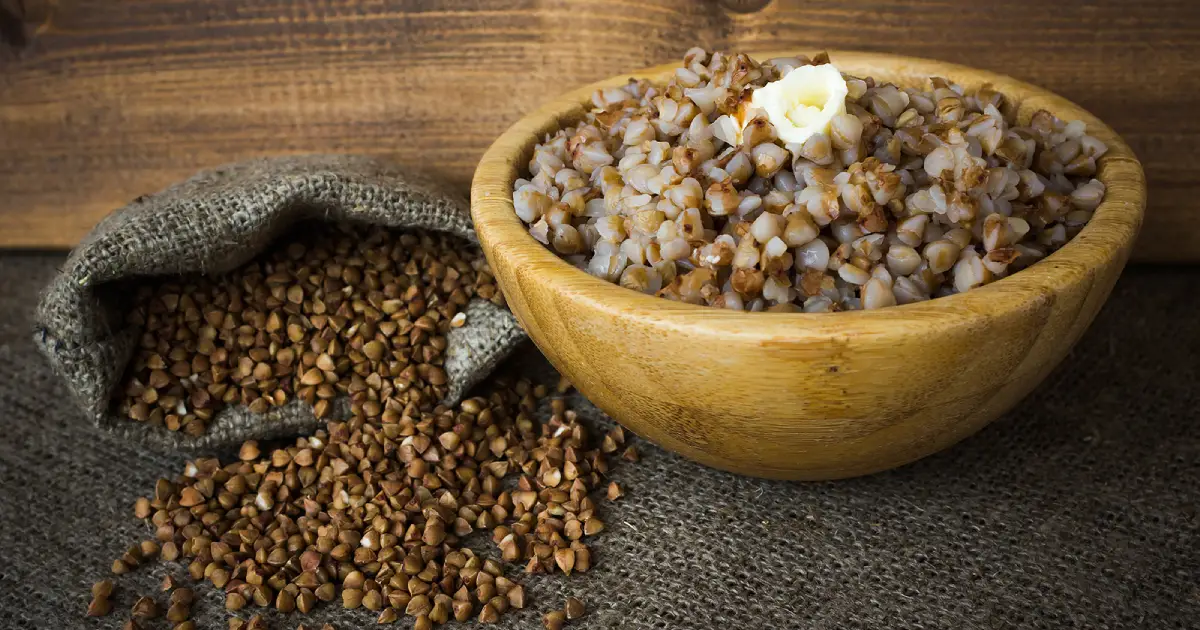
While classed as a whole grain, buckwheat is botanically a type of seed. For this reason, it is sometimes referred to as a “pseudocereal.” Buckwheat is a rich source of …

While classed as a whole grain, buckwheat is botanically a type of seed. For this reason, it is sometimes referred to as a “pseudocereal.” Buckwheat is a rich source of …

Foods that contain the most saturated fat per gram include pure fat sources such as butter, ghee, coconut oil, and palm oil. Other foods high in saturated fat, especially ‘per …

Passion fruit is a sweet, tangy, and slightly tart tropical fruit that provides high amounts of fiber, vitamin C, and copper. The fruit, known scientifically as Passiflora edulis, has also …
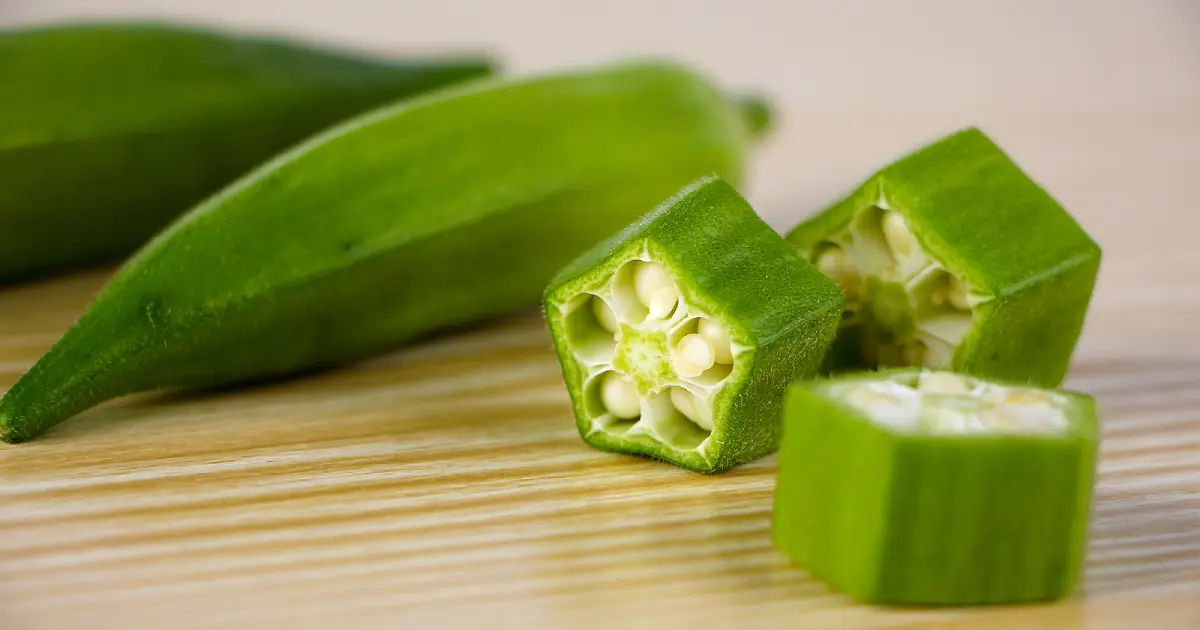
Okra is a fruit known scientifically as Abelmoschus esculentus that is commonly eaten as a vegetable. It provides notable amounts of fiber, manganese, and vitamins C and K. Recent scientific …

Oat bran is a food product made solely from the bran of whole oats. Although similar to regular oatmeal, oat bran has much higher nutrient levels, providing more protein, fiber, …
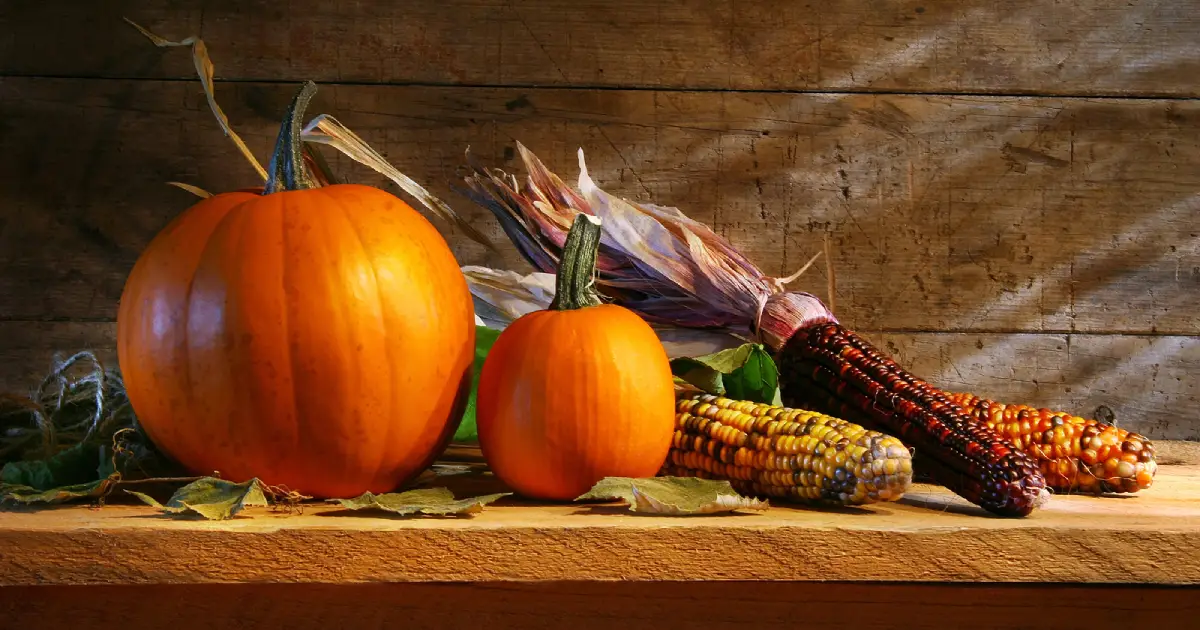
Pumpkins are large, bright orange fruits synonymous with the fall and Halloween season. While botanically a fruit, we treat pumpkins as vegetables for culinary purposes. Beyond its high fiber, vitamin …
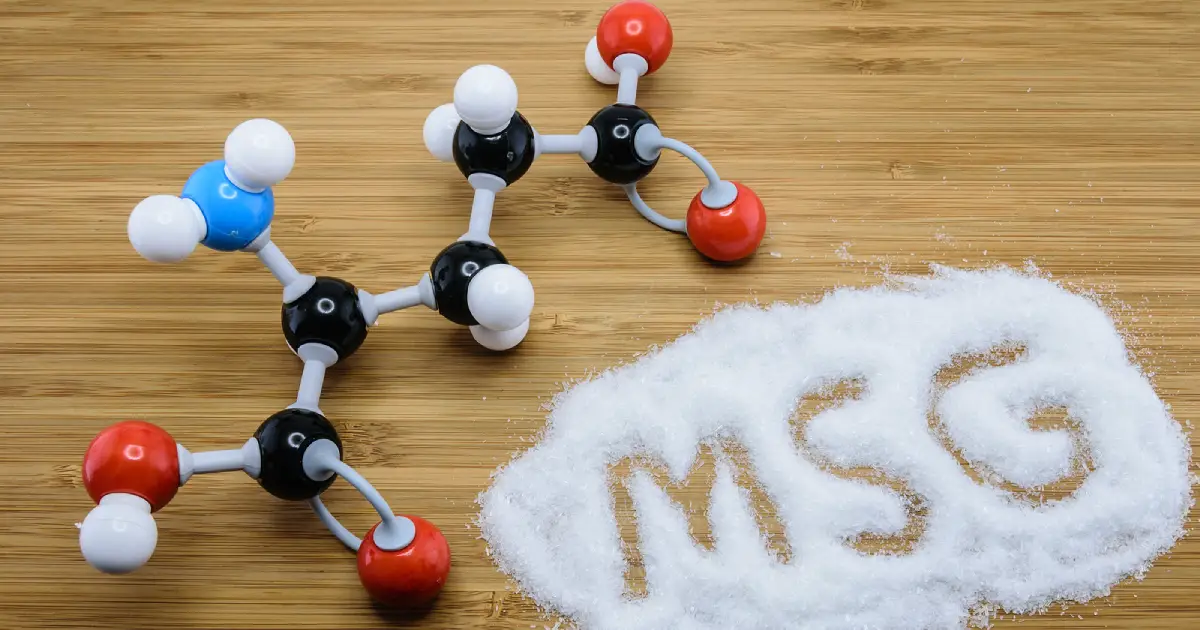
Monosodium glutamate, also known as MSG, is a flavor enhancer found in a wide range of processed foods. It can also be used as a condiment or to provide a …

You have probably heard the common dietary guidance calling for a higher intake of whole grains, and brown rice is among the most common options. In this evidence-based guide, we’ll …
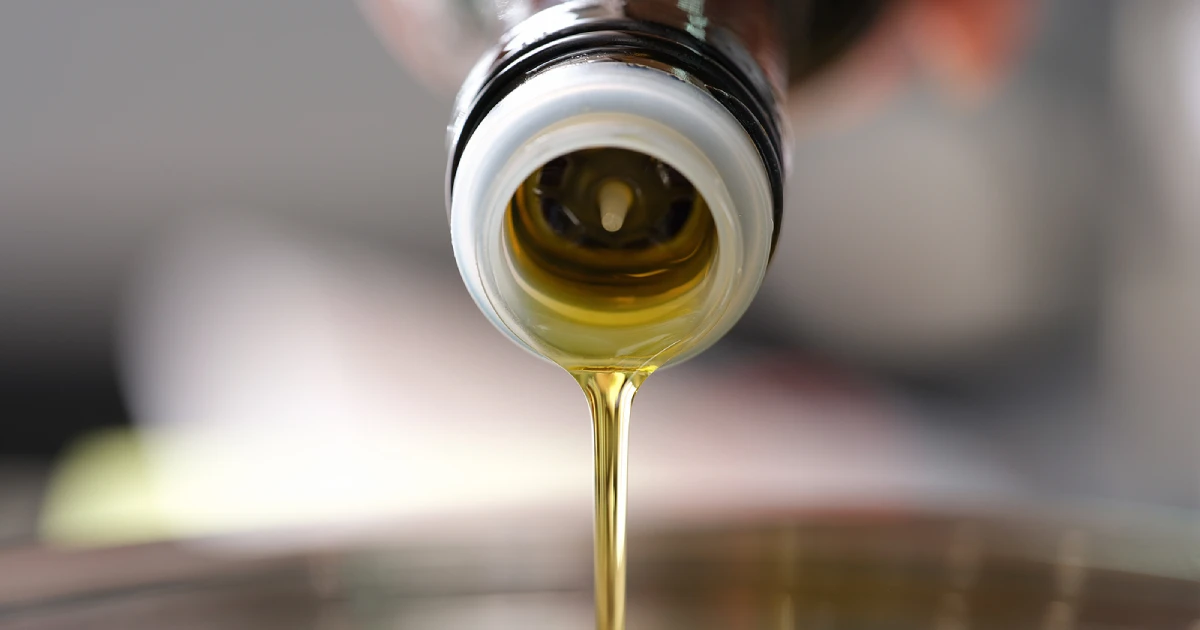
Choosing a cooking oil can be a difficult decision, with the right choice depending on the intended usage and the individual context. Two of the most popular cooking oils are …

Green garden peas are a staple food in many diets. Belonging to the legume family, they contain a wide range of essential nutrients and may offer several key health benefits. …