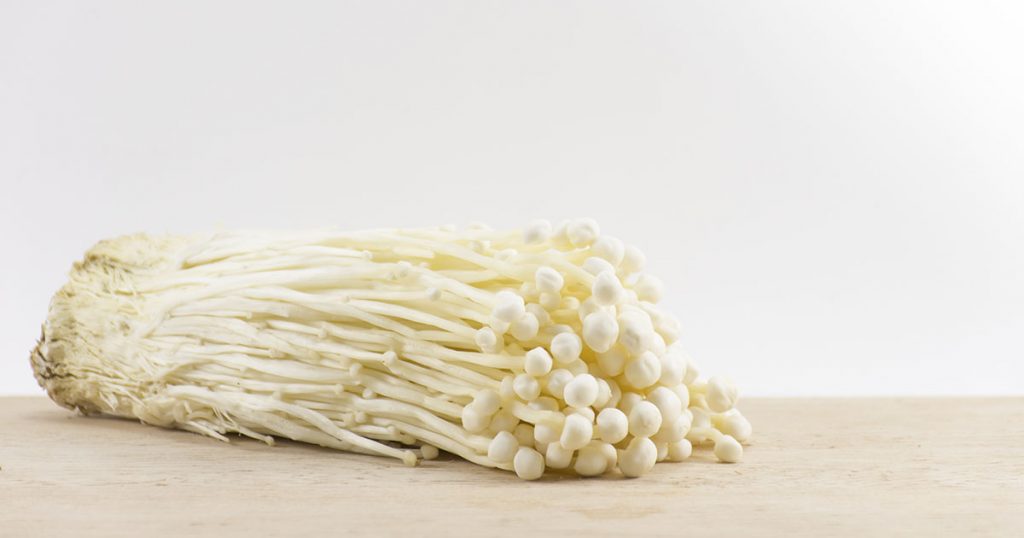
Enoki mushrooms are mushrooms that grow together in tight bundles, closely resembling noodles aside from their small caps. While ‘enoki’ is a common, short name based on the mushroom’s Japanese name, their full name is enokitake mushrooms.
Despite their thin, string-like shape, they provide a broad range of essential nutrients, providing notable amounts of B vitamins, folate, phosphorus, and potassium.
Enoki mushrooms also contain bioactive compounds like ergothioneine and proflamin. Both these compounds have attracted research interest for their potential health effects.
The key question: do enoki mushrooms have any research-backed health benefits? In this article, we examine the science behind enoki mushrooms as well as their full nutritional profile.
While it is possible that enoki mushrooms may offer several benefits, the truth is that there is very little scientific research on them.
However, there have been some relevant studies, so let’s look at what the existing research actually shows.
Ergothioneine
Enoki mushrooms are among the richest sources of a sulfur-containing amino acid called ergothioneine, containing approximately 151–298 mg per kilogram of fresh weight. This is equal to around 15–30 mg per 100 grams.
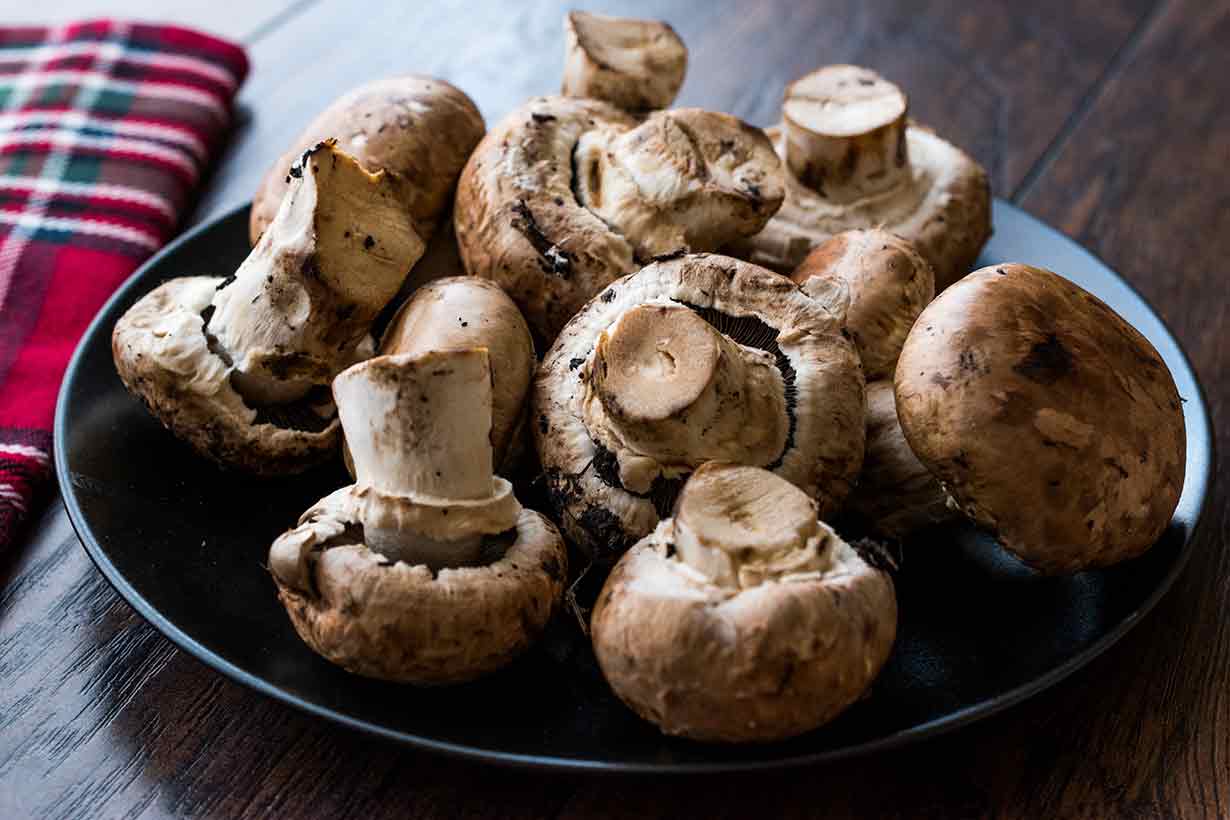
This is a significantly higher amount of ergothioneine than common white button mushrooms, which according to research contain only around 3.2 mg per 100g.
A 2025 systematic review referred to ergothioneine as a compound with “potential to be a longevity vitamin,” largely based on its potential antioxidant and anti-inflammatory properties. However, such claims are somewhat premature and require confirmation from human research.
At this time, only a handful of randomized controlled trials have tested the effects of ergothioneine in human participants. These have had mixed findings, although a small 2024 randomized controlled pilot study found that ergothioneine may help to support cognitive health by improving memory and learning in older adults.
Until further evidence is available, the current evidence base doesn’t support strong claims about ergothioneine.
Cholesterol-Lowering Effects
Research has investigated the potential cholesterol-lowering properties of enoki mushrooms in animal studies.
These studies, which are available here and here, were undertaken on rodents and found that enoki mushrooms may lower total cholesterol and “bad” LDL cholesterol.
This may have been due to the soluble fiber content of enoki mushrooms.
Note: Since there were animal studies, these studies are unable to confirm whether such effects occur in humans. Until confirmed by studies involving human participants, “cholesterol-lowering” is not a proven benefit of enoki mushrooms.
Enoki Mushrooms Contain Proflamin and Adenosine
Enoki mushrooms contain some other interesting compounds, with two notable ones being proflamin and adenosine.
Proflamin
Proflamin is a bioactive compound that appears to be unique to enoki mushrooms; as yet, it hasn’t been found in other foods. It is a type of glycoprotein, which means it contains both protein and carbohydrate within its chain structure.
You may see some claims about the benefits of proflamin, but they should be taken with a pinch of salt.
In short, there is no evidence from studies involving human participants that proflamin has health benefits.
Adenosine
Regarding adenosine, this compound is a nucleoside, a type of bioactive compound composed of nitrogen and sugars. Studies in mice have found that it may promote testosterone production.
A later 2025 randomized controlled trial found that high-adenosine powdered enoki extracts affected testosterone levels in older adult males with visible symptoms of age-related hormonal declines.
However, the results were mixed, and not all participants saw significant improvements in testosterone level.
Enoki Extracts vs Enoki Mushrooms
Regarding the above study on adenosine, it is important to note that it was a high-strength enoki extract rather than the fresh mushrooms.
These extracts provided 0.56 mg of adenosine per capsule, with participants taking ten capsules per day for 12 weeks. This is equal to 5.6 mg of adenosine per day.
Notably, it is likely that this adenosine dose will be higher than what you’ll realistically get from consuming a typical serving of fresh enoki mushrooms. Therefore, we shouldn’t presume that fresh enoki mushrooms would have the same effects as these high-adenosine extracts.
Potential Downsides
Here are some of the potential downsides of enoki mushrooms, covering both their general characteristics and findings from scientific research.
Foodborne Illness: Listeria Outbreak Concerns
There have been several outbreaks of foodborne illness associated with enoki mushrooms. These cases were due to the mushrooms harboring a foodborne pathogen called Listeria monocytogenes, which can cause the foodborne illness called listeria.
Analysis of samples has shown that enoki mushrooms from South Korea and China have tested positive for Listeria monocytogenes in relatively high proportions. For example, roughly 15–20% of samples have tested positive.
Due to this, the Centers for Disease Control have issued guidance on how to reduce the risk of Listeria infection. This advice recommends cooking enoki mushrooms thoroughly, and washing hands and equipment that have touched raw enoki mushrooms.
Mild Flavor
Compared to some mushrooms, enoki mushrooms are relatively bland and they don’t have a rich, deep flavor.
While this makes them an excellent ingredient in dishes where they can absorb flavors, they may not be the right fit for people wanting a fuller mushroom flavor.
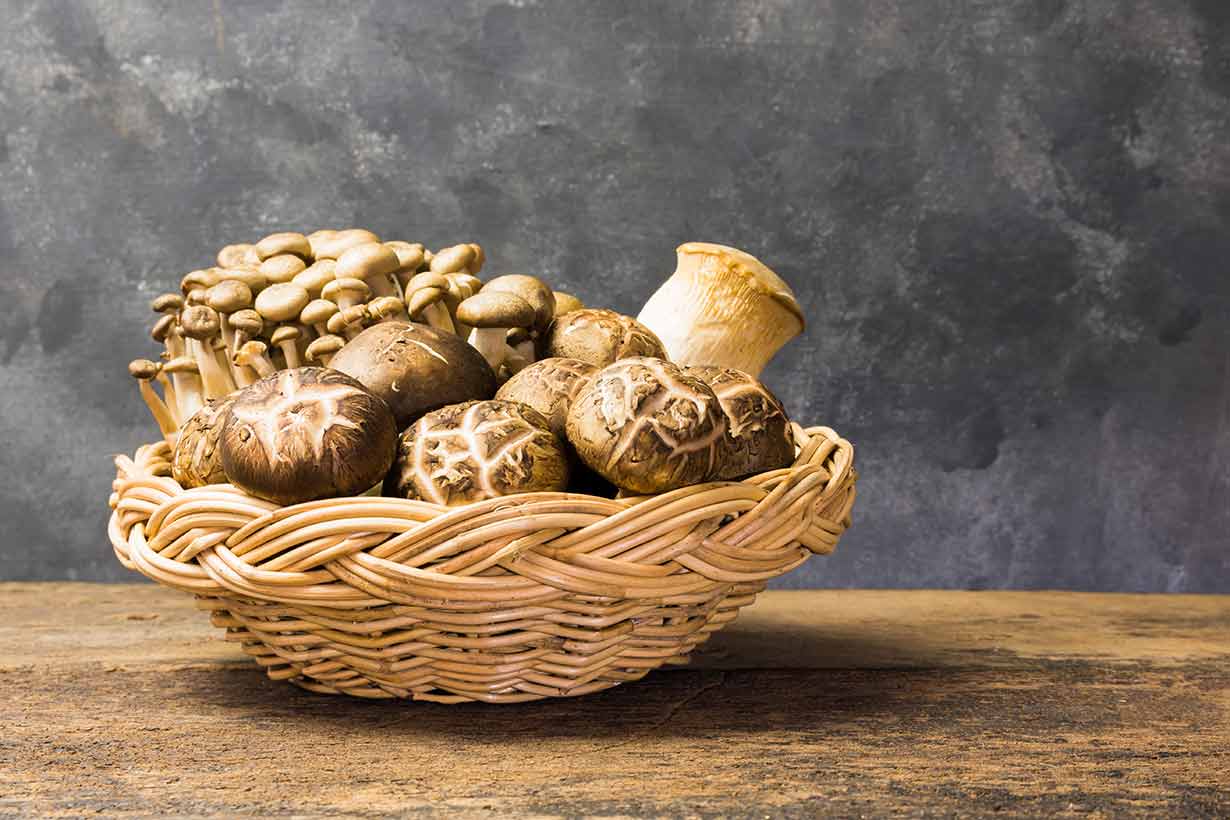
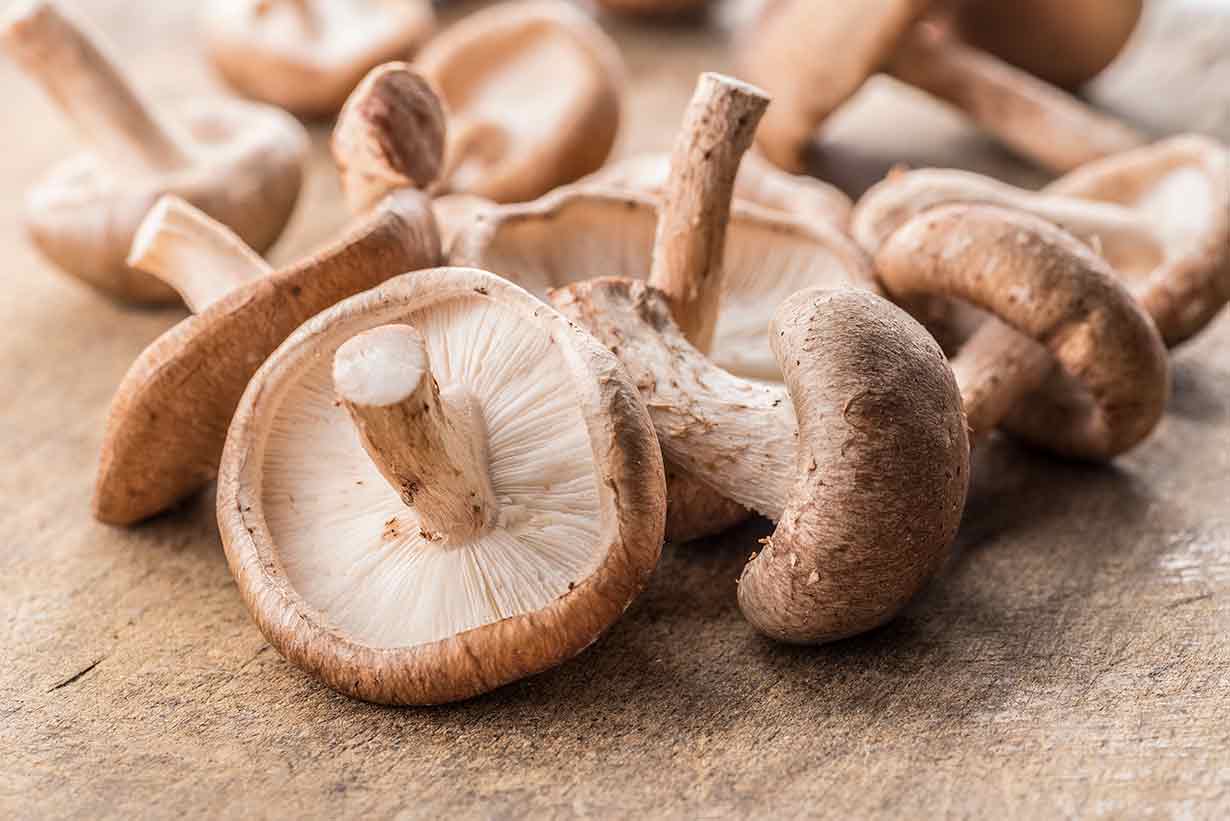
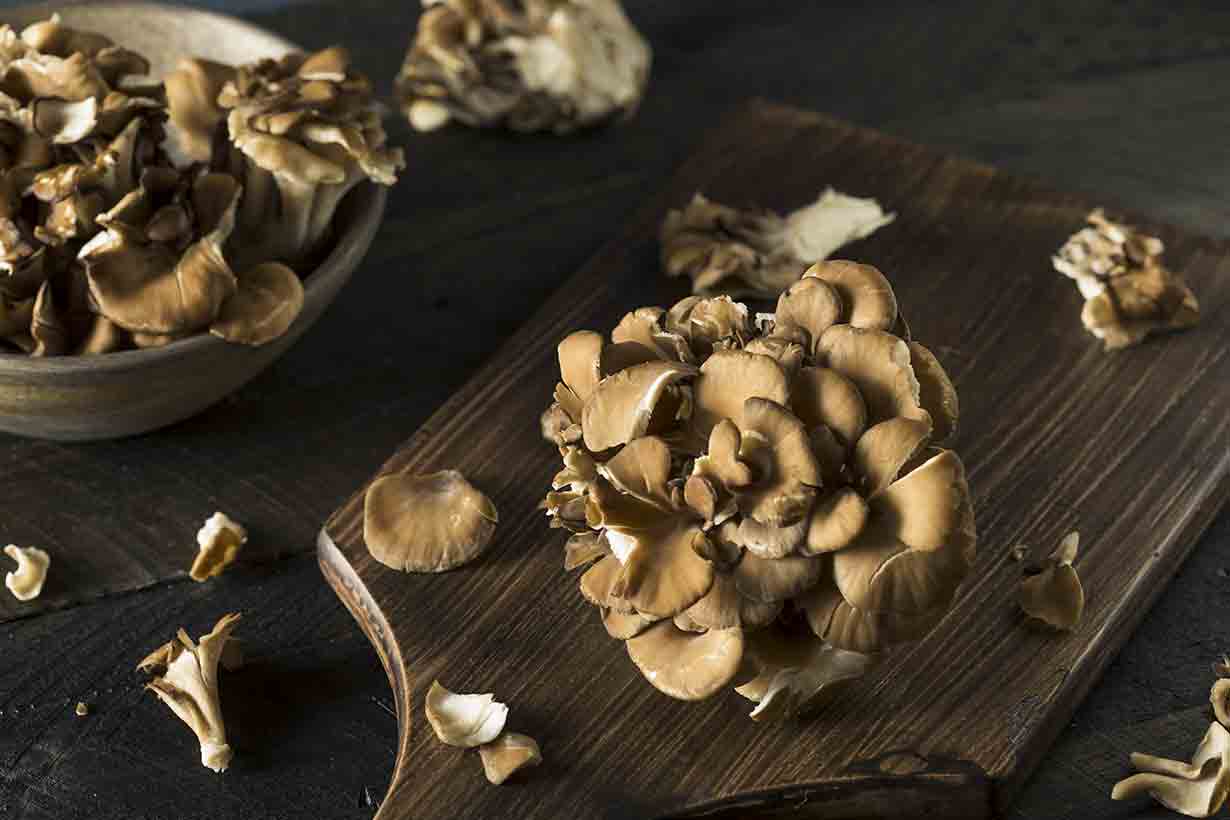
Mushrooms like portabello, shiitake, cremini, and maitake may be better options for this purpose.
That said, it is easy to add some seasonings or sauces to enoki mushrooms as you cook them, and they will absorb the flavors.
Enoki Mushroom Nutrition Facts
The following tables display the full nutritional profile of enoki mushrooms, raw weight, per 100g and per 64-gram cup.
We have used USDA FoodData Central as the source for nutritional data on enoki mushrooms. Percent Daily Values (% DV) have been calculated and rounded to the nearest whole percentage.
Nutrient
Per 100g (% DV)
Per 64g cup (% DV)
Calories
37 kcal
24 kcal
Carbohydrates
7.81g (3%)
5g (2%)
Fiber
2.7g (10%)
1.73g (6%)
Sugars
0.22g
0.14g
Fat
0.29g (<1%)
0.19g (<1%)
Saturated fat
0.03g (<1%)
0.02g (<1%)
Monounsaturated fat
0g
0g
Polyunsaturated fat
0.12g
0.08g
Omega-3
0.04g
0.03g
Omega-6
0.08g
0.05g
Cholesterol
0 mg (0%)
0 mg (0%)
Protein
2.66g (5%)
1.7g (3%)
Table 1: Calorie and macronutrient content of raw enoki mushrooms per 100g and per 64g cup
Vitamins
Vitamin
Per 100g (% DV)
Per 64g cup (% DV)
Vitamin A (RAE)
—
—
Vitamin C
0 mg (0%)
0 mg (0%)
Vitamin D
0.1 mcg (1%)
0.06 mcg (<1%)
Vitamin E
0.01 mg (<1%)
0.01 mg (<1%)
Vitamin K
0 mcg (0%)
0 mcg (0%)
Thiamin (B1)
0.23 mg (19%)
0.14 mg (12%)
Riboflavin (B2)
0.2 mg (15%)
0.13 mg (10%)
Niacin (B3)
7.03 mg (44%)
4.5 mg (28%)
Pantothenic acid (B5)
1.35 mg (27%)
0.86 mg (17%)
Vitamin B6
0.1 mg (6%)
0.06 mg (4%)
Folate (B9)
48 mcg (12%)
30.7 mcg (8%)
Vitamin B12
0 mcg (0%)
0 mcg (0%)
Choline
47.7 mg (9%)
30.5 mg (6%)
Table 2: Vitamin content of raw enoki mushrooms per 100g and per 64g cup
Look at the table and you’ll see that enoki mushrooms are high in niacin, with a cup serving containing 28% of the Daily Value. They also provide notable amounts of thiamin, riboflavin, and pantothenic acid.
Minerals
Mineral
Per 100g (% DV)
Per 64g cup (% DV)
Calcium
0 mg (0%)
0 mg (0%)
Iron
1.15 mg (6%)
0.74 mg (4%)
Magnesium
16 mg (4%)
10.2 mg (2%)
Phosphorus
105 mg (8%)
67.2 mg (5%)
Potassium
359 mg (8%)
230 mg (5%)
Sodium
3 mg (<1%)
1.92 mg (<1%)
Zinc
0.65 mg (6%)
0.42 mg (4%)
Copper
0.11 mg (12%)
0.07 mg (8%)
Manganese
0.08 mg (3%)
0.05 mg (2%)
Selenium
2.2 mcg (4%)
1.41 mcg (3%)
Table 3: Mineral content of raw enoki mushrooms per 100g and per 64g cup
While enoki mushrooms provide a broad range of minerals, they are only present at low to moderate levels.
How to Cook Enoki Mushrooms
Enoki mushrooms look quite different to common mushrooms like white buttons and you may be wondering how to prepare them.
Due to their shape and texture, preparing them is a little bit different to cooking regular mushrooms.
However, it is quite straightforward, the mushrooms are versatile, and you can bake, boil, or fry them.
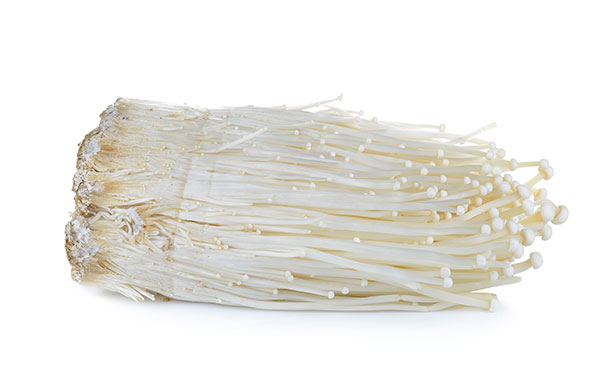
Regardless of how you choose to cook enoki mushrooms, the first step is to cut away the bottom part where the mushrooms all clump together. As you can see in the image below, this tough bottom part is on the left:
While it is possible to eat the bottom part, it is more fibrous and tougher, so it is very chewy. For this reason, it is a good idea to cut the bottom clump off and then separate all the different mushroom strings.
Boiling
One of the best things about enokitake is that, similar to rice, potatoes, and cauliflower, they are great at absorbing flavors from dishes.
Many Asian soups and hot pots contain enoki mushrooms, which add texture to the dish and absorb flavors.
However, since enoki mushrooms are so thin, they only need a short time to become fully tender and soft. Over-cooking them can lead to them developing a mushy texture.
Safety note: While overcooking enoki mushrooms can negatively impact their taste, it is important to ensure they are cooked thoroughly. This is due to potential Listeria contamination, as discussed in the downsides section.
Baking
Want to cook some meat, fish, or marinated tofu in the oven? Just prepare the mushrooms and lay them next to whatever is on the baking tray.
The enokis will go very soft and juicy and take on the flavor of whatever foods they’re close to.
Frying
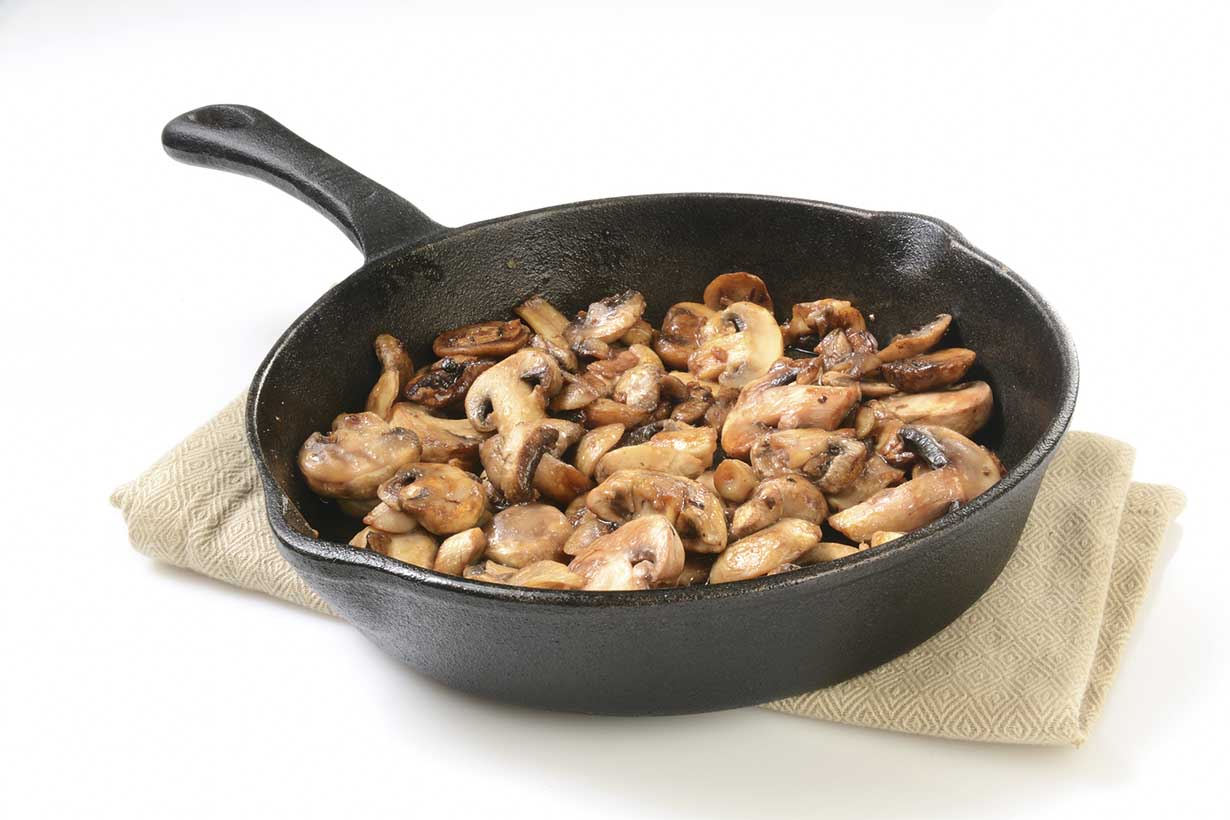
Frying enoki mushrooms is simple and only takes a few minutes.
As the mushrooms absorb flavors exceptionally well, here’s a good way to fry them:
Add some olive oil or any preferred oil to a skillet until it heats up.
Put the enoki mushrooms in and saute or stir-fry them, keeping them moving constantly so they don’t burn.
As the mushrooms soften, add some seasonings like soy sauce, sesame oil, black pepper, and mashed garlic to add some flavor.
Summary
Enoki mushrooms are versatile mushrooms that taste good and offer a broad range of essential nutrients.
Due to the lack of human research on enoki mushrooms, the existing research doesn’t justify strong claims of health benefits. While the mushrooms contain bioactive compounds like proflamin and ergothioneine, it is unclear whether they are in high enough doses to confer health benefits.
Michael works as a nutritionist in a community setting and holds a Master's degree in Clinical Nutrition. He is a Registered Associate Nutritionist (ANutr) with the Association for Nutrition (AfN), and has published peer-reviewed research.