17 Healthy Root Vegetables and Their Key Nutrients

Root vegetables are edible plants that grow underground. Some of the most common examples of these vegetables include carrots, parsnips, and turnips.

Beyond their versatility in the kitchen, root vegetables typically offer a broad range of essential vitamins and minerals. This article lists seventeen healthy root vegetables alongside their picture, calorie and fiber content, key vitamin or mineral, and potential nutritional benefits.

The source of all nutritional data is the USDA’s FoodData Central database, and percent daily values (% DV) have been calculated using the FDA’s published daily values. Cooked weights are used where available.

1) Beets

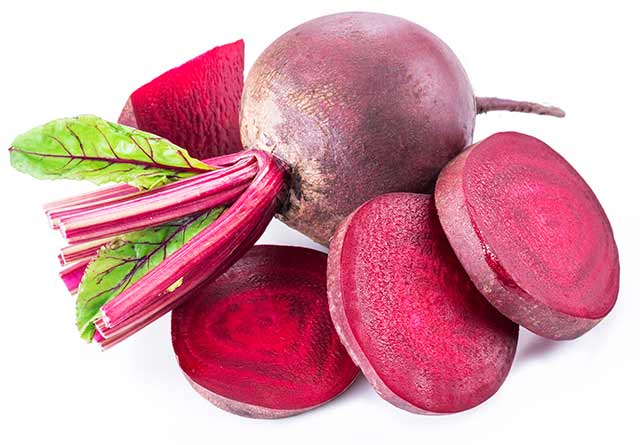
Whole Beets and Slices of Beetroot.

Beets have a distinct reddish-purple color and contain interesting compounds such as betalains and nitrate, with the latter linked to benefits for exercise performance.

Interestingly, some types of beets are not the typical red color. For example, golden beets have a golden-yellow color due to yellow-pigmented compounds they contain called vulgaxanthins.

Key nutritional values per two cooked beets, weighing approximately 100g:

  • Calories: 44 kcal
  • Carbohydrate: 9.96 g
  • Fiber: 2.0 g
  • Folate: 80 mcg (20% of the daily value (% DV))

Source: USDA – Beets, boiled, drained

Learn more about beets: Beets: Nutrition Facts and Evidence-Based Potential Benefits

2) Carrots

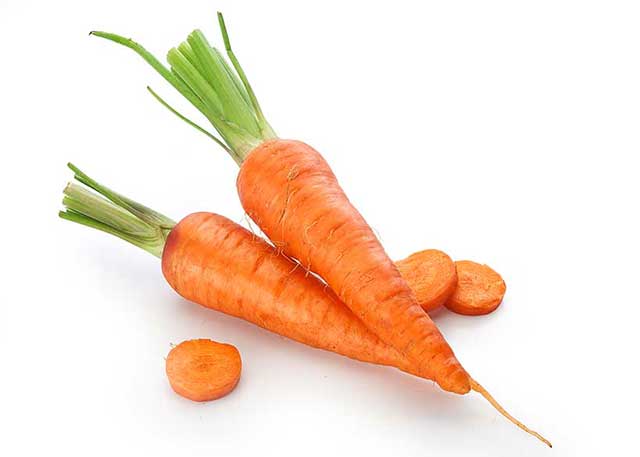
Two Whole Carrots and Carrot Slices.

Carrots are typically an orange root vegetable, and they are exceptionally high in provitamin A carotenoids (like beta-carotene). They also contain other carotenoids, such as lutein and zeaxanthin, that may help support healthy vision.

However, not all carrots are orange, and you can also find them in colors ranging from red and purple to white and even black.

Key nutritional values per cooked 60g carrot:

  • Calories: 30 kcal
  • Carbohydrate: 6.4 g
  • Fiber: 1.92 g
  • Vitamin A, RAE: 494 mcg (55% DV)

Source: USDA – Carrots, cooked, no added fat

Learn more: 5 Benefits of Carrots (and Full Nutrition Facts)

3) Daikon Radish

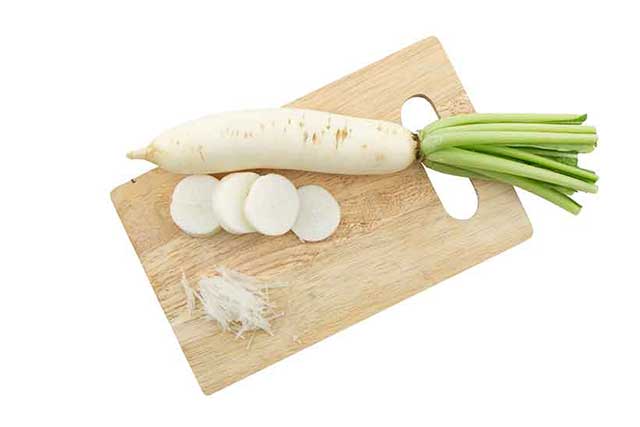
A Whole Daikon Radish and Slices On a Wooden Board.

While not as globally common as root vegetables like carrots and potatoes, it is a staple food in Chinese, Korean and Japanese cuisine, where it is consumed both fresh and fermented.

If you can’t find it in your usual grocery store, shops specializing in East Asian cuisine should stock it.

Key nutritional values of raw daikon radish per 115g cup:

  • Calories: 18 kcal
  • Carbohydrate: 3.91 g
  • Fiber: 1.84 g
  • Vitamin C: 17 mg (19% DV)

Source: USDA – Radish (note: While this USDA entry is for daikon radish, as confirmed in the USDA’s ‘other information‘ tab. The USDA does not have nutritional data for cooked daikon radish).

Learn more: 5 Benefits of Daikon Radish (and Full Nutritional Values)

4) Lotus Root

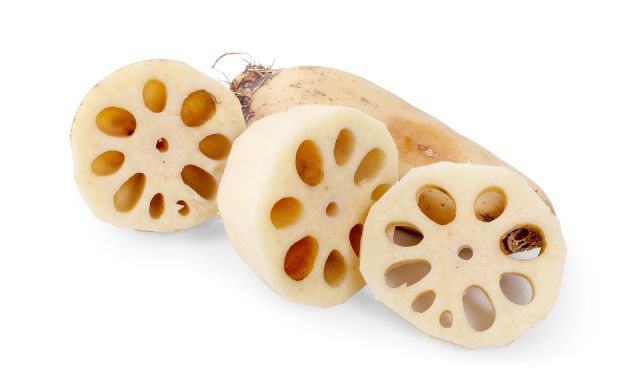
Chopped lotus root pieces.

Lotus root is another root vegetable that primarily enjoys popularity in East Asia.

It has a crunchy texture that progressively softens with a longer cooking time. Since lotus root has a mild flavor, it is often marinated or used in dishes where it can absorb flavors, such as soups, stews and stir-fries.

Key nutritional values per 125g cup of cooked lotus root:

  • Calories: 109 kcal
  • Carbohydrate: 19.4 g
  • Fiber: 3.75 g
  • Vitamin C: 27.40 mg (30% DV)

Source: USDA – Lotus root, cooked

Learn more: 5 Benefits of Lotus Root (and Nutrition Facts)

5) Garlic

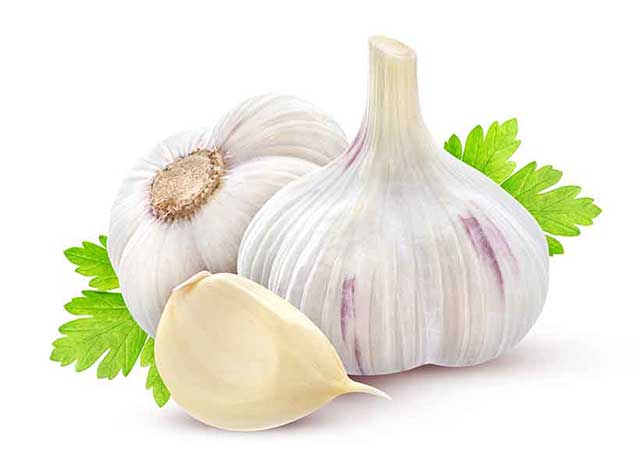
A Whole Garlic Bulb and a Single Clove.

Garlic is an extremely flavorful root vegetable belonging to the allium family, which also includes onions and chives.

It plays a prominent role in world cuisine, used in everything from Indian curries and Italian pasta to garlic bread, kimchi, and more.

Key nutritional values per 4 cooked cloves (12g) of garlic:

  • Calories: 17 kcal
  • Carbohydrate: 3.36 g
  • Fiber: 0.32 g
  • Vitamin B6: 0.14 mg (8% DV)

Source: USDA – Garlic, cooked

Garlic may also have some potential health benefits. For example, a 2025 meta-analysis and systematic review of randomized controlled trials found that garlic may help to reduce blood pressure in certain populations. These included older adults, people with obesity, and those with high diastolic blood pressure.

6) Red Onion

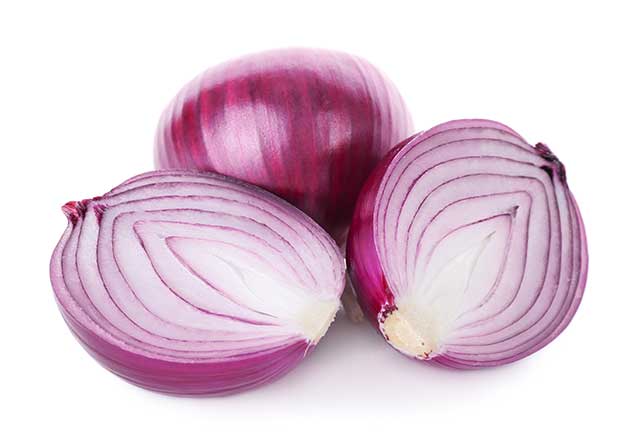
A Whole Red Onion and Slices.

Red onions are a little less common than yellow onions, and they have a red–purple pigment due to their anthocyanin content.

They are a common ingredient used raw in salads, where their peppery taste works well. Red onions are also commonly used in stir-fries.

Key nutritional values per 85g of raw red onion (about 1 small-to-medium onion):

  • Calories: 37 kcal
  • Carbohydrate: 8.44 g
  • Fiber: 1.87 g
  • Copper: 0.05 mg (5% DV)

Source: USDA – Onions, red, raw

7) Yellow Onion

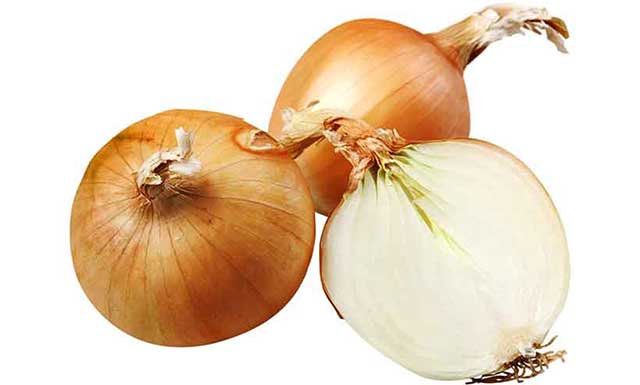
A Whole Yellow Onion and Onion Halves.

Yellow onions are commonly referred to just as onions.

Like the red variety, they can be consumed cooked or raw, and they feature in a broad range of dishes for their flavor–enhancing properties.

Key nutritional values of a 60g cooked onion:

  • Calories: 26 kcal
  • Carbohydrates: 6.12 g
  • Fiber: 0.84 g
  • Vitamin C: 3.12 mg (3% DV)

Source: USDA – Onions, boiled

8) Jicama

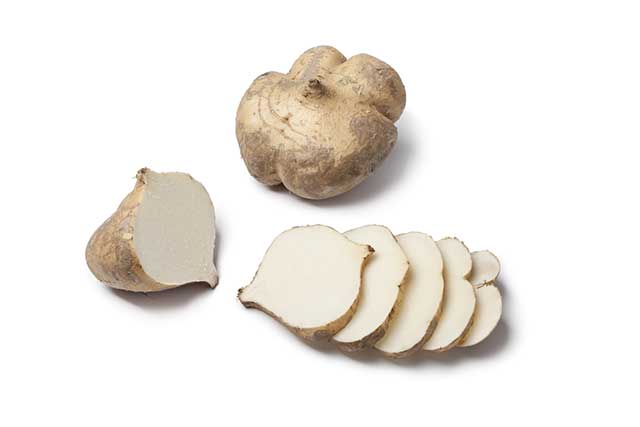
Whole and Sliced Jicama Root Vegetable.

Also known by the names ‘Mexican yam bean’ and ‘Mexican turnip,’ jicama is an edible root vegetable that is particularly popular in Mexico.

It has a crunchy texture and works well both raw (salads) and cooked (stir-fries).

Key nutritional values per 130g cup of raw jicama

  • Calories: 49 kcal
  • Carbohydrate: 11.5 g
  • Fiber: 6.37 g
  • Vitamin C: 26.3 mg (29% DV)

Source: USDA – Yambean (jicama), raw (Note: The USDA did not have fiber data for cooked jicama, so we used the raw USDA entry. Fiber is retained throughout the cooking process.)

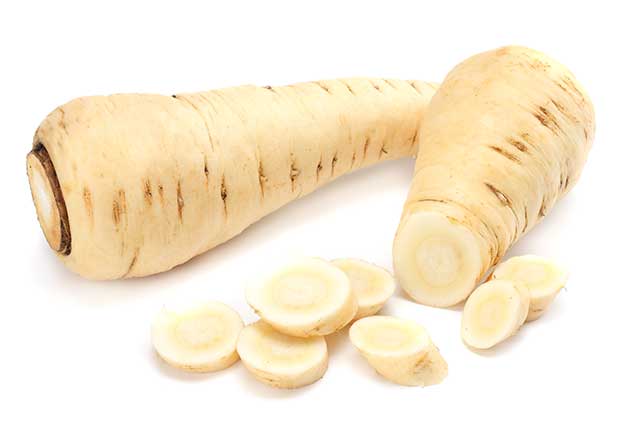
9) Parsnip

A Whole Parsnip and Parsnip Slices.

Parsnips are among the more common root vegetables and they have a mildly sweet and nutty flavor.

While they may look like white carrots, both their flavor and nutritional properties are quite distinctive.

Parsnips are highly versatile and they can be boiled, mashed, roasted, steamed, or used to make chips and soups.

Key nutritional values of a long 160g parsnip:

  • Calories: 114 kcal
  • Carbohydrate: 27.2 g
  • Fiber: 5.76 g
  • Copper: 0.22 mg (24% DV)

Source: USDA – Parsnips, boiled

Learn more: Parsnips: Nutrition Facts and Benefits

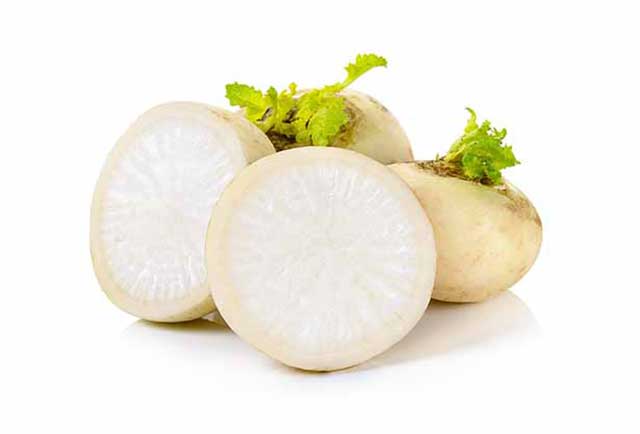
10) Turnip

Whole and Half Turnips On a White Background.

Turnips are small, round root vegetables with a creamy white-to-yellow color.

However, distinctive varieties of turnips grow globally, with some having a purple pigment.

Tip: Turnips can have a slightly bitter flavor when they’re harvested early. Longer cooker times can help to reduce these bitter notes.

Key nutritional values per 230g cup of cooked, mashed turnip:

  • Calories: 51 kcal
  • Carbohydrate: 11.6 g
  • Fiber: 4.6 g
  • Vitamin C: 26.68 mg (30% DV)

Source: USDA – Turnips, boiled

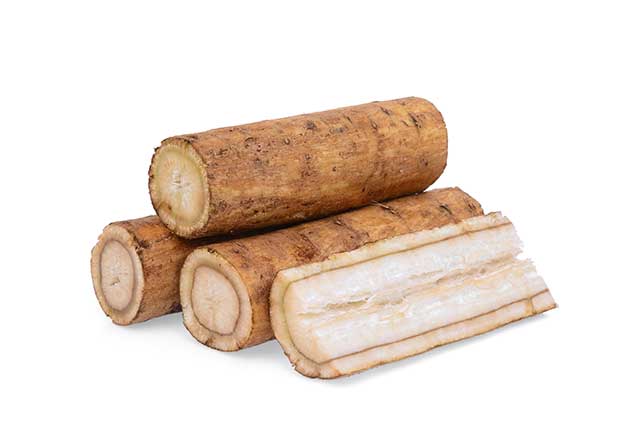
11) Burdock Root

Whole and Half Burdock Root Vegetables.

Burdock root is a lesser-known root vegetable that grows throughout North Asia and Europe.

It has crunchy texture and is popular in East Asian cuisine, where it is often consumed stir-fried as a side dish or in soups and stews.

In addition to its use as a vegetable, burdock root tea products are available, which have a mild, earthy flavor.

Key nutritional values per 125g cup of cooked burdock root:

  • Calories: 110 kcal
  • Carbohydrate: 26.5 g
  • Fiber: 2.25 g
  • Vitamin B6: 0.35 mg (21% DV)

Source: USDA – Burdock root, boiled

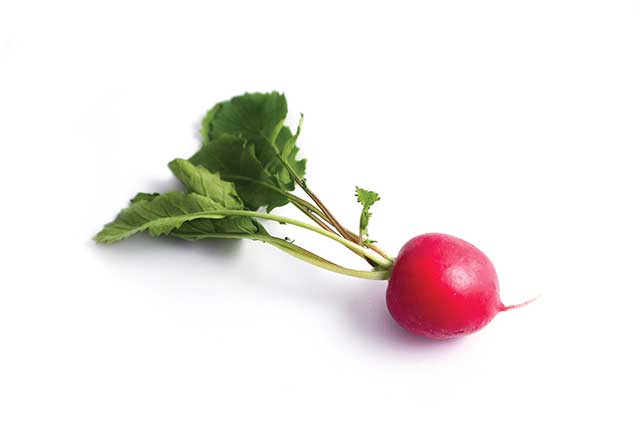
12) Radish

A Whole Radish Still Attached To Green Radish Leaves.

In contrast to the East-Asian daikon radish, the common radish is much smaller and has colorful shades of red, pink, and purple.

Radishes have a spicy and peppery taste, which comes from their glucosinolate and isothiocyanate content. Isothiocyanates are a type of bioactive compound known as phytonutrients.

They’re low in calories and make a flavorful addition to salads.

Key nutritional values per 1/2 cup (58g) of raw radish slices:

  • Calories: 9 kcal
  • Carbohydrate: 1.97 g
  • Fiber: 0.93 g
  • Vitamin C: 8.58 mg (10% DV)

Source: USDA – Radishes, raw

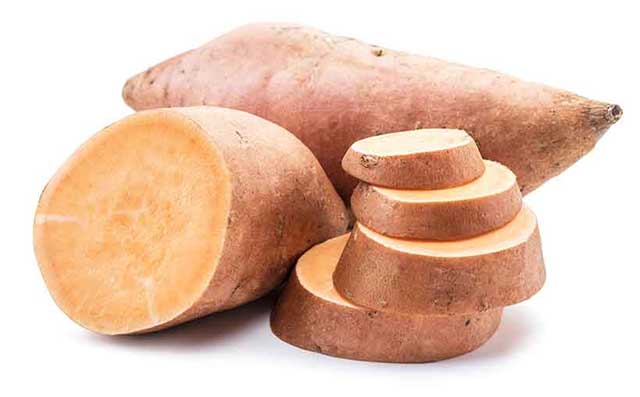
13) Sweet Potato

A Whole Sweet Potato, Half, and Slices.

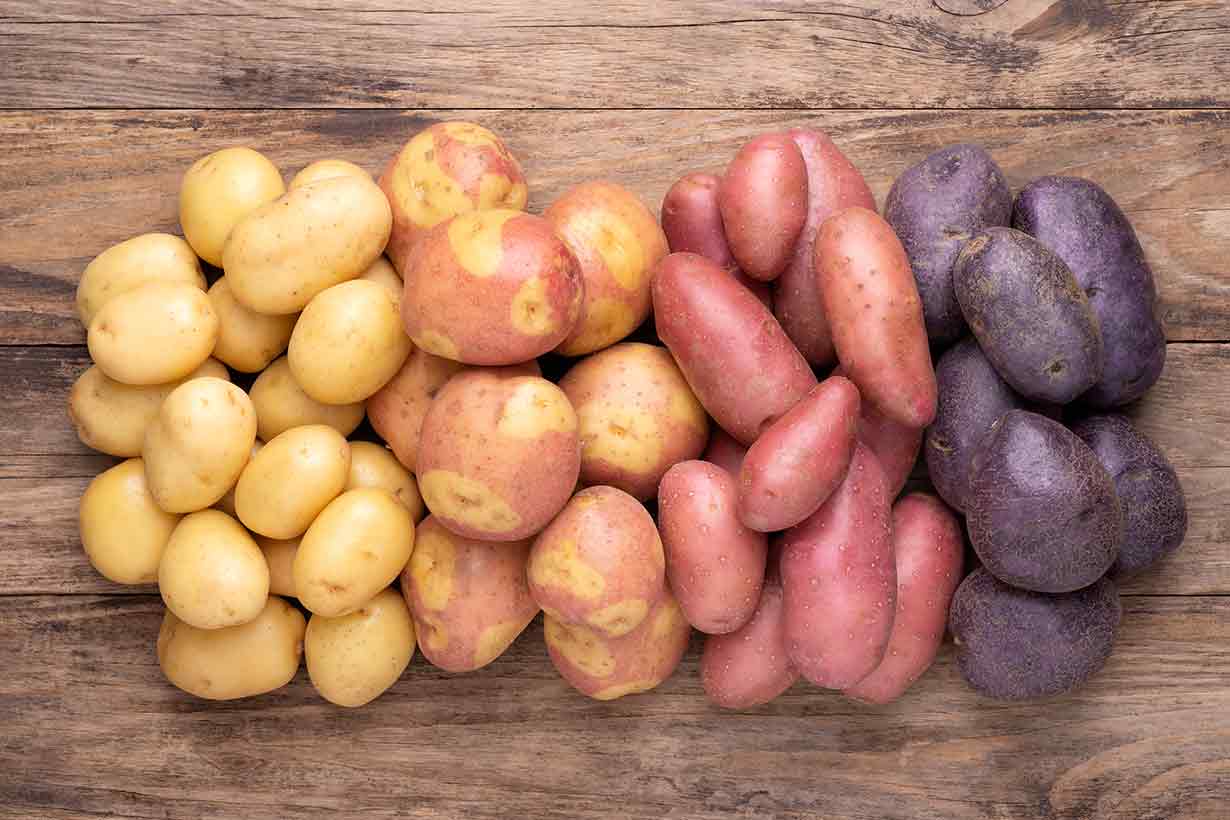
Sweet potatoes are an underground tuber with a sweet taste. Like regular potatoes, they are highly versatile and can be prepared by boiling, frying, mashing, roasting, or steaming.

Like carrots, sweet potatoes are a significant source of carotenoids like beta-carotene. Beta-carotene is fat-soluble, so eating sweet potatoes alongside a source of fat helps to increase vitamin A absorption.

Key nutritional values of a large (180g) baked sweet potato:

  • Calories: 162 kcal
  • Carbohydrate: 37.3 g
  • Fiber: 5.94 g
  • Vitamin A, RAE: 1730 mcg (192% DV)

Source: USDA – Sweet potato, baked in skin

Learn more: Sweet Potatoes: Nutrition Facts and Health Benefits

Purple sweet potatoes: Purple Sweet Potatoes: Nutrition Facts and Benefits

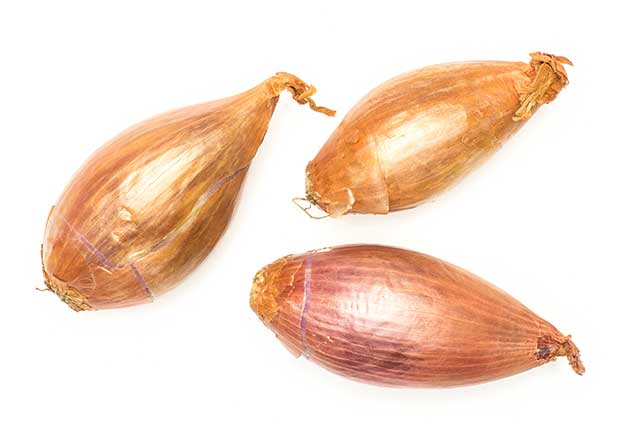
14) Shallot

Three Unpeeled Whole Shallots.

Shallots are an underground edible bulb and share characteristics with other allium family members like onions and garlic.

However, they are prized for their sweeter, milder flavor notes, and tend to be the preferred choice for chefs.

Key nutritional values per 3.5 oz (100g) of raw shallots:

  • Calories: 72 kcal
  • Carbohydrate: 16.8 g
  • Fiber: 3.2 g
  • Vitamin B6: 0.35 mg (21% DV)

Source: USDA – Shallots, raw

Learn more: What Are Shallots?

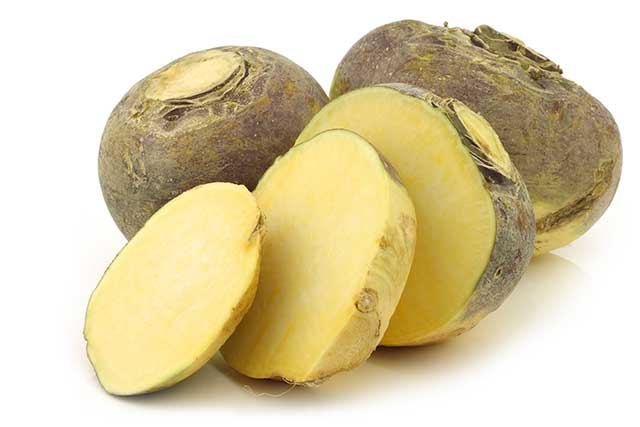
15) Rutabaga

A Whole Rutabaga (Swede) With Some Large Slices.

Rutabaga is a turnip-like root vegetable also known as swede, and it is a hybrid cross of turnips and cabbages.

It shares some similarities to turnip but has a sweeter and milder flavor.

Key nutritional values per 240g cup of mashed rutabaga:

  • Calories: 72 kcal
  • Carbohydrate: 16.4 g
  • Fiber: 4.32 g
  • Vitamin C: 45.12 mg (50% DV)

Source: USDA – Rutabaga, cooked

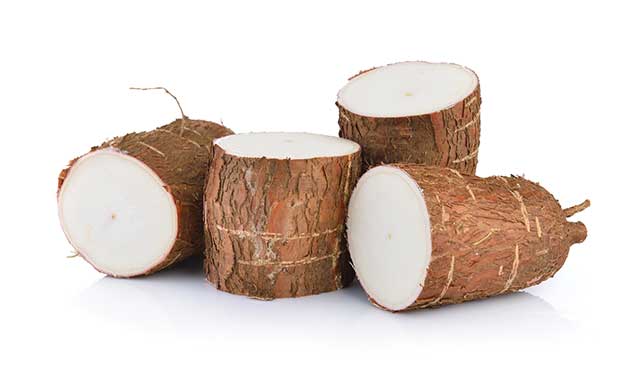
16) Cassava Root

Raw and Fresh Chopped Cassava Root Pieces.

Cassava is a tuber root vegetable with a mildly sweet and nutty flavor once properly cooked. Like other roots, it is quite versatile and can be roasted, boiled, mashed, and prepared in many different ways.

Notably, the cassava root is also used to make tapioca.

It is worth noting that cassava should be thoroughly cooked before consumption. This is because raw cassava contains toxic cyanogenic glycosides, such as linamarin.

Key nutritional values per 160g cup of cooked cassava:

  • Calories: 306 kcal
  • Carbohydrate: 63.4 g
  • Fiber: 3.04 g
  • Vitamin C: 84.05 mg (93% DV)

Source: USDA – Cassava, cooked

17) Ginger

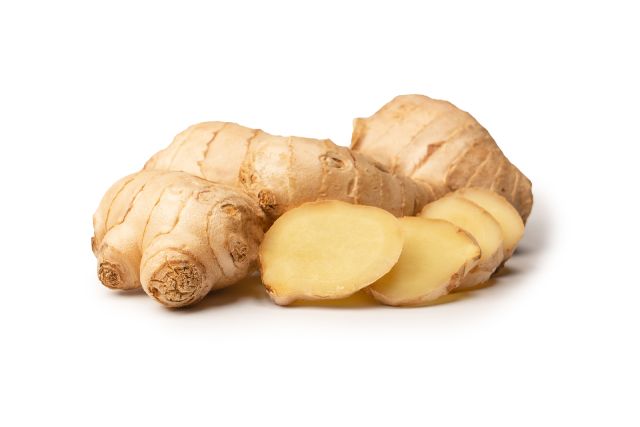
Ginger root tuber on a white background.

Ginger root has a unique appearance and a very distinctive warm and peppery flavor.

It’s most often used as a spice, adding warm, slightly spicy, and earthy notes to food. Ginger is also a very versatile spice, featuring in foods as diverse as curries, kimchi, and even cakes and cookies.

A 2020 systematic review looked at the effect of ginger on health across 109 studies. This review found that ginger may have several beneficial effects, which included supporting digestive function. However, many of the included studies were small in size, and further research is necessary to provide greater confidence.

Key nutritional values per 5-slice (11g) serving of raw ginger:

  • Calories: 9 kcal
  • Carbohydrate: 1.96 g
  • Fiber: 0.22 g
  • Copper: 0.03 g (3% DV)

Source: USDA – Ginger root, raw

Summary

Root vegetables typically offer versatile properties and are suitable for a broad range of culinary preparations.

Nutritionally, root vegetables are an excellent way to increase dietary fiber intake, and they typically provide a good concentration of vitamins and minerals.

For more on vegetables, see this guide to the nutritional values of potatoes.

Michael Joseph Hartley, MSc, ANutr, Nutritionist.

Michael Joseph, MSc, ANutr

Michael works as a nutritionist in a community setting and holds a Master's degree in Clinical Nutrition. He is a Registered Associate Nutritionist (ANutr) with the Association for Nutrition (AfN), and has published peer-reviewed research.