Are you looking for some high-protein snacks that you can take with you when you’re on the go?
This guide presents 32 high-protein snacks that are both portable and convenient, providing you with ready-to-eat protein options when you’re out and about.
For each food, you can see the amount of protein the stated serving provides. We have also calculated the percent daily value (% DV) for each option.
The daily value for protein is set at 50 grams by the U.S. Food and Drug Administration (FDA) based on a 2000-calorie diet.
The FDA classifies food as “high in protein” if it contains at least 20% of the daily value per serving.
Based on this, all the high-protein snacks in this article provide at least 10 grams of protein per serving. Many provide significantly higher amounts.
Note: Many people may benefit from increased protein intake comparative to the daily value. The latest 2025–2030 Dietary Guidelines for Americans have also increased the recommended daily protein intake to 1.2–1.6 grams of protein per kilogram of body weight.
1) Low-fat yogurt
- Protein: 12.9g per 245g cup (26% DV)
- Source: USDA – Yogurt, plain, low fat
A 245-gram cup of low-fat yogurt provides 12.9 grams of protein.
Why low-fat? Because the lower amount of fat leaves more room for extra protein.
For a more-rounded nutrient mix, you could mix in some of your favorite nuts and berries.
2) Can of Light Tuna
- Protein: 32g per 165g can (64% DV)
- Source: USDA – Fish, tuna, light, canned in water
A 165-gram can of light tuna provides a significant 32 grams of protein.
To make it into more of a meal, you could also mix it with some leafy greens and cherry tomatoes to make a base for a salad.
Tuna is also one of the best low-calorie protein sources.
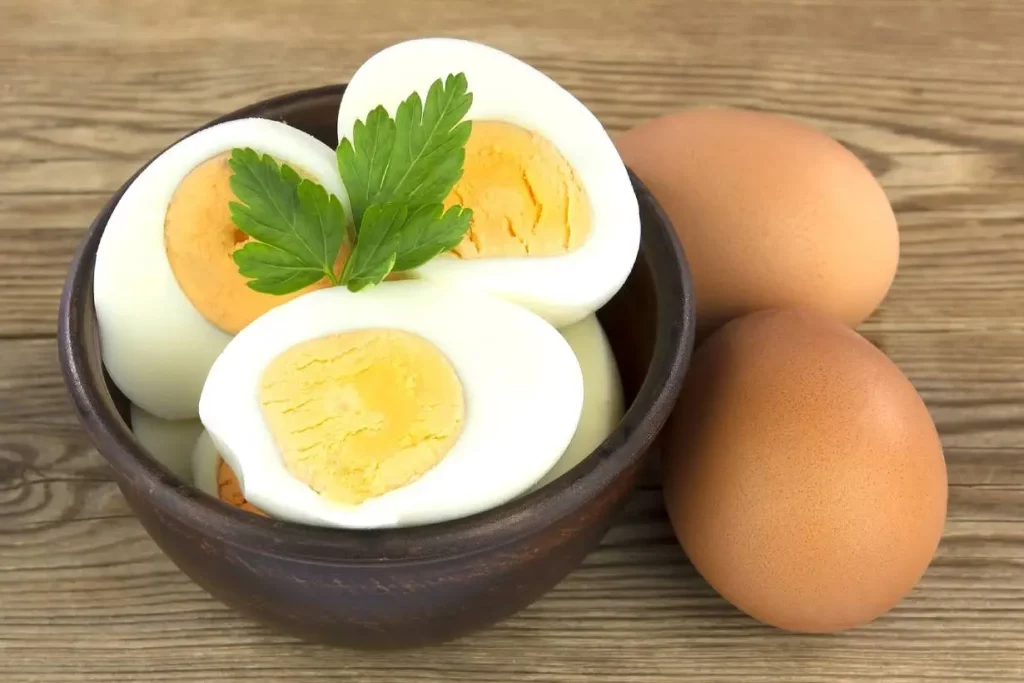
3) Hard-boiled Eggs
- Protein: 12.6g per two 50g hard-boiled eggs (25% DV)
- Source: USDA – Egg, whole, cooked, hard-boiled
Whether you buy them ready-to-eat from a store or make them at home, hard-boiled eggs are a convenient way to eat eggs on the go.
Each large (50g) egg provides around 6.3 grams of protein, so a serving of two offers 12.6 grams.
4) Roasted Chickpeas
- Protein: 10.0g per 2oz (56g) serving (20% DV)
- Source: USDA – Pulse, Roasted Chickpeas
Roasted chickpeas provide a good amount of protein for those looking for plant-based snacks.
They are easy enough to make at home or you can buy them ready-roasted.
A two-ounce (56-gram) serving contains just over 10 grams of protein.
5) Protein Bar
- Protein: 21g per 60g Quest bar (42% DV)
- Source: USDA – Protein bar, cookies & cream
Protein bars are one of the most convenient sources of protein. Just throw one in your bag and you can take it anywhere without having to worry about refrigeration.
These bars tend to use whey, pea, or soy protein as their protein source and typically 10–30g of protein per bar.
For example, a 60-gram ‘Cookies & Cream’ Quest bar contains 21 grams of protein.
6) Turkey Jerky
- Protein: 11g per oz (28g) serving (22% DV)
- Source: USDA – Turkey jerky
While all turkey is high in protein, turkey jerky has even higher proportional amounts due to its lower moisture content. This also makes it a more convenient snack that doesn’t require refrigeration (unless opened).
Turkey jerky has approximately 11 grams of protein per ounce.
Note: Some jerky products can be relatively high in added salt, so check the labels carefully if following a low-sodium diet.
7) Rye Bread With Peanut Butter
- Protein: 12.0g protein per serving
- Source: USDA – Bread, rye, toasted and Peanut butter, chunky
Combining a thick slice of toasted rye bread with two tablespoons of peanut butter gets you about 12 grams of protein.
This plant-based snack also provides high levels of dietary fiber, and monounsaturated fat. It’s certainly a healthier swap for snacks like white bread and Nutella.
8) Canned Mackerel
- Protein: 17.4g per 75g standard can
- Source: USDA – Fish, mackerel, canned
Canned mackerel is another protein-rich fish that offers convenience and portability.
A small, standard 75-gram of canned mackerel provides 17.4 grams of protein.
Alongside its impressive protein provision, mackerel is one of the richest sources of omega-3 fatty acids.
9) Peanuts
- Protein: 11.9g per 1.5oz (42.5g) serving
- Source: USDA – Peanuts, roasted, unsalted
For those who prefer plant-based snacks, peanuts are one of the most protein-rich options. A 1.5-ounce (42.5g) serving, which is a large handful, provides 11.9 grams.
Either eat them alone or combine them with foods like dried fruits, seeds, and dark chocolate chunks to make a trail mix.
10) Biltong
- Protein: 31.0g per 57g packet
- Source: USDA – Traditional biltong
Biltong is a popular meat-based dried snack originating from South Africa.
Due to the air-drying process it undergoes, biltong is very protein-dense, providing 31 grams of protein per 57-gram packet.
11) Skyr
- Protein: 20.0g per 8oz (227g) container
- Source: USDA – Plain Skyr Icelandic Yogurt
Skyr is a thick dairy food similar to yogurt, but it provides even more protein per gram, with approximately 20 grams of protein in an 8-ounce (227g) container.
However, be aware that flavored varieties of Skyr may offer slightly less protein due to their additional ingredients like sugar and flavorings.
12) Tempeh
- Protein: 19.9g per 3.5oz (100g)
- Source: USDA – Tempeh, cooked
Tempeh is a plant-based protein that comes in bar-sized blocks, making it a convenient snack.
It’s also one of the most protein-rich plant-based foods, offering 19.9 per 3.5-ounce (100g) serving.
13) Protein Shake
- Protein: 25g per 1/3 cup (32g) scoop
- Source: USDA – Beverages, protein powder whey based
Getting a large dose of protein in a convenient shake is something that many people do to increase their intake.
A shake made with 32g of whey protein typically provides around 25 grams of protein.
Note: For those don’t consume dairy, most concentrated protein powders will offer a similar level of protein. Common options include products based on hemp, pea, or soy protein.
14) Protein Granola
- Protein: 10g per 50g 1/2 cup serving
- Source: USDA: Protein granola with dark chocolate (POST)
For those who like granola, protein granola is a protein-enriched variety that you can easily carry with you.
A 50-gram half-cup serving of Post’s ‘Protein Granola With Dark Chocolate’ supplies 10 grams of protein. Pair that with a cup of milk and you’ll get close to 20 grams of protein from the combination.
15) Kefir
- Protein: 10g per 240-ml cup serving
- Source: USDA – Plain kefir
Kefir is a fermented milk drink with that’s relatively high in protein – it offers around 10 grams of protein per 240-ml cup.
Like most dairy products, it is also an excellent source of calcium.
For those who aren’t familiar with kefir, you can think of it a bit like a drinkable yogurt.
16) Canned Sardines
- Protein: 18.5g per 75g standard can
- Source: USDA – Fish, sardines, canned
Sardines are another common fish option available to buy in small cans.
A 75-gram can of sardines offers 18.4 grams of protein as well as high amounts of omega-3 fatty acids.
17) Roasted Pumpkin Seeds
- Protein: 12.7g per 1.5oz (42.5g)
- Source: USDA – Seeds, pumpkin and squash seed kernels, roasted
While they’re not as common as nuts, roasted pumpkin seeds offer a crunchy, flavorful and protein-rich snack.
A 1.5oz (42.5g) serving offers 12.7g protein and they can be eaten plain, lightly seasoned, or mixed into a salad.
18) Dried Squid
- Protein: 18g per 25g serving
- Source: USDA – Dried squid
Dried squid is also known as squid jerky, and it’s a protein-rich snack offering a substantial 18 grams per 25g portion.
It’s portable, has a long shelf-life, and it comes in packets that are easy to eat on the go.
19) Cottage Cheese
- Protein: 24.9g per 226g cup
- Source: USDA – Cheese, cottage, low fat
Cottage cheese is a popular dairy product made from milk curds after their separation from whey. Low-fat varieties offer the highest protein content due to their lower proportion of fat.
A 226-gram cup of low-fat cottage cheese contains 24.9 grams of protein.
Safety note: While cottage cheese is quite portable, remember that it’s a fresh dairy product. As such, it requires refrigeration if you don’t intend to eat it relatively soon, especially if temperatures are high. The United States Dairy Council recommends leaving cheese out for a maximum of two hours at room temperature. This recommendation falls to one hour at temperatures above 90°F (32°C).
Tip: Some people enjoy cottage cheese mixed with fruit. Try mixing it with berries or pineapple for extra flavor as well as some vitamin C and polyphenols.
20) Protein Plant-Based Yogurt
- Protein: 15g per 150g container
- Source: USDA – Plain unsweetened Greek style plant-based yogurt
For those who prefer plant-based options, it’s easy to find several plant-based protein yogurts these days.
For example, a plain unsweetened ‘Greek style’ yogurt made from almond milk and soy protein provides 15 grams of protein per 150-gram container.
21) Beef Jerky
- Protein: 10g per 30g serving
- Source: USDA – Beef jerky
Beef jerky is another portable, protein-rich snack that typically offers 10 grams of protein per 30-gram serving.
Since jerky is primarily dried beef, it also provides a good range of B vitamins, iron, vitamin B12, and zinc. However, it can be high in sodium due to added salt and seasoning blends.
22) Roasted Edamame
- Protein: 13g per 1/4 cup (30g) serving
- Source: USDA – Roasted edamame
Roasted edamame (roasted immature soybeans) is a plant-based snack that offers 13 grams of protein per quarter-cup (30g) serving.
It can be eaten alone, mixed with nuts and fruit in a trail mix, or added to a salad.
23) Rotisserie Chicken
- Protein: 23.8g per 3oz (85g) serving
- Source: USDA – Chicken, broiler, rotisserie, BBQ, breast
If you’re near a store selling rotisserie chicken, it can be a simple protein-rich snack.
Even a small a three-ounce (85g) serving of chicken rotisserie meat provides around 23.8 grams of protein.
24) Protein Cookies
- Protein: 15g per 63g cookie
- Source: USDA – Protein cookie, oatmeal raisin
Cookies are among the most popular snacks, but did you know that protein cookies exist?
These cookies tend to lack the high sugar levels of regular cookies while also being enhanced with protein.
For example, an oatmeal raisin protein cookie made by Quest Nutrition provides 15 grams of protein per 63-gram cookie.
However, these products are generally not as healthy as lesser processed snacks. One reason is that they tend to contain relatively high amounts of added fats and sodium.
25) Tuna Jerky
- Protein: 14g per 1.5oz (42.5g) serving
- Source: USDA – Caribbean jerk ahi tuna jerky strip
Most people have heard of beef jerky, but that is much less the case for tuna jerky. But these products are available in a broad range of flavors and offer a convenient protein source.
A 1.5-ounce (42.5-gram) serving provides approximately 14 grams of protein.
26) Fat-Free Cheese
- Protein: 13.5g per 2 slices (42g) of fat-free cheese
- Source: USDA – Cheese, Cheddar, nonfat
Fat-free cheese is among the highest-protein cheese options due to its high protein-to-fat ratio.
Just two slices (42g) of fat-free Cheddar cheese offer 13.5g protein.
As with all cheese, this snack provides a good amount of calcium too.
27) Meal Replacement Drink
- Protein: 19.4g protein per 295g bottle
- Source: USDA – Beverages, SLIMFAST, Meal replacement
Meal replacement drinks can be an excellent snack option when you’re running short of time. They are similar to protein shakes in their protein provision, yet typically provide fiber, some fat, and vitamins and minerals too.
For example, Slimfast’s high-protein, meal replacement shake contains 19.4 grams per 295-gram bottle. However, the protein content can vary and these products typically provide somewhere in the range of 15-40 grams.
As with other fresh dairy products, these meal replacement drinks typically require refrigeration.
28) Protein Pudding
- Protein: 10g per 100g container
- Source: USDA – Chocolate protein pudding
Protein puddings are typically made using dairy or soy proteins, and they provide a protein-enriched, pudding-like snack.
For instance, Reina’s chocolate protein pudding offers 10 grams of protein per 100-gram container.
Many grocery stores have their own branded protein puddings, typically containing between 10-25 grams of protein per serving.
29) Sliced Deli Turkey
- Protein: 12.2g per 2 slices (56g)
- Source: USDA – Turkey breast, low salt, prepackaged
Sliced deli turkey offers can be a convenient snack eaten alone, added to salads, or used in sandwiches
Two 28-gram slices provide 12.2 grams of protein.
Note: The USDA recommends not leaving deli meats at room temperature for over 2 hours (or 1 hour at temperatures over 90°F (32°C)).
30) Protein Chips
- Protein: 23g per 32g bag
- Source: USDA – Protein chips
There are several different protein chip options, and the absolute protein content may vary. However, USDA data shows that Quest protein chips provide 23 grams of protein per 32-gram bag (33).
This makes protein chips a simple way to increase protein intake as a like-for-like alternative for those who enjoy eating chips.
31) Baked Tofu
- Protein: 13g per 3oz (85g) serving
- Source: USDA – Baked tofu
You can make baked tofu at home or buy it in a convenient ready-to-eat pack from most large grocery retailers.
A three-ounce (85-gram) serving of baked tofu provides approximately 13 grams of protein.
In addition to being high in protein, tofu set with calcium is also an excellent way to increase calcium intake.
32) Protein Smoothie
- Protein: 15.9g per 216g cup
- Source: USDA – Fruit smoothie, with whole fruit and dairy
Protein smoothies are easy to make or they can be bought in a ready-to-drink bottle.
The absolute protein content will vary depending on product and the ingredients used. However, the USDA lists a dairy and fruit-based smoothie as providing 15.9 grams of protein per 216g cup.
Tips on High-Protein Snacking
As stated in the introduction, all the high-protein snacks listed in this guide offer at least 10 grams of protein per serving.
However, if you want to ensure a higher protein intake from these snacks, then it’s also easy to combine them to increase the overall protein intake.
For example, here are some combinations you could try:
- Rotisserie chicken (23.8g protein) with roasted edamame (10g protein) provides a total protein content of 33.8 grams. Combine them with a salad for more beneficial nutrients.
- Baked tofu (14g protein) with a protein smoothie (15.9g protein) offers an overall 29.9 grams of protein.
- Two hard-boiled eggs (12.6g protein) consumed alongside an apple and a protein shake (25g protein) provides 37.6 grams of protein in total.
Snack Ranking Table By Protein Content
To help you understand how the protein content of all the snacks featured in this guide compare, here’s an at-a-glance ranking table.
In the table, you can see all the snacks ranked in order of their protein content per serving.
| Rank | Snack | Serving size | Protein content |
|---|---|---|---|
| 1 | Canned tuna | 165g | 32g |
| 2 | Biltong | 57g packet | 31g |
| 3 | Protein shake | 32g scoop | 25g |
| 4 | Cottage cheese | 226g cup | 24.9g |
| 5 | Rotisserie chicken | 3oz (85g) | 23.8g |
| 6 | Protein chips (Quest) | 32g bag | 23g |
| 7 | Protein bar (Quest) | 60g bar | 21g |
| 8 | Skyr | 227g container | 20g |
| 9 | Tempeh | 3.5oz (100g) | 19.9g |
| 10 | Meal replacement drink | 295g bottle | 19.4g |
| 11 | Canned sardines | 75g can | 18.5g |
| 12 | Dried squid | 25g serving | 18g |
| 13 | Canned mackerel | 75g can | 17.4g |
| 14 | Protein smoothie | 216g cup | 15.9g |
| 15 | Protein plant-based yogurt | 150g container | 15g |
| 16 | Protein cookie | 63g cookie | 15g |
| 17 | Tuna jerky | 1.5oz (42.5g) | 14g |
| 18 | Fat-free cheese | 2 slices (42g) | 13.5g |
| 19 | Baked tofu | 3oz (85g) | 13g |
| 20 | Roasted edamame | 1/4 cup (30g) | 13g |
| 21 | Low-fat yogurt | 245g cup | 12.9g |
| 22 | Roasted pumpkin seeds | 1.5oz (42.5g) | 12.7g |
| 23 | Hard-boiled eggs | 2 eggs (100g) | 12.6g |
| 24 | Deli turkey slices | 2 slices (56g) | 12.2g |
| 25 | Rye bread with peanut butter | 1 serving | 12g |
| 26 | Peanuts | 1.5oz (42.5g) | 11.9g |
| 27 | Turkey jerky | 1oz (28g) | 11g |
| 28 | Roasted chickpeas | 2oz (56g) | 10g |
| 29 | Protein pudding | 100g container | 10g |
| 30 | Protein granola | 1/2 cup (50g) | 10g |
| 31 | Kefir | 240 ml cup | 10g |
| 32 | Beef jerky | 30g serving | 10g |