
Low-carb diets have long been a dietary approach for weight management and blood sugar control.
Perhaps due to this, some people are turning to heavily marketed supplements that act as dietary carbohydrate blockers.
However, is it a good idea to try interfere with our natural digestive system, and do these products even work?
This guide takes a look at the evidence.
Table of contents
What Are Carb Blockers?
A carb blocker is a compound that affects the digestive process and causes a lower absorption of dietary carbohydrates.
Such products work by inhibiting the enzymes the body uses to digest carbohydrates, and their active ingredient is called white kidney bean extract (1).
White kidney bean extract is also known as Phaseolus vulgaris, and it is widely available in health stores and online.
For those who want to lose weight, but are perhaps not ready to make healthy dietary changes, carb blockers may seem appealing.
Key point: Carb blockers can inhibit the enzymes used to digest carbohydrate, thereby potentially lowering total carbohydrate absorption.
What is White Kidney Bean Extract?
First of all, white kidney bean extract is a type of alpha-amylase inhibitor.
This extract functions as a dietary carbohydrate blocker in the body. The claim is that it can inhibit amylase, which is a digestive enzyme responsible for digesting starch (2, 3).
The compound is extracted from legumes, of which white kidney bean (Phaseolus Vulgaris) is the most significant source.
The marketing of this carb blocker positions it as a natural weight loss aid.
Key point: White kidney bean extract blocks an enzyme called amylase from digesting starches. It is found and extracted from legumes.
How Do Carb Blockers Work?
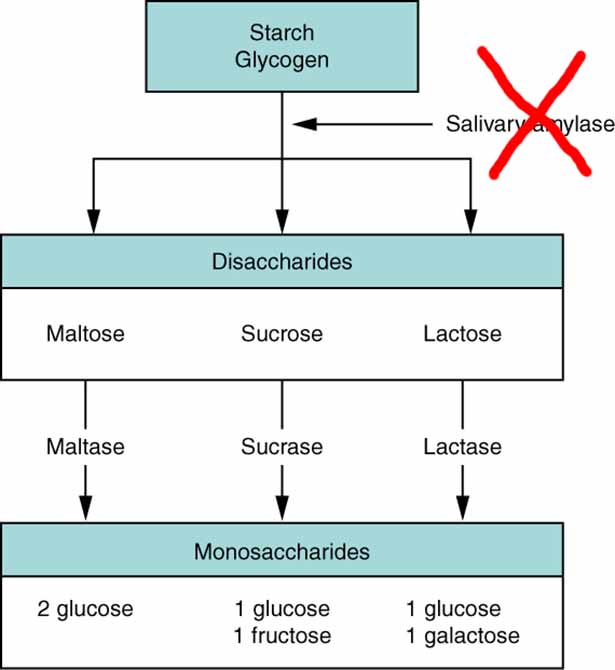
Carb blockers are amylase inhibitors.
If we restrict the amylase enzyme, our body is missing a key component it uses to break starch down into glucose.
Due to this process being inhibited, our body doesn’t absorb as much dietary starch. Instead, the starch should pass through the small intestine undigested — at least in theory.
This process has two results:
- We absorb less total calories from the meal.
- High carbohydrate foods will have a lesser impact on blood sugar levels.
A Carb Blocker Only Inhibits Complex Carbs
It’s important to realize that this inhibition of carbohydrate is only effective with what are known as ‘complex carbs.’
Complex carbs include grains, legumes, and vegetables. Here are some example foods that contain them:
- Barley
- Green vegetables
- Lentils and legumes
- Oats
- Pasta
- Potatoes and other tubers
- Rye
- Rice
- Wheat
A carb blocker will not have an effect on simple sugars since they are already broken down and require no amylase for their digestion (4).
Therefore, these products have no impact on naturally occurring sugars that are present in fruit juice and soda. That said, it would be better to opt for low-carb drinks rather than trying to “block” the sugars found in high-sugar drinks.
Additionally, they would be ineffective against sugars contained within candy, cakes, and snacks.
Key point: White kidney bean extract works by inhibiting the enzyme amylase, which prevents starch from being broken down into glucose and digested. However, it has no impact on simple sugars in the diet.
Do Carb Blockers Work For Weight Loss?
Some studies examined how effective white kidney bean extract is, and the results are very mixed.
In particular, a 2011 meta-analysis published in the British Journal of Nutrition closely analyzed six previous randomized controlled trials (RCTs) (5):
The results were inconclusive, and these were some of the findings:
- Supplementing with the extract resulted in statistically significant reductions in waist circumference in two studies. However, two other studies showed no such association.
- Using the supplement was deemed “generally safe,” although some users experienced gastrointestinal issues and other mild side effects.
- The authors noted that they could not rule out “serious adverse events” from long-term use of a carbohydrate inhibitor, stating that the safety profile needs more rigorous research.
- Overall, the meta-analysis found that current evidence is not sufficient to claim that white kidney bean extract results in positive weight changes.
Further Studies on Weight Loss
Several other studies look into the science of losing weight with carb blockers.
However, the bulk of the research shows white kidney bean extract to have an underwhelming efficacy.
In contrast, a couple of studies do show some potential positives of using a carb blocker, and they found that:
- Using white kidney bean extract results in significant decreases in body fat while retaining lean body mass (6).
- The compound may be an effective way to reduce the glycemic index of foods without changing their ingredient profile (7).
However, both of these studies were industry-funded, raising potential concerns of financial conflicts.
Specifically, Pharmachem Laboratories paid for the research–a company who manufacture and sell a carb blocker named ‘Phase 2’ (8).
Key point: The available evidence to support the effectiveness of carb blockers for weight loss is weak. It may also be financially conflicted.
Blood Sugar and Weight Loss Controversy
In February of 2016, a Belgian producer of a carb blocker based on white kidney bean extract submitted an application to the EU Nutrition and Health Claims Regulation (NCHR).
The company in question was Ectopharm BVBA, who wanted permission to use certain health claims for their ‘Fabenol® Max’ product.
This submission asserted that white kidney bean extract:
- Reduces post-prandial blood glucose responses (lowers blood sugar after eating)
- Helps with long-term maintenance of normal blood glucose regulations
- Decreases the absorption of carbohydrates
- Reduces body fat and overall weight
Significantly, the NHCR rejected the claims and released a statement saying (9):
- “The claims are not sufficiently defined.”
- “A cause and effect relationship cannot be established between the consumption of Fabenol Max and a beneficial psychological effect.“
- And that the applicant did not provide any further information when asked to expand on the carb blocker’s claimed effect.
Key point: The EU Nutrition and Health Claims Regulation rejected manufacturer claims that carb blockers help with blood sugar control and weight loss. They deemed there was insufficient evidence to support the claim.
Do Carb Blockers Have Side Effects?
While white kidney bean extract has ‘generally recognized as safe (GRAS) status‘ with the FDA, it doesn’t mean there are no risks.
Long-term Side Effects
Long-term side effects have not been investigated, so there may or may not be adverse risks over a longer period.
Overall, it’s hard to know what the long-term results of using a supplement to impede carbohydrate digestion might be.
And it’s certainly not natural to mess with our digestion in this way.
Short-term Side Effects
As previously mentioned, some studies show that users of starch blockers had digestive symptoms and mild side effects.
Although rare, these may include (10):
- Bloating
- Constipation
- Diarrhoea
- Flatulence
Key point: Long-term side effects remain unknown. Short-term symptoms are rare and typically involve mild gastrointestinal issues.
A Better Option: Dietary Change
The best ‘carb blocker’ is probably our lips.
This expression means that if you don’t want to digest as many carbohydrates, then it is better to reduce their intake rather than trying to “block” them with dietary supplements.
Based on the limited available evidence, behavioral and dietary changes appear to be the safest and most effective “carb blockers.”
Weight Loss Depends on Lifestyle — Not Dietary Supplements
It’s worth remembering that far too many people are continuously chasing instant weight loss through ever-changing diets.
But in truth, the only real way to lose weight and sustain that weight loss is to change your overall diet and lifestyle.
While this can be very challenging, here are some ways you can do that.
Nutrition
Firstly, if you don’t enjoy the food you’re eating, then the diet won’t be sustainable.
Choose a way of eating that works for you — one that fits your likes and personal and cultural preferences.
Primarily focus on nutrient-rich whole foods, and try to limit added fats and sugars.
If you don’t know where to start with nutrition, then work with a registered dietitian or nutritionist may be helpful if it is possible.
Sleep
Getting enough sleep every night helps your body recover, and it also has a significant impact on your metabolism.
For example, if you don’t get enough sleep then your body’s ability to manage blood glucose levels decreases (11, 12).
Also, short sleep durations have been linked to increased appetite due to raised levels of hunger hormones (13).
Final Thoughts
Based on the available evidence, we do not recommend carb blockers.
The main reasons for this are that the supportive science is weak, the long-term effects are unknown, and even if they do work, they would be masking the symptoms of a poor diet — which can have other negative effects in the long-term.
In short: if you’re considering using a carb blocker, then a fundamental focus on nutrition and overall lifestyle should be the priority.
Always consult your healthcare provider before starting any new supplement.
Lastly, for a more traditional (dietary) way to reduce carbohydrate intake, see this guide on how to cut carbs.
See this guide to vitamins and minerals on lower-carb diets to ensure sufficient micronutrient intake.