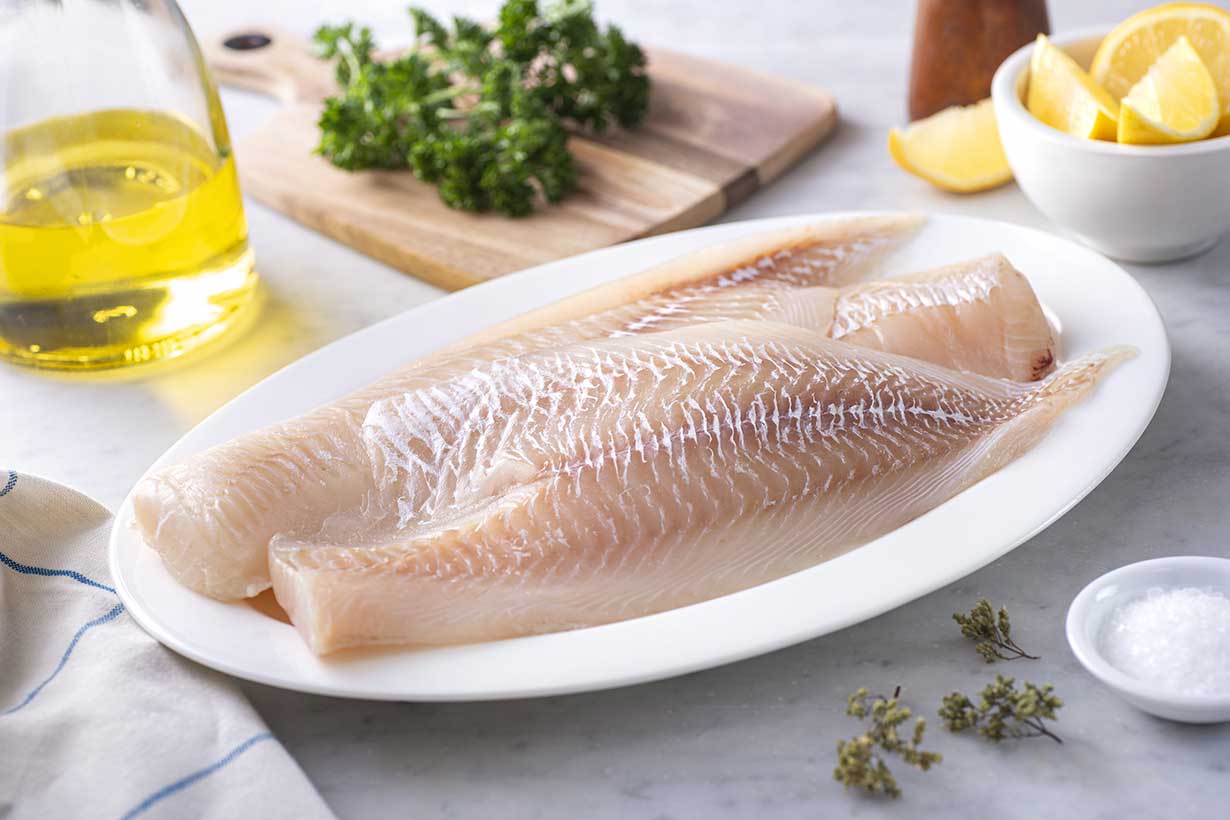
Containing less than 1% fat, cod is a lean fish offering a significant amount of protein and a range of vitamins and minerals. Among these vitamins and minerals, it is a particularly good source of vitamin B12, selenium, and choline.
Research into the potential health effects of cod has found that maternal intake may help with reducing socio-emotional issues in first-year infants. Some studies have also suggested cod intake may lower inflammation, and its high protein content could help promote satiety.
While cod is a nutrient-rich, healthy choice of fish, it is relatively low in omega-3 compared to oily fish. It also contains mercury, but in relatively low concentrations.
In this article, we present all the relevant nutritional information and key research on cod, assessing its potential benefits and downsides.
Table of contents
Key Nutrients
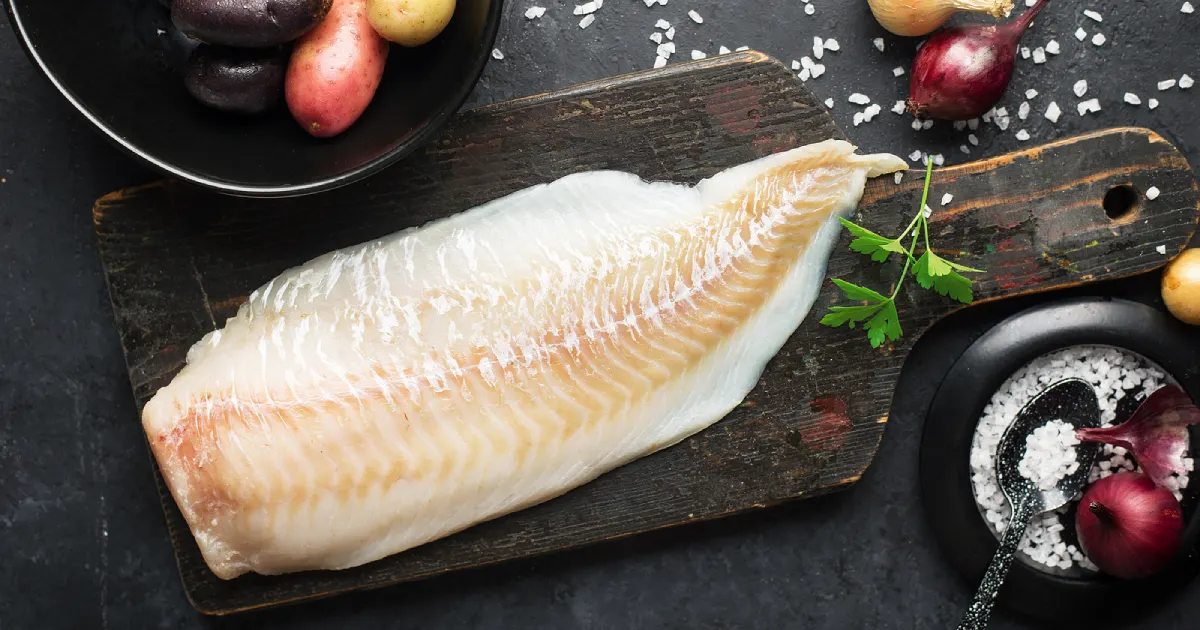
A 180-gram fillet of cooked Atlantic cod provides the following key nutrients:
- Calories: 189 kcal
- Carbohydrates: 0g
- Fat: 1.55g
- Omega-3: 0.31g
- Protein: 41g
- Selenium: 123% of the Daily Value (DV)
- Vitamin B12: 79% DV
- Vitamin B6: 30% DV
- Choline: 27% DV
- Phosphorus: 20% DV
- Magnesium: 18% DV
- Thiamin (B1): 13% DV
- Riboflavin (B2): 11% DV
Nutrition data source: USDA – Fish, cod, Atlantic, cooked
As you can see, cod provides substantial amounts of protein, selenium and vitamin B12.
With 41 grams of protein for only 189 calories, cod is among the leanest seafood choices. These figures represent more than 20 grams of protein per 100 calories.
We will go through the complete nutritional profile of cod later in this guide for those who want to understand the amounts of every vitamin and mineral.
Potential Health Benefits of Cod
Aside from supplying significant amounts of key nutrients, scientific research has investigated other potential benefits of cod.
In the following sections, we discuss cod’s potential impact on inflammatory markers, child development following maternal intake, and satiety.
May Lower Inflammation
Inflammation is a normal biological process and is necessary for functions like wound healing.
However, persistent, low-grade inflammation has been linked with an increased long-term risk of chronic diseases like cardiovascular disease. This means anything that might lower inflammation levels could potentially have long-term health benefits.
On this note, some research suggests cod intake may lower inflammation:
- A 2021 randomized controlled trial involving 63 participants found that 750g of cod per week reduced blood neopterin levels. Neopterin is released by white blood cells when the immune system is activated and is a marker of inflammation. Lower neopterin levels suggest reduced inflammation.
- An earlier 2010 randomized controlled trial involving 324 participants found that 150 grams of cod three times per week lowered several markers of inflammation. These included C-reactive protein (CRP) and interleukin-6 (IL-6).
While it is only two single trials, these studies suggest that cod may help to lower inflammation levels.
However, it is worth noting that salmon reduced inflammation levels even more than cod in the 2010 study mentioned above.
Maternal Intake and First-Year Infant Social Development
A randomized controlled trial involving 133 pregnant women tested the impact of consuming cod on infant development:
- Dose: 200 grams of cod twice weekly for 16 weeks.
- Comparator: Habitual diet (no added cod).
- Finding: Compared to women who continued consuming their habitual diet, the children of women who consumed cod appeared to have fewer socio-emotional problems during their first year. However, there were no differences beyond this in other areas of child development.
The authors were unsure of what may have caused these positive socio-emotional effects, and they ruled out iodine content as a potential mechanism, stating that further research is necessary to confirm the findings.
However, one possible explanation is that it could be an indirect effect from the various beneficial nutrients cod provides, such as choline, B12, and omega-3. In fact, all three of these nutrients can impact brain health, with choline and the omega-3 docosahexaenoic acid (DHA) playing an important role in infant brain structure.
May Improve Satiety
We can describe satiety as that feeling of being content after eating where we don’t have any urge to eat further. Foods that increase satiety may have benefits for weight management through their potential to lower subsequent food intake in the day.
The main property of cod linked to its satiety potential is its high protein content, with research showing protein intake lowers short-term appetite.
There is unfortunately no research examining the impact of consuming a cod fillet on satiety, but a randomized controlled trial involving 41 participants investigated the effect of cod protein supplementation on hunger hormones and appetite.
While this study found that cod protein supplementation had no effect, the doses used were very small.
For example, the participants were given 20 mg of cod protein hydrolysate per kilogram body weight. In other words, someone weighing 70 kg had a cod protein hydrolysate dose of only 1,400 mg (1.4 grams). This limits what the study can tell us about consuming a typical cod fillet.
Based on what we know about satiety, including a cod fillet that provides 40 grams of protein in a meal may improve satiety.
There is a 2020 systematic review that supports this notion, with the review finding:
- Protein dose importance: The change in markers of appetite was influenced by total protein dose.
- 35 grams of protein: Levels of the hunger hormone ghrelin, which promotes appetite, significantly decreased when the dose of protein was 35 grams or more.
Based on these potential effects on satiety and its low calorie content, cod may have value as a food in diets for weight management.
Related: For those wanting an alternate option, haddock is another lean fish that has similar nutritional properties.
Potential Downsides
The relative lack of omega-3 is a potential drawback of cod as a seafood choice. It also contains small amounts of mercury and can cause allergic reactions for people with a finfish allergy.
Relative Lack of Omega-3
Omega-3 fatty acids are widely thought to be beneficial for cardiovascular health, and cod does contain them, which is a positive thing.
However, cod only provides 0.17 grams of omega-3 per 100 grams cooked. This is a much lower amount than what oily fish provide, with some notable examples being:
- Herring
- Mackerel
- Salmon
- Sardines
- Trout
Related: If getting the most omega-3 is important for you, this list of oily fish should help.
Does Cod Increase Mercury Levels?
Firstly, cod has neither the highest nor the lowest mercury levels. It contains more than fish like sardines and herring, but significantly less than tuna, shark, and swordfish.
The U.S. FDA’s Mercury Monitoring Program 1990–2012 provided the following mercury data on cod:
- Mean mercury concentration: 0.111 PPM (0.01 mg per 100g).
- Number of samples: The FDA’s mercury data on cod was based on 115 samples.
If you’re wondering what this amount means for you, joint FDA and EPA advice recommends cod as one of the “best choices” for seafood. This guidance states that pregnant women can consume 2–3 servings per week, with one serving listed as 4 ounces (113g).
We can also look to the results from a Norwegian randomized controlled trial involving 137 pregnant women, which investigated the impact of cod intake on mercury levels:
- Intervention dose: Half of the women were assigned to consume 400 grams of cod per week for 16 weeks. The other group continued with their prior habitual diet.
- Impact on mercury levels: Mercury levels slightly increased among the women consuming cod, but they didn’t exceed the US EPA ‘reference dose.’ The reference dose is a conservative estimate of a mercury level below which adverse effects are unlikely to appear over a lifetime of exposure.
As this study showed, cod intake over 16 weeks did increase blood mercury levels. This would be expected as cod does contain mercury. However, the rise was not one considered to raise health concerns based on US EPA guidance.
Allergies
As with all fish, cod can cause allergic reactions since some people have finfish allergies.
The major allergen in cod is a type of parvalbumin, which is a protein called Gad c 1.
Anyone who has experienced an allergic reaction to fish should consult with their healthcare provider before consuming cod.
Complete Nutrition Facts
If you’re wondering about the full nutritional values of cod, we’ll now present the nutrients it contains in our nutrition tables.
All nutritional data is sourced from the USDA entry for cooked cod (dry heat) and we have calculated Percent Daily Values (% DV).
Calories and Macronutrients
| Nutrient | Per 100g (% DV) | Per 180g fillet (% DV) |
|---|---|---|
| Calories | 105 kcal | 189 kcal |
| Carbohydrates | 0g (0%) | 0g (0%) |
| Fiber | 0g (0%) | 0g (0%) |
| Sugars | 0g | 0g |
| Fat | 0.86g (1%) | 1.55g (2%) |
| Saturated fat | 0.17g (1%) | 0.30g (2%) |
| Monounsaturated fat | 0.12g | 0.22g |
| Polyunsaturated fat | 0.29g | 0.53g |
| Omega-3 | 0.17g | 0.31g |
| Omega-6 | 0.03g | 0.06g |
| Cholesterol | 55 mg (18%) | 99 mg (33%) |
| Protein | 22.8g (46%) | 41g (82%) |
Vitamins
| Vitamin | Per 100g (% DV) | Per 180g fillet (% DV) |
|---|---|---|
| Vitamin A (RAE) | 14 mcg (2%) | 25.2 mcg (3%) |
| Vitamin C | 1 mg (1%) | 1.8 mg (2%) |
| Vitamin D | 1.2 mcg (6%) | 2.16 mcg (11%) |
| Vitamin E | 0.81 mg (5%) | 1.46 mg (10%) |
| Vitamin K | 0.1 mcg (<1%) | 0.18 mcg (<1%) |
| Thiamin (B1) | 0.09 mg (8%) | 0.16 mg (13%) |
| Riboflavin (B2) | 0.08 mg (6%) | 0.14 mg (11%) |
| Niacin (B3) | 2.51 mg (16%) | 4.52 mg (28%) |
| Pantothenic acid (B5) | 0.18 mg (4%) | 0.32 mg (6%) |
| Vitamin B6 | 0.28 mg (16%) | 0.51 mg (30%) |
| Folate (B9) | 8 mcg (2%) | 14.4 mcg (4%) |
| Vitamin B12 | 1.05 mcg (44%) | 1.89 mcg (79%) |
| Choline | 83.7 mg (15%) | 151 mg (27%) |
Minerals
| Mineral | Per 100g (% DV) | Per 180g fillet (% DV) |
|---|---|---|
| Calcium | 14 mg (1%) | 25.2 mg (2%) |
| Iron | 0.49 mg (3%) | 0.88 mg (5%) |
| Magnesium | 42 mg (10%) | 75.6 mg (18%) |
| Phosphorus | 138 mg (11%) | 248 mg (20%) |
| Potassium | 244 mg (5%) | 439 mg (9%) |
| Sodium | 78 mg (3%) | 140 mg (6%) |
| Zinc | 0.58 mg (5%) | 1.04 mg (9%) |
| Copper | 0.04 mg (4%) | 0.07 mg (8%) |
| Manganese | 0.02 mg (1%) | 0.04 mg (2%) |
| Selenium | 37.6 mcg (68%) | 67.7 mcg (123%) |
Is Cod a Healthy Choice?
Overall, cod has an excellent nutritional profile, providing high amounts of protein, selenium, choline, and B vitamins for only 105 calories per 100 grams. This makes it extremely nutrient- and protein-dense.
Based on the existing research, cod may also have benefits for health by potentially lowering inflammation.
However, one of the main benefits of seafood is omega-3. While cod does contain small amounts of omega-3, it is far from being one of the best sources.
For those who want a lean, protein-rich fish, cod is an excellent choice.
References
Full List of Scientific References
(Click to Expand)
All citations used within this article are listed below, with full details for each scientific source.
- USDA. (2019). Fish, cod, Atlantic, cooked, dry heat. View USDA data
- Mariana Cifuentes et al. (2024). Low-grade chronic inflammation: a shared mechanism for chronic diseases. View study in Physiology journal
- Anita Helland et al. (2021). Effect of high intake of cod or salmon on serum total neopterin concentration: a randomized clinical trial. View study in the European Journal of Nutrition
- A Ramel et al. (2010). Effects of weight loss and seafood consumption on inflammation parameters in young, overweight and obese European men and women during 8 weeks of energy restriction. View study in the European Journal of Clinical Nutrition
- Ingrid Kvestad et al. (2021). Maternal cod intake during pregnancy and infant development in the first year of life: secondary analyses from a randomized controlled trial. View study in the Journal of Nutrition
- D. N. Christifano et al. (2025). Neuroprotective nutrients in pregnancy and infant brain function. View study in Clinical Nutrition ESPEN
- Thea Toft Hansen et al. (2019). Is reducing appetite beneficial for body weight management in the context of overweight and obesity? A systematic review and meta-analysis from clinical trials assessing body weight management after exposure to satiety enhancing and/or hunger reducing products. View study in Obesity Reviews journal
- Ali Kohanmoo et al. (2020). Effect of short- and long-term protein consumption on appetite and appetite-regulating gastrointestinal hormones, a systematic review and meta-analysis of randomized controlled trials. View study in Physiology & Behavior journal
- Hanna Fjeldheim Dale et al. (2019). Acute effect of a cod protein hydrolysate on postprandial acylated ghrelin concentration and sensations associated with appetite in healthy subjects: a double-blind crossover trial. View study in Food and Nutrition Research journal
- U.S. Food & Drug Administration. (2022). Mercury levels in commercial fish and shellfish (1990–2012). View U.S. FDA mercury data
- U.S. Food & Drug Administration. (n.d.). Advice about eating fish for those who might become or are pregnant or breastfeeding and children ages 1 – 11 years. View U.S. FDA advice about eating fish
- Synnove Naess et al. (2020). Effects of seafood consumption on mercury exposure in Norwegian pregnant women: a randomized controlled trial. View study in Environmental International journal
- Cristina Y. Pascual et al. (2008). Fish allergy in childhood. View study in Pediatric Allergy and Immunology journal