Erythritol is a popular sweetener for its ability to mimic the taste of table sugar while providing virtually no calories.
Since erythritol is thought to be better for dental health and keeping blood sugar stable relative to regular sugar, there are clear reasons why people may choose it.
However, research on erythritol potentially increasing platelet reactivity has raised some cardiovascular concerns since platelets are involved in blood clotting. Studies also show that some people may be prone to symptoms of gastrointestinal distress following erythritol intake.
While such findings are concerning, there is currently no causal evidence that confirms erythritol has negative effects on cardiovascular health, and it retains its FDA ‘Generally Recognized as Safe’ status.
In this article, to help you make an informed choice, we explain what the most relevant research on erythritol shows, what it means for you, and whether we can call it a healthy choice.
Before we start looking into the research, let’s first explain precisely what erythritol is for those that may not know.
Erythritol is a sugar alcohol, also known as a ‘polyol,’ derived from sugars and starches in plants, with corn being a major crop involved in erythritol production. While ‘sugar alcohol’ contains the word ‘alcohol’ in its name, this just refers to the chemical structure and shouldn’t be mixed up with the alcohol in alcoholic drinks: erythritol contains no ethanol.
The production process involves fermenting glucose with erythritol-producing microbial strains, effectively turning the glucose into erythritol.
Erythritol is commonly used as a food additive for sweetening purposes, and it can be found in everything from chewing gum and toothpaste to diet soda.
It can also be bought as an ingredient for home sweetening and use in baking, and it is a primary ingredient in sweetening products like Truvia and Swerve.
A key reason for erythritol’s popularity is its substantially lower calorie content compared to regular table sugar (sucrose):
Research has uncovered some potential benefits of using erythritol, which mostly relate to its beneficial properties compared to table sugar.
No Meaningful Impact on Blood Sugar and Insulin Levels
When we consume table sugar, it raises blood sugar levels as it enters the blood as glucose.
This is very different from the effect of erythritol. While we do absorb erythritol, studies show that approximately 90% of it is then directly excreted in the urine without going through any changes in the body.
A later similar randomized controlled trial provided further evidence for erythritol intake not impacting blood sugar levels. In this study, a dose of 75 grams of erythritol did not raise blood sugar or insulin levels in participants with obesity or in lean participants.
This is why you may hear erythritol referred to as a “non-glycemic” sweetener.
What Does Non-Glycemic Mean?
‘Glycemic’ refers to a blood sugar-raising effect. For example, the glycemic index of foods is a measure of the extent different foods may increase blood glucose levels.
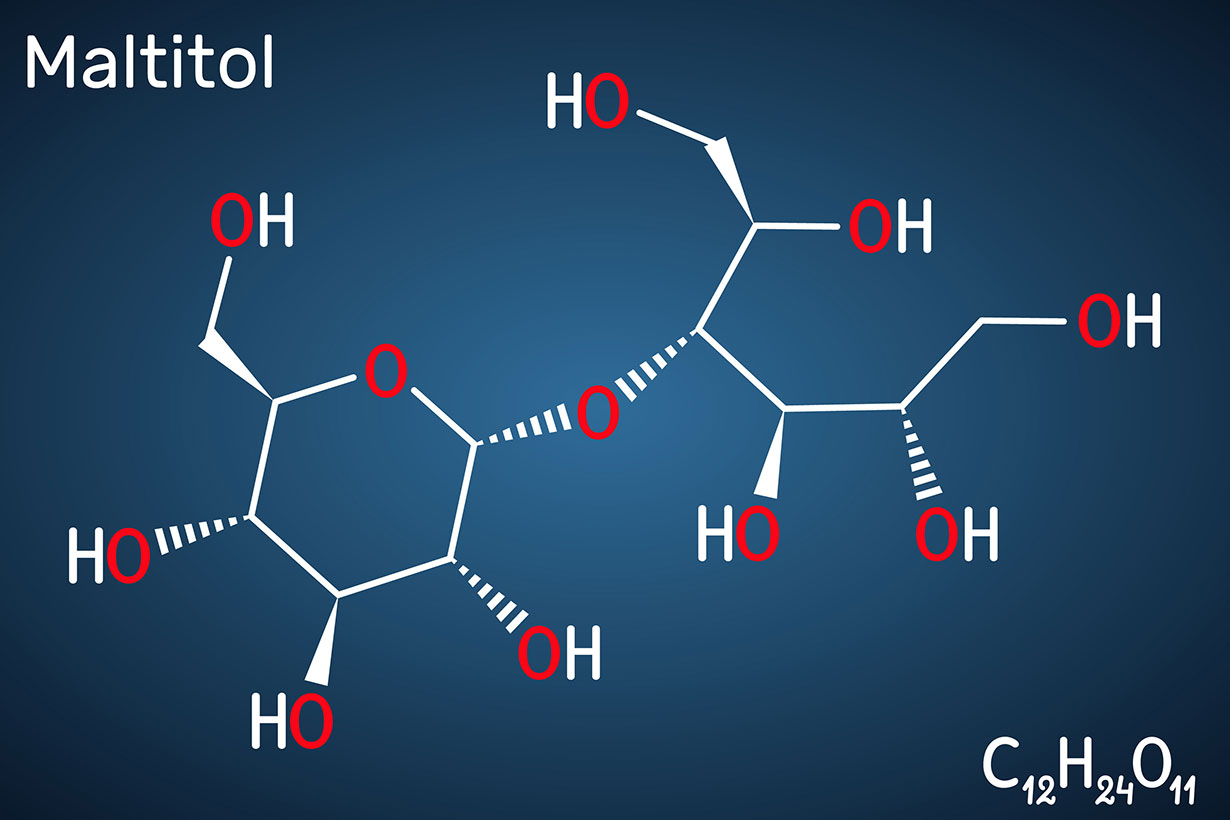
The phrase non-glycemic simply means there is no blood sugar-raising effect. It is thought that erythritol is a non-glycemic sweetener, unlike glycemic sweeteners like maltitol.
Tastes Like Sugar
While it isn’t specifically a health benefit, people do choose sweeteners based on how they taste. Unlike some sweetening options, erythritol has a mildly sweet flavor somewhat similar to table sugar.
It also doesn’t have a strong aftertaste, which isn’t the case for all sweeteners. For example, stevia has been widely described as having a bitter aftertaste.
Good Digestive Tolerance
Sugar alcohols can sometimes lead to side effects such as bloating, gas, and other symptoms of gastrointestinal distress.
While this depends on the individual and the specific dose, it appears that some sugar alcohols may increase the likelihood of symptoms compared to erythritol.
Table 1: Gastrointestinal symptoms from 20, 35, and 50g doses of erythritol and xylitol based on data from D Storey et al (2006).
As the table shows, only 50 grams of erythritol led to significant increases in reports of gastrointestinal symptoms, which were nausea and borborygmi (stomach/intestine rumbling noises). However, symptoms were seen from the sugar alcohol xylitol at lower doses.
Additionally, a randomized controlled trial demonstrated that children aged between four and six appear to tolerate erythritol well. This study found no observed effect on diarrhoea or any severe gastrointestinal effect at doses of up to 0.73 g erythritol per kilogram of body weight.
If this acid is being released over prolonged durations, it can progressively weaken and damage tooth enamel. However, erythritol appears to have quite different oral interactions than table sugar.
Firstly, it does not feed most oral bacteria, so using erythritol instead of sugar may have dental benefits and reduce oral acidity levels.
Furthermore, research involving human participants suggests that erythritol may promote dental health. For example, a 2022 randomized controlled trial found that, in young children, lollipops containing erythritol and xylitol increased the pH level of saliva.
In this study, the lollipops were provided following consumption of a sweetened beverage. After the beverage, pH levels fell, becoming more acidic, but they significantly increased again following the erythritol and xylitol.
An older randomized controlled study also found that consuming erythritol-containing candies over three years was associated with dental benefits:
Oral bacteria: Lower counts of “bad” oral bacteria such as mutans streptococci.
Better oral health: Consuming erythritol was associated with reduced plaque levels.
More Research on Erythritol and Dental Health is Necessary
While the research on erythritol and potential dental benefits appears promising, there is relatively little research still at this point.
In fact, the European Food Safety Authority explicitly noted in 2017 that there is currently insufficient evidence to claim that confectionery (candy) containing at least 90% erythritol can reduce dental plaque.
Ongoing and future research on erythritol should provide more clarity on its potential dental benefits.
Potential Drawbacks
Now that we have looked into several potential benefits of erythritol, let’s examine what the research shows about its potential for side effects.
While it appears to have fewer gastrointestinal symptoms than sugar alcohols like sorbitol, larger doses of erythritol may cause symptoms.
Additionally, some research has linked erythritol to potential cardiovascular concerns.
Gastrointestinal Distress
In the benefits section, we discussed that erythritol was generally well-tolerated at doses below 50 grams in adults and doses of 0.73g per kg body weight in children. However, that doesn’t mean erythritol is free of gastrointestinal side effects at any dose.
This seems to be a common occurrence with sugar alcohols: higher doses can potentially cause digestive issues despite smaller doses often being well-tolerated. While some people may exceed 50 grams of erythritol per day, this may be more likely for those consuming large amounts of sugar-free, processed foods.
How Much Erythritol Should You Consume to Avoid Gastrointestinal Issues?
The European Food Safety Authority has calculated an ‘acceptable daily intake’ (ADI) for erythritol of 0.5 grams per kilogram of body weight. This ADI is based on the lowest intake level that hasn’t caused diarrhoea in human studies.
The table below shows how many grams of erythritol the EFSA’s ADI is equivalent to for various body weights:
Weight (lbs)
Weight (kg)
Erythritol Acceptable Daily Intake (grams)
80
36.4
18.2
100
45.5
22.7
120
54.5
27.2
140
63.6
31.8
160
72.7
36.3
180
81.8
40.9
200
90.9
45.4
220
100
50
240
109.1
54.5
Table 2: Acceptable Daily Intake (ADI) for erythritol based on the European Food Safety Authority’s (EFSA) ADI of 0.5g per kg body weight
The U.S. FDA’s ‘Generally Recognized as Safe’ (GRAS) notice for erythritol calculated that the 90th percentile for intake is likely around 31.5 grams per day based on all users. This means that only around 10% of erythritol consumers are expected to exceed this amount.
If you either consume large amounts of erythritol or experience gastrointestinal symptoms, it may be worth consulting your healthcare provider to discuss potentially reducing intake.
Cardiovascular Concerns
Erythritol was thrown into the media spotlight in 2023 when a study published in Nature Medicine found that erythritol “fosters enhanced thrombosis” (blood clots) in animal studies and is linked to major adverse cardiovascular events. The researchers called for further research on the sweetener’s long-term safety.
In plain English, this study provided evidence for higher circulating levels of erythritol being associated with major cardiovascular events, such as death, cardiac arrest, and stroke.
The FDA also pointed out that decades of safety studies have been done on erythritol, generally finding the sweetener to be safe.
In December 2023, the European Food Safety Authority (EFSA) published a re-evaluation of erythritol and its use as a food additive. This re-evaluation noted that while uncertainties exist, current evidence has not established a cause-and-effect relationship between erythritol-containing foods and increased cardiovascular risk.
The following year, a small 2024 clinical trial found that 30g doses of erythritol increased platelet activity compared to glucose. Since platelets are involved in clotting, this raises a potential concern about erythritol intake.
However, the study was very small, involving only 20 participants, and the study did not show any evidence of participants developing blood clots or any other cardiovascular issue.
Is Erythritol Safe for Cardiovascular Health?
At present, erythritol retains its ‘Generally Recognized as Safe’ status with the FDA and continues to be authorized for use as a food additive throughout the United States and Europe.
The current studies do not establish that erythritol has a causal effect on blood clotting or cardiovascular events.
However, it is completely understandable that any links to cardiovascular issues can cause concern, as is the fact that some people may wish to avoid erythritol on the principle of precaution.
Further research should offer a clearer insight into erythritol’s role in cardiovascular health.
Rare Allergies
There has also been a handful of documented allergic reactions to erythritol, but these appear to be very uncommon.
Anaphylaxis is a severe allergic reaction that may involve symptoms such as struggling to breathe.
Is Erythritol a Good Choice?
Overall, there are some reasons to support the use of erythritol, particularly regarding its likely blood sugar and dental benefits compared to regular sugar. However, not all of the research on erythritol is positive.
To summarize the current evidence, erythritol appears to be a pleasant-tasting sweetener that has little impact on blood sugar levels. Most people seem to tolerate doses of 0.5g erythritol per kg of body weight well without gastrointestinal symptoms, based on research informing the European Food Safety Authority’s acceptable daily intake.
That said, there does appear to be the potential for gastrointestinal symptoms in higher doses, with 50 grams per day significantly increasing reports of nausea in adults. Studies have also suggested that erythritol may potentially increase the risk for blood clotting, but the evidence is uncertain, and there is no proof of erythritol causing this in humans.
In the absence of further research, some people may view erythritol as a good choice of sweetener in low to moderate doses. However, it is understandable if others have concerns over the uncertainties related to the cardiovascular research.
For those who prefer to seek alternatives, here are some other sugar-free alternative sweeteners to look into:
Michael works as a nutritionist in a community setting and holds a Master's degree in Clinical Nutrition. He is a Registered Associate Nutritionist (ANutr) with the Association for Nutrition (AfN), and has published peer-reviewed research.