A generation or two ago, our parents and grandparents viewed beef as a nutritious health food.
These days it all seems much different, and opinion is split between whether beef is healthful or harmful for our health.
This article takes an in-depth look at the nutrition profile and potential health benefits of beef, which is a type of red meat.
Additionally, we look at some of the potential concerns.
1. Beef provides a good range of nutrients
First of all, beef is an excellent source of essential nutrients. It contains a wide range of vitamins and minerals.
The following data shows the full nutritional values for beef per 100 grams, based on data from the USDA’s FoodCentral Database.
Although the exact nutrient values will depend on the precise cut of meat, the following data is based on 80% lean ground meat (1).
Nutrition Facts For 80% Lean Beef (Per 100g)
Calories/Nutrient
Amount
Calories
254 kcal
Carbohydrate
0 g
Fat
16.17 g
Saturated fat
6.16 g
Monounsaturated Fat
7.19 g
Polyunsaturated Fat
0.47 g
Protein
25.25 g
Vitamins
Vitamin B12: 104% DV
Niacin (vitamin B3): 29% DV
Vitamin B6: 19% DV
Choline: 15% DV
Riboflavin (vitamin B2): 13% DV
Pantothenic acid (vitamin B5): 11% DV
Thiamin (vitamin B1): 3% DV
Folate: 2% DV
Vitamin E: 1% DV
Vitamin K: 1% DV
Minerals
Zinc: 57% DV
Selenium: 37% DV
Phosphorus: 14% DV
Iron: 14% DV
Potassium: 6% DV
Magnesium: 5% DV
Copper: 9% DV
Sodium: 3% DV
Calcium: 2% DV
Manganese: 0.5% DV
Key Point: Beef is a rich source of protein, B vitamins, zinc, and selenium.
2. Beef provides a large source of L-Carnitine
L-carnitine is a health-promoting compound that the body synthesizes in the liver from the amino acids lysine and methionine (2).
Beef is the best dietary source, and other meat products also contain relatively high amounts (3).
In the table below, we can see the L-carnitine content of beef compared to some other animal foods and plant foods (4);
L-Carnitine Food Source
Amount of L-Carnitine (mg)
Asparagus (1/2 cup)
0.1
Beef (4oz)
56 – 162
Cheese
2
Chicken Breast (4oz)
3 – 5
Cod (4oz)
4 – 7
Ice-Cream (1/2 cup)
3
Whole Milk (1 cup)
8
Whole Wheat Bread (1 slice)
0.2
Why is L-Carnitine Important?
Among its numerous functions, L-carnitine plays a role in fat metabolism.
As part of this, L-Carnitine does the job of transporting fats into our mitochondria where we burn them (5).
It’s important to clarify that our body can synthesize sufficient amounts of L-carnitine for general needs, and we don’t necessarily need an external intake.
As a result, deficiencies are rare.
However, research suggests that a higher dietary intake of L-Carnitine may have some positive health impacts.
Heart Health
A meta-analysis of randomized trials suggests that L-carnitine improves patient outcomes. Specifically, it exerts an effect on hypertension, oxidative stress, nitric oxide, and inflammation (3).
A further systematic review found that L-carnitine is associated with a 27% reduction in all-cause mortality in heart failure patients (4).
Diabetes
A systematic review shows that higher L-carnitine intake in type 2 diabetes patients improves fasting glucose levels and the overall cholesterol profile (5).
Weight Loss
According to a systematic review and meta-analysis of nine randomized controlled trials, subjects using L-carnitine supplementation lost “significantly more weight” than the control group (6).
However, it is important to note that each of these benefits was noted in participants taking supplementary carnitine.
In other words, we can’t automatically assume that the amounts present in beef would have the same potential benefits.
On the other hand, research demonstrates that the absorption rate of carnitine from supplements is poor in comparison to beef.
Supplementary doses of synthetic carnitine are usually around 500-600 mg, of which our body only absorbs 14-18% of the compound (7).
By comparison, beef provides 56-162 mg of carnitine per 4 oz (112-gram) serving. According to existing trials, dietary carnitine has a bioavailability of approximately 54-87% (7).
Key Point: L-carnitine is a compound that naturally occurs in beef. Based on research into carnitine supplementation, it seems to have a positive impact on various health markers.
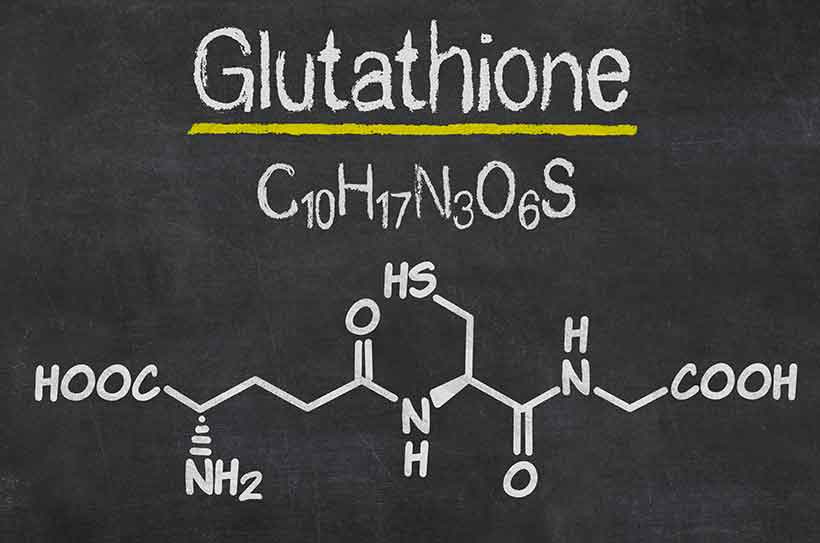
3. Beef Provides the “Master Antioxidant” Glutathione
Commonly known as the ‘master antioxidant,’ glutathione has a score of research linking it to (8);
Anti-aging benefits
Increasing longevity
Preventing illness
Reducing the risk of chronic disease
Strengthening the immune system
As a key player in the human immune system, glutathione helps to protect every cell in our body from cellular damage, which can lead to many chronic diseases.
On the other hand, a deficiency in glutathione appears to contribute to oxidative stress and inflammation (9).
As a result, maintaining sufficient glutathione levels seems to be important for human health.
Endogenous Glutathione Production and Dietary Sources
Firstly, the human body produces glutathione endogenously.
In other words, our body uses raw materials (in this case: amino acids) to make glutathione.
For this process to occur, the body requires adequate levels of the amino acids cysteine, glutamate, and glycine (10).
These amino acids are known as glutathione precursors, and each of these amino acids is present in beef.
On the positive side, beef also contains a reasonably high source of complete (preformed) dietary glutathione (11, 12).
Key Point: Keeping our glutathione levels high is critical for good health, and beef is a food that may help us to achieve this.
4. Beef is High in Protein
There are numerous reasons why we should strive to ensure a sufficient protein intake and these include;
Amino acids (proteins) are the building blocks our body uses to repair and make bone, skin, and cartilage (13).
Sufficient protein intake helps us to build and maintain lean muscle mass (14).
Out of all macronutrients, dietary protein appears to be the most satiating, and it may help to discourage food cravings (15).
Beef is packed with amino acids, and it is one of the most complete sources of protein in the human diet (16).
For instance, a cooked 6 oz (170g) portion of 80% lean beef provides 36.5 grams of protein (1).
Should we opt for a leaner variety of beef, the protein content can be even higher. For 95% lean ground beef, a cooked 6 oz (170g) serving provides 43 grams of protein (17).
As we age, building—or at least holding on to—lean mass should be a priority.
Research shows that older adults with lower muscle mass are at a higher risk of mortality.
Speaking bluntly, the more skeletal muscle mass someone loses as they age, the higher their risk of an earlier death (12).
Also, the rate of muscle protein synthesis rapidly drops as we age, making it a lot harder to build and maintain muscle (13).
Considering this, we should ensure we’re eating a sufficient amount of protein – this is especially essential for elderly people.
On this note, beef is one of the best protein-rich foods out there.
Key Point: Protein is essential for optimal health, and especially so as we age. Beef provides an abundant amount of this macronutrient.
4. Beef is Rich in Minerals
If you’re looking to increase your intake of various minerals, then beef is one of the best options to consider.
First of all, beef is relatively nutrient-dense in minerals.
Here we can see the mineral content of 80% lean beef (11);
Mineral Name
Amount per 6oz portion (% DV)
Calcium
4
Copper
8
Iron
26
Magnesium
10
Manganese
2
Potassium
18
Phosphorus
38
Selenium
52
Zinc
72
As shown in the table, beef provides more than half of the day’s recommended amount of selenium and zinc.
Many people have deficiency issues with some of these minerals.
So, the nutritional value of beef can help fight prevalent global deficiencies in iron, magnesium, and zinc (14, 15, 16).
Key Point: Beef is rich in several essential minerals—especially iron, phosphorus, selenium, and zinc.
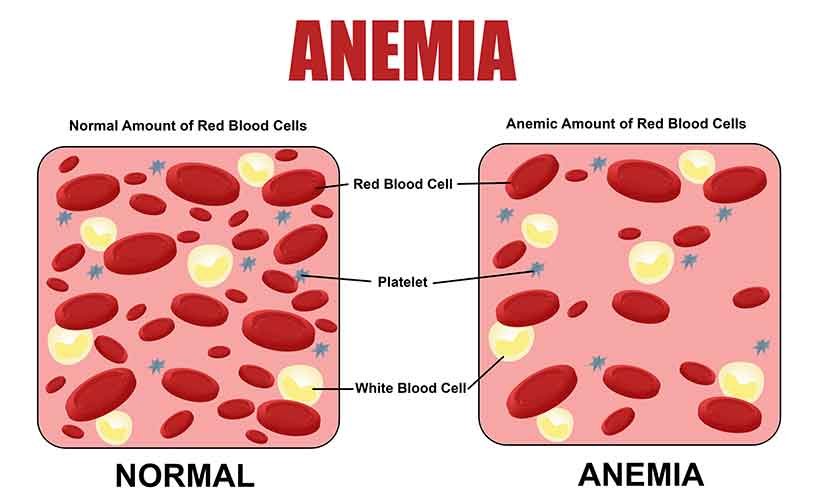
5. Eating Beef Helps To Prevent Iron Deficiency Anemia
We touched on mineral deficiencies in the last point, but iron deficiency anemia deserves a mention of its own.
Sadly, iron deficiency anemia is a growing epidemic around the world.
In a developed country such as the United States, nutrient deficiencies shouldn’t be a cause of death, yet anemia kills thousands every year.
To be exact, the latest release of statistics showed that Anemia hospitalized 146,000 Americans in one year. 5,219 of these people died (17).
Globally it’s even worse, and according to the World Health Organization, 1.62 billion people suffer from iron deficiency anemia (18).
Heme and Non-Heme Iron
There are two types of iron available in food, and we refer to them as heme and non-heme iron.
Heme Iron: Heme iron is the most bioavailable form of iron, and meat and other animal foods exclusively contain it.
Non-Heme Iron: Non-heme iron is found in plant foods such as fruit, vegetables, and nuts. In comparison to heme iron, our body finds it more difficult to absorb.
One of the best health benefits of beef meat is that it contains a substantial amount of heme iron.
The best source of all? Beef liver.
Interestingly, anemia disproportionately affects females. Perhaps this isn’t a huge surprise when we think about how society seems to shame women who eat meat.
The imagery of women smiling while eating a bowl of salad is quite ubiquitous.
Key Point: Eat more beef to help prevent iron deficiency anemia.
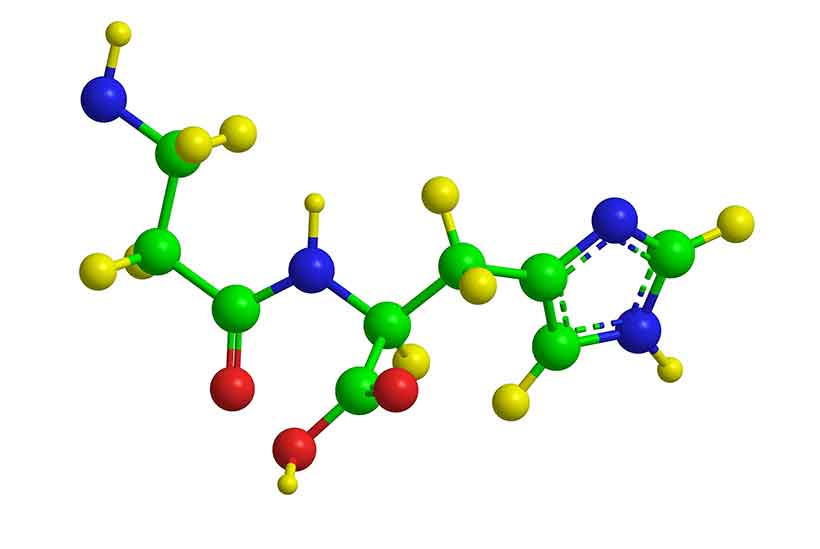
6. Beef Contains Carnosine
Another potential advantage of eating beef is that it provides an abundance of carnosine.
Carnosine (beta-analyl-L-histidine) is a compound created by the combination of the amino acids alanine and histidine. It is found throughout the body, and it has several important roles in human health.
As beef is one of the highest sources of carnosine (containing about 50% more than poultry), this is another health benefit.
What Does Carnosine Do?
For one thing, carnosine has anti-glycosylation properties.
To be exact, carnosine reduces the harms of a process called ‘glycation’ which involves advanced glycation end-products (AGES).
Glycation is central to the aging process and progressively damages our body, potentially leading to atherosclerosis and various other chronic diseases (19, 20).
Additionally, carnosine helps boost the immune system and reduce inflammation. The compound is also thought to help prevent lipid peroxidation within our cells (21, 22).
Key Point: Beef (and red meat in general) is the best dietary source of carnosine.
7. Beef is Full of Vitamins
There are many important nutrients in beef, and those present in significant amounts include the range of B vitamins (11);
Vitamin Name
Amount Per 6oz Portion (% RDI)
Vitamin B12
82
Vitamin B3
50
Vitamin B6
36
Vitamin B2
18
Vitamin B5
14
Additionally, beef also contains smaller amounts of vitamins E and K.
Vitamin B12 (cobalamin) is a notably essential nutrient, and this is because it is only available from animal foods.
This vitamin also has a wealth of benefits that include skin improvements, positive mood, better sleep, and neural regeneration (23, 24).
It’s important to realize that insufficient vitamin B12 may also increase the risk of depression and mental health issues (25, 26).
Fortunately, just 100 grams of beef provides the daily recommended amount of B12.
Key Point: Beef is high in B vitamins which help promote health. Vitamin B12 is particularly important since it isn’t present in plant-based foods.
8. Conjugated Linoleic Acid
Otherwise known as CLA, conjugated linoleic acid is a naturally occurring trans-fat.
Don’t worry, although the “trans-fat” name is a little scary, it has a very different effect to the synthetic version.
Some randomized controlled studies involving human participants suggest that;
Conjugated linoleic acid might help to improve insulin sensitivity (27)
CLA may slightly promote fat loss, but the evidence is mixed (28, 29)
Notably, the bulk of the evidence suggests that getting CLA from real food is better than supplementation (30).
As is often the case, perhaps nutrients in whole foods have a different effect to a synthetic pill?
Food Sources of CLA
The top sources of CLA include meat and dairy products.
After lamb meat and certain cheeses, beef is the next highest provider of the nutrient.
Although all types of beef contain CLA, grass-finished meat offers a significantly higher amount than beef from grain-fed cattle.
Specifically, the average amount of CLA in grass-fed beef is 0.46% of the fat content.
With grain-fed beef, this average content drops to 0.16% of fat (31).
Key Point: Beef—especially from grass-fed cows—is one of the highest sources of conjugated linoleic acid.
9. Beef Contains Creatine
Almost everyone knows the dietary supplement version of creatine, but did you know that beef contains it too?
In fact, beef typically contains 350mg creatine per 100g (32).
The health benefits that creatine bring include;
Improved exercise performance
Creatine assists in muscle growth and development
Provides muscles with greater energy supply and improves endurance
Increased muscular size
It’s also worth noting that our liver can produce about 2g creatine per day, depending on the pre-cursors being available.
Creatine precursors include arginine, glycine, and methionine (33).
Not only are all of these amino acids present in beef, but beef is one of the single most significant dietary sources for them.
In other words, eating beef gives you a decent amount of dietary creatine, and it helps your body to produce it too.
Key Point: Beef has two positive impacts on creatine levels. Firstly, it directly provides it to the body and secondly, it helps the body to make it.
Final Thoughts
Beef contains several health-promoting compounds, some of which many of us don’t consume in sufficient amounts.
While some concerns about red meat are worth consideration, beef also supplies a good amount of beneficial nutrients to the average diet.
Particularly protein, iron, zinc, and vitamin B12.
Michael works as a nutritionist in a community setting and holds a Master's degree in Clinical Nutrition. He is a Registered Associate Nutritionist (ANutr) with the Association for Nutrition (AfN), and has published peer-reviewed research.