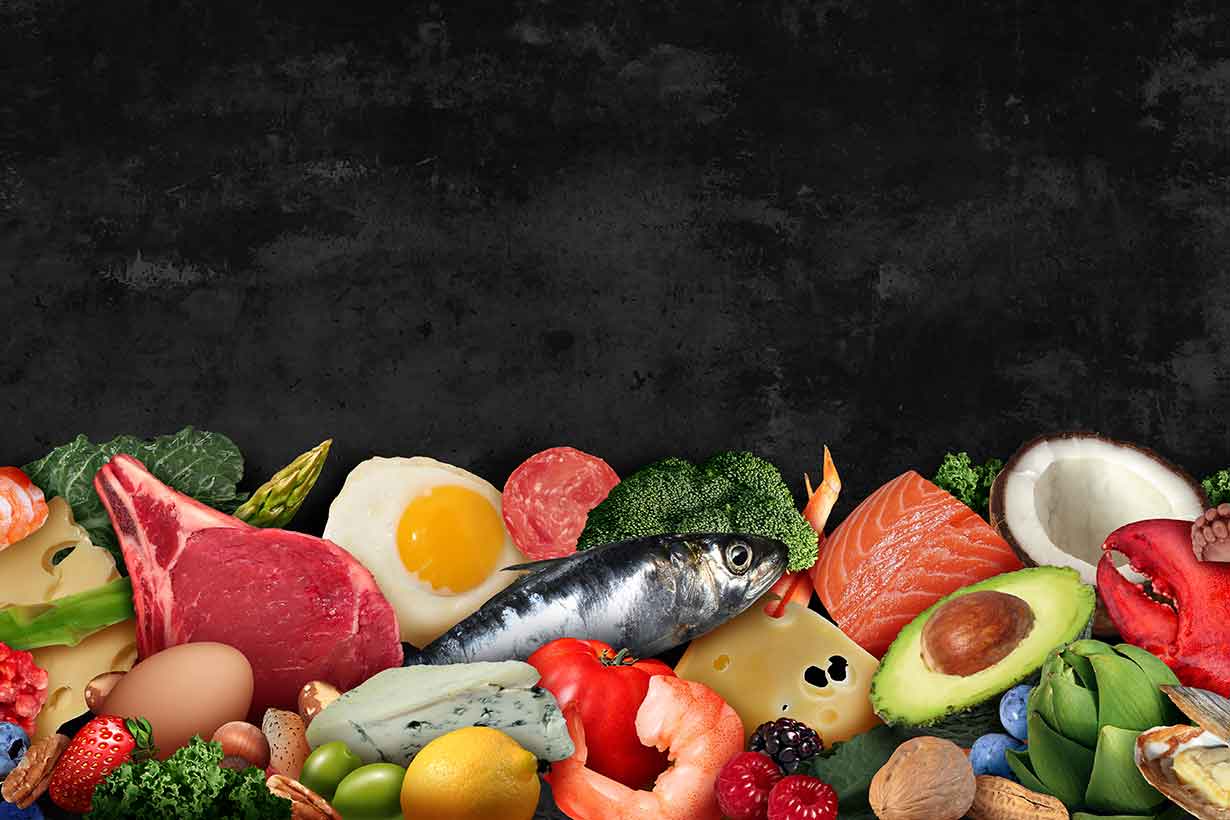
The types of food in this guide are suggestions on foods to eat that can support people to achieve their objectives.
However, as with anything nutrition and diet-related, it is important to find the foods that are right for you. In other words, what works for one person may not for someone else, and it is best to build diets around foods that you enjoy which fit your lifestyle.
There will never be a single right way of eating that fits everyone, so please use this guide as an idea generator.
Take things you might like and leave what you don’t – hopefully some of it may be useful.
1) Increasing Protein Intake
Protein is an essential macronutrient that plays an important role in overall health and the growth and repair of body tissues, including everything from muscles to skin and nails.
Protein intake may also help to support satiety, the feeling of being full and satisfied after eating.
Since greater satiety may help to lower appetite, it can potentially discourage over-eating and positively impact weight management.
Protein-Rich Food Categories
If you’re looking to increase your protein intake, the most protein-rich food categories include:
Dairy:Most dairy foods are a good source of protein except for isolated sources of fat, such as butter, ghee, and cream. Cheese, milk, and yogurt are excellent sources, with low-fat dairy products having the highest protein content. Some low-fat dairy options include 50% reduced-fat cheese, low-fat quark and yogurt, and skim milk. Since these products contain lower amounts of fat, they have significantly fewer calories and proportionally higher protein content.
Eggs: A typical large egg, weighing around 50 grams, provides more than six grams of protein.
Legumes: A wide range of legumes, such as cannellini beans, lupins, and soybeans, all contain high amounts of dietary protein. These foods are particularly beneficial protein choices for people following plant-based diets. Legume-based products, such as tempeh and tofu, are also good sources.
Meat: All meat provides protein, but some varieties offer significantly more than others. For example, skinless chicken breast, turkey, and leaner cuts of red meat tend to be primarily protein sources with very low fat content. Since they have a lower amount of fat, they contain significantly more protein per gram. They are also a lean protein source, providing high protein levels for relatively few calories.
Plant-based products: Some alternative plant-based meat products, such as mycoprotein, provide a moderately high amount of protein. As do plant-based milks like soy milk and pea milk. However, this is not the case for all plant milk options; for example, almond and rice milk contain virtually no protein. Since the protein content of plant-based options can widely vary, it is always a good idea to check their nutritional label carefully.
Protein powders: Dairy-based protein powders like casein and whey as well as plant-based powders like pea and soy protein are all convenient, high-protein options.
Seafood: All fish and shellfish provide a rich source of protein. If you want the most protein per gram (and per calorie), opt for lean white fish like cod and haddock rather than oily fish like salmon.
While foods like nuts, seeds, and whole grains also provide some protein, this tends to be in lower amounts than the above-listed foods. Nuts, seeds, and grains also have a much higher calorie-to-protein ratio.
A Note on Protein Quality
Among the above-listed foods, animal-based proteins and soy protein have the highest protein quality. This means that slightly more of it is bioavailable (e.g. digested and absorbed) per gram.
However, it is important to view protein quality with appropriate nuance. While it can be an important factor when dietary protein intake is limited, it becomes less important with increasing total protein intake.
For instance, a 2021 study involving nineteen young men demonstrated that when protein intake was over 1.6 grams per kilogram of body weight, consuming only plant-based proteins was equally as effective as a protein-matched mixed diet in supporting muscle mass gains.
Fiber is another key nutrient that many people under-consume. In fact, based on data from 2021, only 7% of U.S. adults met the recommended daily fiber intake.
It is recommended that people aim to consume at least 14 grams of fiber per 1,000 calories, which for a typical 2,000 calorie diet is equal to a daily value of 28 grams.
Fiber can have many potential health benefits, including improved digestion, binding potential carcinogenic compounds in the intestines, and lowering blood-sugar responses to carbohydrates.
So, what can you eat to increase your fiber intake? These food categories tend to be some of the most concentrated fiber sources:
Fruit: Among fruit, berries (specifically blackberries and raspberries), avocado, apples, pears, plums, and prunes offer high amounts of fiber. While sweet and juicy fruits such as mango also provide some fiber, they tend to contain lower levels.
Legumes: All legumes from dried beans and lentils to fresh edamame are excellent protein sources. Some fiber-rich options include cannellini beans, fava beans, lentils, and lupin beans.
Nuts: All nuts contain a good amount of fiber, but almonds, pistachios, and pine nuts contain particularly notable levels.
Seeds: Seeds are a great source of fiber – especially chia and flaxseeds.
Vegetables: Vegetables contain a varying amount of fiber depending on the specific vegetable. Cruciferous vegetables like broccoli and cauliflower and leafy green vegetables are some of the best options.
Whole grains and whole grain products: For fiber, prioritize whole grains rather than heavily processed foods. Some of the best options include whole wheat berries, oats, barley, rye, wholegrain breads, wholewheat pasta, wheat bran, and oat bran.
The omega-3 index measures the relative proportion of the two primary omega-3 fatty acids, eicosapentaenoic acid (EPA) and docosahexaenoic acid (DHA) in blood cells as a proportion of total fat. For example, an omega-3 index of 5% would mean that one in twenty of the fatty acids in a cell are omega-3.
Research has identified associations between a higher omega-3 index and better health outcomes. Based on the existing research, an omega-3 index over 8% appears to correlate with a lower risk of mortality and cardiovascular disease.
Despite this, a 2025 study found that the average omega-3 index in the United States is only around 5%.
The following food categories are good options for boosting omega-3 intake:
Algae oil: Algae oil is a vegan-friendly way to get the omega-3 fatty acids EPA and DHA, which are not naturally present in other plant-based foods.
Eggs: While all eggs contain a small amount of omega-3, eggs specifically labeled as ‘omega-3-enriched’ can provide higher amounts.
Nuts and seeds: Nuts and seeds don’t contain preformed EPA and DHA. However, they do contain alpha-linolenic acid (ALA) that can be converted to EPA and DHA inside the body. However, the conversion rate is relatively poor at an estimated 5–8% and EPA and DHA are significantly more reliable sources.
Oily fish: Oily fish species like salmon and sardines are rich source of EPA and DHA. See this list of oily fish high in omega-3 for all the best options.
Satiety refers to the feeling of being full (or satisfied) after eating, without a further desire to eat more.
This is important when we make food choices because some foods are high in calories without being particularly good for promoting satiety. For example, many people find it easier to eat a large number of calories from foods like French fries, ice cream, and potato chips. However, these foods often aren’t “filling” and don’t remove the desire to eat more food.
In contrast, consuming foods that promote higher satiety levels may potentially help support weight management goals. Following energy-restrictive diets is difficult, and if people are constantly battling hunger, they can be extremely hard to sustain.
Based on the existing research, some foods that may promote satiety and potentially help lower appetite include:
High-protein foods: Options like low-fat dairy, fish, legumes, meat, shellfish, and tofu, and other protein-rich foods may support satiety.
Foods with high satiety scores: A 1995 study called ‘The Satiety Index of Common Foods‘ gave satiety scores to a wide range of foods. These scores were based on each food’s impact on satiety for up to two hours after eating. In this study, the foods that scored highest for satiety were boiled potatoes, ling fish, oatmeal, oranges, apples, brown pasta, beef, baked beans, grapes, wholemeal bread, popcorn, and eggs.
It can be challenging to consume a sufficient amount of each essential vitamin and mineral, particularly if you don’t know which foods contain what nutrients.
Although there are other good reasons for it, incorporating a wide range of vitamins and minerals is one reason why public health nutrition guidance often advises a “balanced diet” and incorporating a wide variety of foods.
Anyone with concerns over their nutrient intake should consult their healthcare provider. However, some common foods that provide a broad range of vitamins and minerals include:
Oysters: These shellfish are extremely nutrient-rich. Per 100 grams, oysters provide more than 100% of the recommended daily value for copper, vitamin B12, selenium, and zinc.
Oats:100 grams of oats provides more than 10% of the daily value for thiamin, pantothenic acid, copper, iron, magnesium, manganese, phosphorus, potassium, selenium, and zinc. Some of these nutrients are present at significantly higher levels.
Brazil nuts:Just one ounce (28.35g) of Brazil nuts provides 544 mcg of selenium, which is nearly 1000% of the daily value. These nuts also provide more than 10% of the daily value for thiamin, copper, magnesium, manganese, and phosphorus.
Watercress: Many vegetables are rich nutrient sources, but watercress is arguably among the best. Per 100 grams raw, watercress offers more than 10% of the daily value for vitamin A, vitamin C, vitamin K, calcium, and manganese, and all this for only 11 calories. Standout nutrients include vitamin K, which is present at over 200% of the daily value, and vitamin C is approximately 50%.
Liver: Liver is an organ meat with significantly higher vitamin and mineral content than regular meat. For example, cooked chicken liver provides more than 100% of the daily value for riboflavin, vitamin B12, folate, vitamin A, and selenium. It also offers over 40% of the daily value for niacin, pantothenic acid, vitamin B6, choline, and iron.
While including any of these foods can significantly increase vitamin and mineral intake, it tends to be the overall dietary pattern that matters most. Diets rich in whole foods, whether from fruit, vegetables, nuts, seeds, meats and poultry, whole grains, or seafood tend to contain high levels of essential nutrients.
Nutritionist’s Note: Brazil Nuts and Overconsumption
As mentioned above, Brazil nuts are an excellent source of essential nutrients. However, it’s important to consume them in moderation.
This is because Brazil nuts are so high in selenium that it is possible to over-consume it. Large daily over-consumption of selenium can potentially lead to adverse effects including, but not limited to, nausea and fatigue.
Due to this, a ‘daily upper limit’ for selenium intake has been set at 400 mcg for adults, but falls to as little as 90 mcg for children aged between 1 and 3.
According to USDA data, a single Brazil nut typically contains around 96 mcg of selenium, meaning that 1 or 2 per day (for adults) is enough.
For people who wish to include more nuts more regularly, I would recommend almonds as another nutrient-rich choice without the potential selenium overconsumption concerns.
Summary
Whether someone is looking to increase their protein, omega-3, fiber, or vitamin and mineral intake, the foods in this guide may have something to offer.
Furthermore, focusing on nutrient-rich whole foods can often be more effective than overly restricting calorie intake. This is because many nutrient-rich foods are more satiating than heavily processed foods.
Lastly, for anyone with concerns or confusion over their diet, it is always a good idea to seek guidance from your healthcare provider. Nutrition advice that has been carefully personalized for you will always be more effective than generic diet plans.
Michael works as a nutritionist in a community setting and holds a Master's degree in Clinical Nutrition. He is a Registered Associate Nutritionist (ANutr) with the Association for Nutrition (AfN), and has published peer-reviewed research.