If you’re looking for high-fiber fruit, you should know that the fiber content of fruit varies widely. Some options are very fiber-rich yet others contain relatively little.
This article provides a list of 25 fruits with high dietary fiber content.
Following this, we’ll also explore:
Fiber-to-calorie ratios: Which fruits provide the most fiber for the fewest calories?
Fiber-to-sugar ratios: The fruits that have the highest amount of fiber proportional to their sugar content. This information may assist people looking for fruits with lower impacts on blood sugar levels.
The following table shows fruits with the highest fiber levels. For 25 different fruits, you can see their fiber content per 100 grams and per typical fruit.
Sourcing note: For most fruit, data was taken from the USDA’s Standard Reference database to provide uniform nutritional values. USDA FNDDS or ‘Foundation Foods’ data was used where standard reference data was unavailable.
Rank
Fruit name
Fiber per serving
Typical serving size
Fiber per 100g
1
Passion fruit
12.25g
1/2 cup (118g)
10.4g
2
Elderberries (raw)
10.2g
145g cup
7.0g
3
Mamey sapote
9.45g
1 cup (175g)
5.4g
4
Raspberries
8.0g
1 cup (123g)
6.5g
5
Loganberries (frozen)
7.79g
1 cup (147g)
5.3g
6
Blackberries
7.63g
144g cup
5.3g
7
Avocado
6.75g
1/2 fruit (100g)
6.75g
8
Gooseberries
6.45g
1 cup (150g)
4.3g
9
Persimmon (Japanese)
6.05g
1 fruit (168g)
3.6g
10
Pear
5.52g
Medium pear (178g)
3.1g
11
Breadfruit
4.7g
1/4 fruit (96g)
4.9g
12
Apple (Granny Smith)
4.68g
Medium apple (167g)
2.8g
13
Durian
4.63g
1/2 cup (121.5g)
3.8g
14
Kumquat
3.72g
3 fruits (57g)
6.5g
15
Goji berries (dried)
3.64g
5 tbsp (28g)
13.0g
16
Cranberries
3.6g
1 cup (100g)
3.6g
17
Blueberries
3.55g
148g cup
2.4g
18
Pomegranate
3.48g
1/2 cup arils (87g)
4.0g
19
Prunes
3.37g
5 prunes (47.5g)
7.1g
20
Guava
2.97g
1 fruit (55g)
5.4g
21
Strawberries
2.88g
1 cup (144g)
2.0g
22
Oranges (navel)
2.8g
1 fruit (140g)
2.0g
23
Grapefruit (pink)
2.53g
1 cup (230g)
1.1g
24
Lemon
2.35g
1 large fruit (84g)
2.8g
25
Lime
1.88g
1 fruit (67g)
2.8g
Table 1: A ranking of fruits high in fiber listing fiber content per 100g and per typical serving, ranked in descending order by fiber per serving.
Nutritionist’s Note
Raw elderberries: While elderberries are a significant source of dietary fiber, they should not be eaten raw. Elderberries should be cooked to destroy or minimize their cyanogenic glycoside content, which can cause gastrointestinal distress. Elderberries are typically used to make preserves and juices. Learn more about elderberries here.
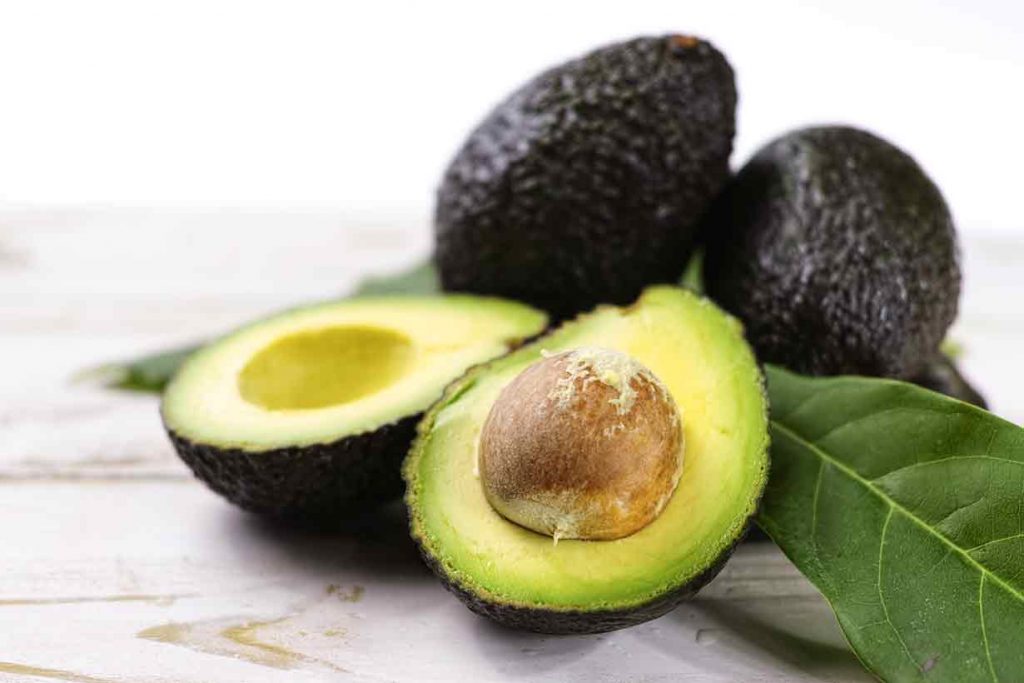
Avocados are easy to overconsume: Avocados are very high in fiber. However, unlike most of the fruit in the table, they are also a rich source of dietary fat, giving them a high calorie content. While avocados are a nutrient-rich choice, it is worth being aware that they typically contain over 300 calories per fruit.
Goji berries and prunes are dried fruit: Dried fruits don’t have the water content of fresh fruit, which concentrates their provision of nutrients and calories per gram. For this reason, goji berries and prunes are higher in sugar and calories than most of the fruit in the table.
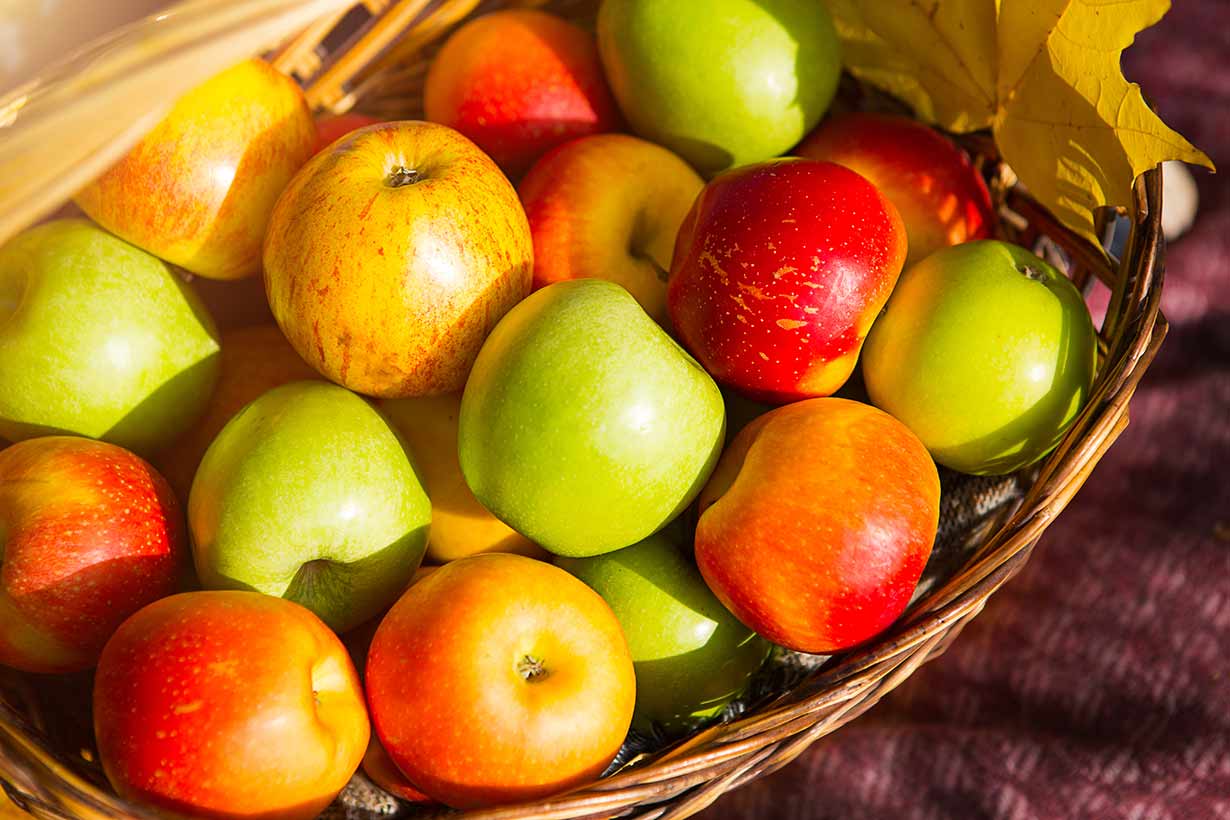
Nutritional values can vary by fruit: The data you can see in the table above comes from the USDA, globally recognized as an authoritative source of nutritional data. However, for transparency, you should be aware that the exact fiber content can vary by individual fruit. For example, there are many different types of apples, and a Granny Smith provides more fiber than a Gala apple weighing the same. In contrast, a big Gala apple may have a higher fiber content than a small Granny Smith, despite containing less fiber per gram. It can be helpful to understand these nuances.
Fruit With the Highest Fiber-to-Calorie Ratio
Some people may prefer to look for fruit with the highest fiber-to-calorie ratio.
Fruits that are low in calories and high in fiber can help meet fiber requirements while also:
Diet compatibility: Fitting into reduced-calorie diets.
Adding fiber without significantly more calories: Not adding significant amounts of calories to the diet (like an avocado would).
Helping manage energy intake: High fiber-to-calorie fruits may potentially help support satiety (reducing appetite) as part of an energy-controlled diet.
Berries tend to offer the highest proportion of fiber compared to total calories, as the following table shows.
Rank
Fruit name
Fiber per serving
Calories per serving
Fiber per 100 calories
1
Raspberries
8.00g
64
12.50g
2
Blackberries
7.63g
62
12.31g
3
Passion fruit
12.25g
114
10.75g
4
Lemon
2.35g
24
9.79g
5
Gooseberries
6.45g
66
9.77g
6
Loganberries (frozen)
7.79g
81
9.62g
7
Elderberries (raw)
10.20g
106
9.62g
8
Lime
1.88g
20
9.40g
9
Guava
2.97g
37
8.03g
10
Cranberries
3.60g
46
7.83g
Table 2: Fruits with the highest fiber-to-calorie ratio, displayed in descending order by fiber per 100 calories
As you can see from the table, raspberries and blackberries offer the most fiber per calorie. Although they don’t have as high total fiber as fruits like passion fruit, these berries are very low in calories, giving them excellent fiber density.
Fruits With the Highest Fiber-to-Sugar Ratio
The amount of sugar proportional to a fruit’s fiber content can be useful information for some people. For example, this data may be useful for anyone actively managing their blood sugar levels.
Note: Always discuss dietary changes with your healthcare provider if you’re managing a health condition.
The table below displays ten high-fiber fruits that have the highest fiber-to-sugar ratios among the fruits featured in this article.
Rank
Fruit name
Serving size
Fiber per serving
Sugar per serving
Fiber-to-sugar ratio
1
Avocado
1/2 fruit (100g)
6.75g
0.66g
10.2:1
2
Lime
1 fruit (67g)
1.88g
1.13g
1.7:1
3
Raspberries
1 cup (123g)
8.0g
5.44g
1.5:1
4
Lemon
1 fruit (84g)
2.35g
2.1g
1.1:1
5
Blackberries
1 cup (144g)
7.63g
7.03g
1.1:1
6
Cranberries
1 cup (100g)
3.60g
4.27g
0.8:1
7
Kumquat
3 fruits (57g)
3.72g
5.34g
0.7:1
8
Loganberries (frozen)
1 cup (147g)
7.79g
11.3g
0.7:1
9
Guava
1 fruit (55g)
2.97g
4.89g
0.6:1
10
Strawberries
1 cup (144g)
2.88g
7.04g
0.4:1
Table 3: High-fiber fruits ranked in descending order by their fiber-to-sugar ratio
Nutritionist’s Note
High-fiber doesn’t mean low sugar: I often notice people mistakenly thinking ‘high fiber’ equals ‘low sugar’ but this isn’t always true. The most obvious example proving otherwise in this table is by comparing avocado and loganberries. While loganberries have a higher absolute fiber content than avocado per typical serving, they also contain more than 17x the amount of sugar. Both fruits can be a healthy option, but such differences may matter for individuals trying to track their sugar intake.
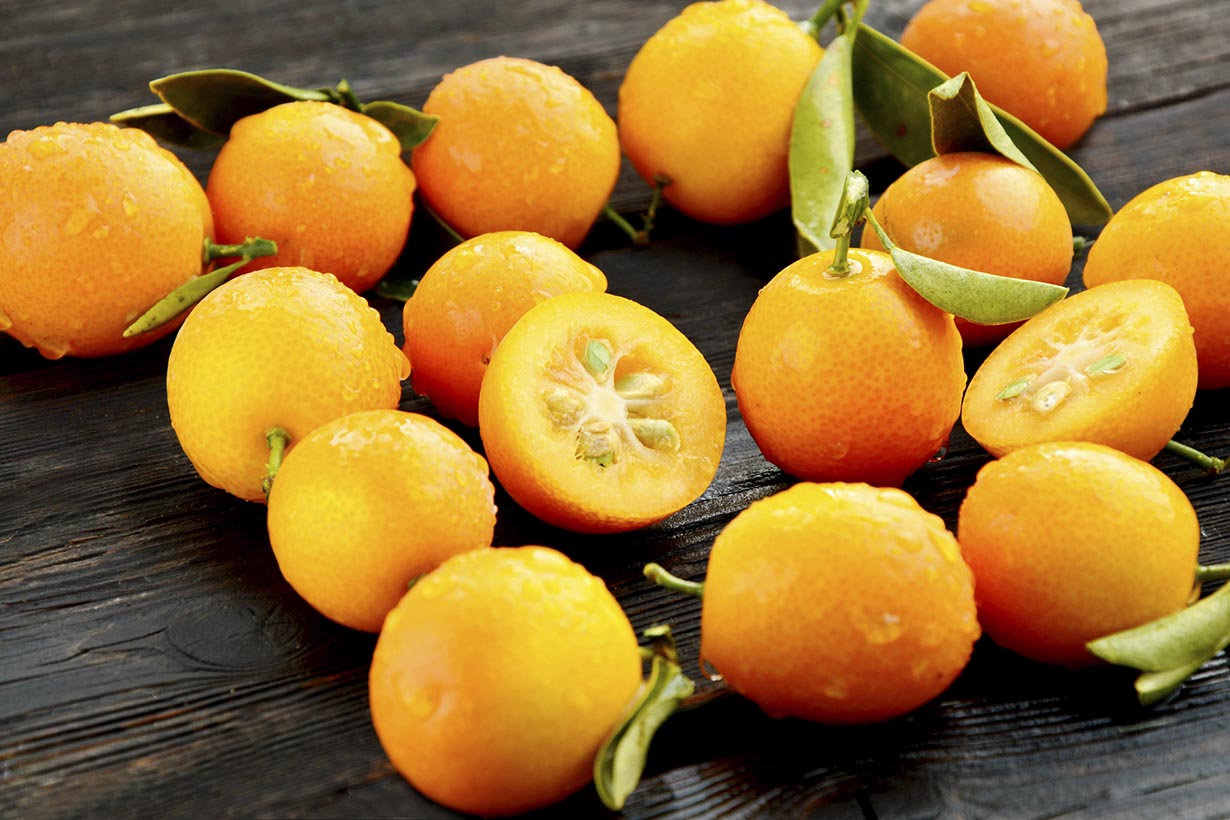
Avocados, tart citrus fruits, and berries have the highest fiber-to-sugar ratios: As you can see from the table, most of the fruits with the highest fiber-to-sugar ratios are avocado, berries, and tart citrus fruit. By tart, this means those fruits with the least sweet taste (and lowest sugar content) – lemons, limes, and kumquats are tarter than sweet oranges.
The Best Fruit Options For Fiber
As this article shows, there are plenty of different fruit choices that provide good amounts of fiber.
But the “best” option will specifically depend on what’s most important for you:
Highest total fiber: If you’re looking for the most fiber overall, then passion fruit, mamey sapote, raspberries, blackberries, and loganberries are all excellent options. These fruits provide the most fiber as typically eaten.
Best fiber density: For the most fiber per calorie, the best options are nearly the same as those for highest total fiber. However, lemons, limes, and gooseberries also have a high fiber-to-calorie density.
Most fiber, lowest sugar: To maximize fiber intake while keeping fruit sugar intake low, berries, avocados, and lemons and limes are among the top choices.
As with any dietary decision, personal preference is also important. Choosing foods you enjoy helps make healthy choices sustainable.
Learn More About These High-Fiber Fruits
Learn more about the nutritional properties of the high-fiber fruits featured in this article:
Michael works as a nutritionist in a community setting and holds a Master's degree in Clinical Nutrition. He is a Registered Associate Nutritionist (ANutr) with the Association for Nutrition (AfN), and has published peer-reviewed research.