Ketogenic diets are very-low-carb dietary patterns that have gained more attention over the last decade.
If you plan to start a ketogenic diet, understanding which foods are a suitable fit for the dietary pattern is essential for successful adherence.
With this in mind, this article provides a keto shopping list featuring the most suitable (i.e. low-carb-friendly) foods.
For each food, we present the total carbohydrate content and net carbs clearly.
Keto Shopping List
Below you will find a keto diet food list showing a variety of keto-friendly foods along with their carbohydrate content.
The data is shown in tables spread over ten different categories, including:
Dairy
Fruit
Meat
Nuts
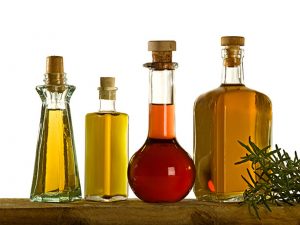
Oils and Fats
Poultry
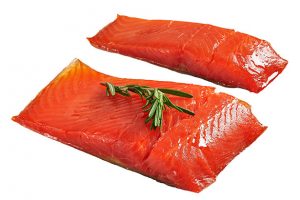
Seafood
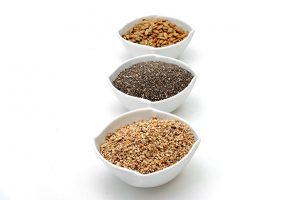
Seeds
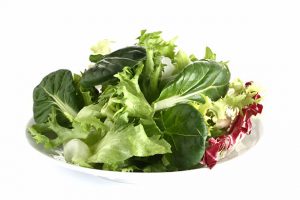
Vegetables
Everything else (such as sauces, snacks, and condiments)
About the Carb Count
For all foods, the carbohydrate data is presented per 100g raw weight, allowing you to make easy like-for-like comparisons.
This data includes ‘total carbs’ and ‘net carbs:’
Total carbs: This refers to the total amount of carbohydrates in the food in grams.
Net carbs: The ‘net carb’ data refers to the amount of non-fiber carbohydrates in the food — the carbs that are digested into glucose.
Please note that some foods can be high in carbohydrates but significantly lower in net carbs (such as cacao).
As a general guideline, it is thought that the upper limit of dietary carbohydrate intake to stay in nutritional ketosis is approximately 50 grams of carbohydrates per day.
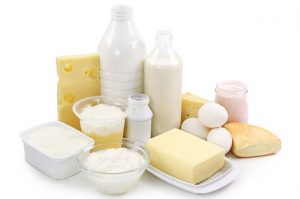
Most dairy foods are an excellent choice for a keto diet, at least in terms of their low-carbohydrate content.
However, some dairy foods may still need to be limited. For example, while milk is a nutrient-rich option, it contains approximately 5 grams of lactose—or milk sugar—per 100 ml.
Two standard cups of milk a day would provide nearly 25 grams of carbohydrates, before accounting for any other foods in the diet.
In other words, moderation is required with milk for individuals adhering to a strict ketogenic diet.
Food name
Total carbs per 100g
Net carbs per 100g
Butter
0.1g
0.1g
Cheese (hard, Parmesan)
3.2g
3.2g
Cheese (medium hard, Cheddar)
1.3g
1.3g
Clotted cream
2.0g
2.0g
Cottage cheese
3.4g
3.4g
Cream cheese
4.0g
4.0g
Ghee
0.4g
0.4g
Greek yogurt
4.0g
4.0g
Heavy cream
2.8g
2.8g
Kefir
5.0g
5.0g
Milk (whole)
5.0g
5.0g
Quark
4.0g
4.0g
Sour cream
4.0g
4.0g
Table 1: Keto-friendly dairy foods with their total carbohydrate and net carbohydrate data per 100g
Key point: The best keto-friendly dairy foods are pure fats and hard cheeses.
Fruit
Technically, you can eat any fruit you want on a ketogenic diet if you’re watching your total carbohydrate intake.
However, it’s better to focus on lower-sugar fruits that are more suitable for this dietary pattern.
Some good examples are below.
Food name
Total carbs per 100g
Net carbs per 100g
Avocado
9.0g
2.0g
Blackberries
10.0g
5.0g
Blueberries
14.5g
12.4g
Cloudberries
12.2g
7.6g
Elderberries
18.4g
11.4g
Gooseberries
10.2g
5.9g
Lemon
9.3g
6.5g
Lime
11.0g
8.0g
Olives (black)
6.3g
3.1g
Olives (green)
4.0g
1.0g
Raspberries
11.9g
5.4g
Rhubarb
4.5g
2.7g
Salmonberries
10.1g
8.2g
Strawberries
7.7g
5.7g
Tomatoes
3.9g
2.7g
Table 2: Keto-friendly fruits with their total carbohydrate and net carbohydrate data per 100g
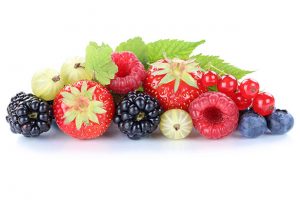
As you can see, berries and fatty fruits (avocado and olives) dominate the table.
One important point to remember when planning your keto shopping list is that carbohydrates are not “bad”. There should be no fear of carbohydrates in foods like fruit and vegetables.
However, while these foods can be perfectly healthy choices, they may not be the right fit specifically for a very low-carb ketogenic diet. In other words, when following a diet that restricts carbohydrate intake to such low levels, it is important to choose those carbohydrates wisely.
For instance, a cup of cooked white rice has approximately 37 grams of carbohydrates, and it isn’t particularly nutrient-rich. On the other hand, foods like avocado and berries contain a very small carbohydrate load but also a wide range of vitamins and minerals.
Key point: While all fruit can fit into a carefully planned ketogenic diet, the most keto-friendly fruits are avocado, olives, tomatoes, rhubarb, and blackberries.
Meat
Meat is not a significant source of carbohydrates; here is the carbohydrate content for a range of meat products:
Food name
Total carbs per 100g
Net carbs per 100g
Bacon
1.5g
1.5g
Beef
0g
0g
Bison
0g
0g
Ham
0g
0g
Lamb meat
0g
0g
Liver (pork)
2.47g
2.47g
Mutton
0g
0g
Pork
0g
0g
Prosciutto
0.3g
0.3g
Salami
3.8g
3.8g
Sausage, Italian, raw
2.97g
2.97g
Venison
0g
0g
Table 3: Meat options and their total carbohydrate and net carbohydrate content per 100g. Note: the carbohydrate content of different sausage varieties may vary depending on ingredients.
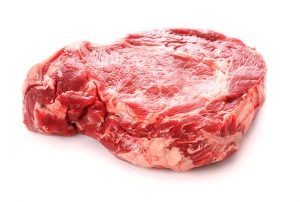
Key point: Meat typically has no carbohydrates, so most meat products can fit into a ketogenic diet.
Nuts
There are many types of nuts to choose from, and not all of them are low in carbohydrates. In fact, some nuts—such as cashews—have quite a high carbohydrate load.
However, nuts are a nutrient-rich food that provide a broad range of vitamins and minerals, and they’re a healthy choice for a keto shopping list.
Food name
Total carbs per 100g
Net carbs per 100g
Almonds
21.7g
9.5g
Brazil nuts
12.3g
4.8g
Hazelnuts
16.7g
7.0g
Macadamia nuts
14.2g
5.6g
Peanuts
16.1g
7.6g
Pecans
14.0g
4.4g
Pine nuts
13.1g
9.4g
Walnuts
13.7g
7.0g
Table 4: Nut options and their total carbohydrate and net carbohydrate content per 100g
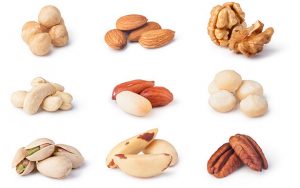
Key point: All nuts offer good nutritional value, but those with the lowest carbohydrate levels include Brazil nuts, pecans, and macadamia nuts, making them the most suitable for a strict ketogenic diet.
Oils and Fats
Regarding fats and oils, the first thing to remember is that just because a certain food is “ketogenic” doesn’t necessarily make it healthy.
In this context, it can be wise to limit the amount of added fats to the diet from butter and oils, since they can add a significant amount of fat and calories and very few vitamins and minerals.
That said, here is a list of some oils and fats with their (typically zero) carbohydrate content.
Food name
Total carbs per 100g
Net carbs per 100g
Avocado oil
0g
0g
Butter
0.1g
0.1g
Canola oil
0g
0g
Coconut oil
0g
0g
Extra virgin olive oil
0g
0g
Ghee
0g
0g
Goose fat
0g
0g
Grapeseed oil
0g
0g
Lard
0g
0g
Palm oil
0g
0g
Rice bran oil
0g
0g
Sesame oil
0g
0g
Soybean oil
0g
0g
Sunflower oil
0g
0g
Tallow
0g
0g
Table 5: Oils and fats with their total carbohydrate and net carbohydrate content per 100g
Key point: There are many oils and fats that are a perfect fit for a ketogenic diet. However, it is important to be prudent with intake levels since they are very high in fats and calories without significant nutritional value.
Plant-Based Proteins
A ketogenic diet doesn’t need to include animal foods, and there are a wide range of plant-based options with a low carbohydrate content.
Here are some of the best plant-based proteins for a keto diet:
Food name
Total carbs
Net carbs
Edamame (frozen)
7.6g
2.8g
Firm tofu
2.8g
0.5g
Hemp protein powder
41.9g
6.4g
Nutritional yeast
31.1g
13.4g
Pea protein powder
5.0g
0g
Regular tofu
1.9g
1.6g
Soy milk (unsweetened)
1.3g
0.8g
Soy protein isolate
0g
0g
Tempeh
7.64g
—
Table 6: Keto-friendly plant-based proteins with their total carbohydrate and net carbohydrate content per 100g
Some of these plant-based proteins—such as hemp protein powder and nutritional yeast—have a moderately high total carbohydrate content. However, they are also high in fiber, resulting in a low content of net carbs.
Key point: There are numerous plant-based proteins that can go on your keto shopping list. Some of the lowest-carb options include tofu, soy milk, and soy protein powder.
Poultry and Eggs
Poultry is high in protein, provides a wide range of beneficial vitamins and minerals, and contains no carbohydrates.
Eggs are another food that contain minimal carbohydrate levels.
Food name
Total carbs per 100g
Net carbs per 100g
Chicken
0g
0g
Duck
0g
0g
Eggs
0.7g
0.7g
Goose
0g
0g
Turkey
0g
0g
Quail
0g
0g
Table 7: Poultry options and their total carbohydrate and net carbohydrate content per 100g
Seafood
Seafood is not a significant source of dietary carbohydrates, so all fish and shellfish can be suitable for a ketogenic diet.
Fish
Here is the carbohydrate content for some common edible fish:
Food name
Total carbs per 100g
Net carbs per 100g
Anchovy
0g
0g
Bream
0g
0g
Carp
0g
0g
Catfish
0g
0g
Cod
0g
0g
Eel
0g
0g
Flounder
0g
0g
Halibut
0g
0g
Herring
0g
0g
Mackerel
0g
0g
Sardines
0g
0g
Salmon
0g
0g
Swordfish
0g
0g
Tilapia
0g
0g
Trout
0g
0g
Tuna
0g
0g
Table 8: Common fish options and their total carbohydrate and net carbohydrate content per 100g
Note: While all of these fish are suitable for a ketogenic diet, some—such as swordfish and some some species of tuna—contain high levels of a heavy metal called mercury. For this reason, joint advice from the EPA and FDA provides information on the best fish choices and ‘choices to avoid’ for children, and women who are pregnant or breastfeeding.
Shellfish and Other Seafood
Unlike fish, shellfish docontain carbs, but only in very low amounts.
Shellfish are also highly nutritious, providing high levels of protein and essential vitamins and minerals.
Here is the typical carbohydrate content for common shellfish and seafood options:
Food Name
Total carbs per 100g
Net carbs per 100g
Abalone
6.0g
6.0g
Clams
2.6g
2.6g
Cockles
4.7g
4.7g
Crab
0g
0g
Lobster
0.5g
0.5g
Mussels
3.7g
3.7g
Octopus
2.2g
2.2g
Oysters
3.9g
3.9g
Scallops
0.8g
0.8g
Sea squirt
2.2g
2.2g
Shrimp
0.9g
0.9g
Squid
3.1g
3.1g
Table 9: Common shellfish and other seafood and their total carbohydrate and net carbohydrate content per 100g
Key point: All seafood is nutrient-rich and contains very little carbohydrate. However, consumption of high-mercury species should be limited as per public health guidelines.
Seeds
Seeds are interesting nutritionally in that they contain large amounts of fat, but also a moderate amount of carbohydrate.
However, as you can see from the table below, the majority of the carbohydrate they contain is fiber, making them lower in ‘net carbs.’
Food name
Total carbs per 100g
Net carbs per 100g
Chia seeds
43.8g
6.1g
Flaxseeds
28.9g
1.6g
Hemp seeds
12.0g
5.0g
Pumpkin seeds
17.8g
14.9g
Sesame seeds
23.4g
11.6g
Sunflower seeds
20.0g
11.4g
Table 10: Common seed options and their total carbohydrate and net carbohydrate content per 100g
Key point: Seeds are high in fat and contain a large amount of carbohydrates from fiber. Since they are exceedingly low in net carbs per typical serving (1 oz/28g) they can fit perfectly on a keto shopping list.
Vegetables
There are hundreds of vegetables that are compatible with a ketogenic diet.
Generally speaking, for the purpose of a ketogenic diet, it is better to emphasize higher quantities of vegetables like leafy greens, as they contain minimal amounts of carbohydrates. In addition, leafy greens are extremely nutrient-rich, providing fiber and high levels of several essential minerals, such as vitamin C and potassium.
While starchy vegetables such as potatoes and sweet potatoes do offer valuable nutrients, their higher carbohydrate levels make them less suitable for a ketogenic diet.
Here are some of the lowest carbohydrate common vegetables:
Food name
Total carbs per 100g
Net carbs per 100g
Artichoke
10.5g
5.1g
Asparagus
3.9g
1.8g
Beets
13.0g
9.2g
Bell pepper
6.3g
4.2g
Bok choy
2.2g
1.2g
Broccoli
7.0g
4.0g
Brussels sprouts
9.0g
5.0g
Cabbage
5.8g
3.3g
Cauliflower
5.2g
2.8g
Celery
3.0g
1.0g
Chives
4.4g
1.9g
Cucumber
3.6g
3.1g
Eggplant
6.0g
3.0g
Garlic
33.0g
31.0g
Green onion
7.3g
4.7g
Kale
10.0g
8.0g
Kohlrabi
6.2g
2.6g
Leek
14.2g
12.4g
Mushroom, white button
3.3g
2.3g
Napa cabbage
3.9g
2.6g
Okra
7.0g
3.8g
Radish
3.0g
2.0g
Romaine lettuce
3.3g
1.2g
Red onion
9.0g
7.0g
Rutabaga
8.0g
5.0g
Spaghetti squash
6.5g
5.1g
Spinach
3.6g
1.4g
Turnip
6.4g
4.6g
Yellow onion
9.0g
7.0g
Zucchini
3.0g
2.0g
Table 11: Keto-friendly vegetable options with their total carbohydrate and net carbohydrate content per 100g
Note: While garlic is high in carbohydrates per 100g, it is typically served in small serving sizes, making it compatible with a ketogenic diet.
Key point: While there’s a range of vegetables that qualify as keto-friendly groceries, leafy greens typically offer the lowest carbohydrate content.
Condiments, Sauces, and Snacks
As many of these foods are commercial products, please keep in mind that their nutritional values may change depending on the specific product and its ingredients.
However, each of these options is relatively low in carbohydrates per typical serving.
The following table shows some keto-friendly condiments, sauces, and snacks alongside their carbohydrate content per 100g:
Food name
Total carbs per 100g
Net carbs per 100g
Almond butter
21.2g
17.5g
Beef jerky
0g
0g
Cacao nibs
37.5g
3.6g
Cocoa powder
57.9g
24.7g
Coconut chips
25.0g
7.0g
Dark chocolate, 85% cocoa
35.7g
21.4g
Kimchi
7.0g
6.2g
Peanut butter, chunky
22.0g
14.0g
Pork rinds
0g
0g
Salsa
7.0g
6.0g
Sauerkraut
5.0g
2.0g
Tamari soy sauce
6.0g
5.0g
Tomato paste
19.0g
15.0g
Whey protein
17.6g
14.1g
Wholegrain mustard
10.0g
10.0g
Table 12: Keto-friendly condiments, sauces, and snacks with total carbohydrate and net carbohydrate content per 100g
Key point: A keto shopping list has room for condiments, sauces, and snacks. However, nutritional data for processed foods can change depending on the specific product’s ingredients, so check the nutritional label carefully.
Final Thoughts
All in all, ketogenic diets are one of the most restrictive dietary patterns, which can necessitate cutting out numerous nutrient-rich foods. However, a wide range of nutrient-rich foods can still fit into a ketogenic diet plan.
If starting a ketogenic diet for the first time, ensure you discuss it with your healthcare provider—particularly if the diet is for medical reasons.
For more information on ketogenic diets, see this guide to nutritional ketosis.
Michael works as a nutritionist in a community setting and holds a Master's degree in Clinical Nutrition. He is a Registered Associate Nutritionist (ANutr) with the Association for Nutrition (AfN), and has published peer-reviewed research.