This article explores the characteristics of prosciutto, a traditional Italian cured meat.
As part of this, we’ll explain precisely what prosciutto is and summarize its nutritional benefits, such as its high protein content and provision of essential micronutrients.
We’ll also look at its potential drawbacks, which include its sodium and potential nitrate content.
Table of contents
What is Prosciutto?

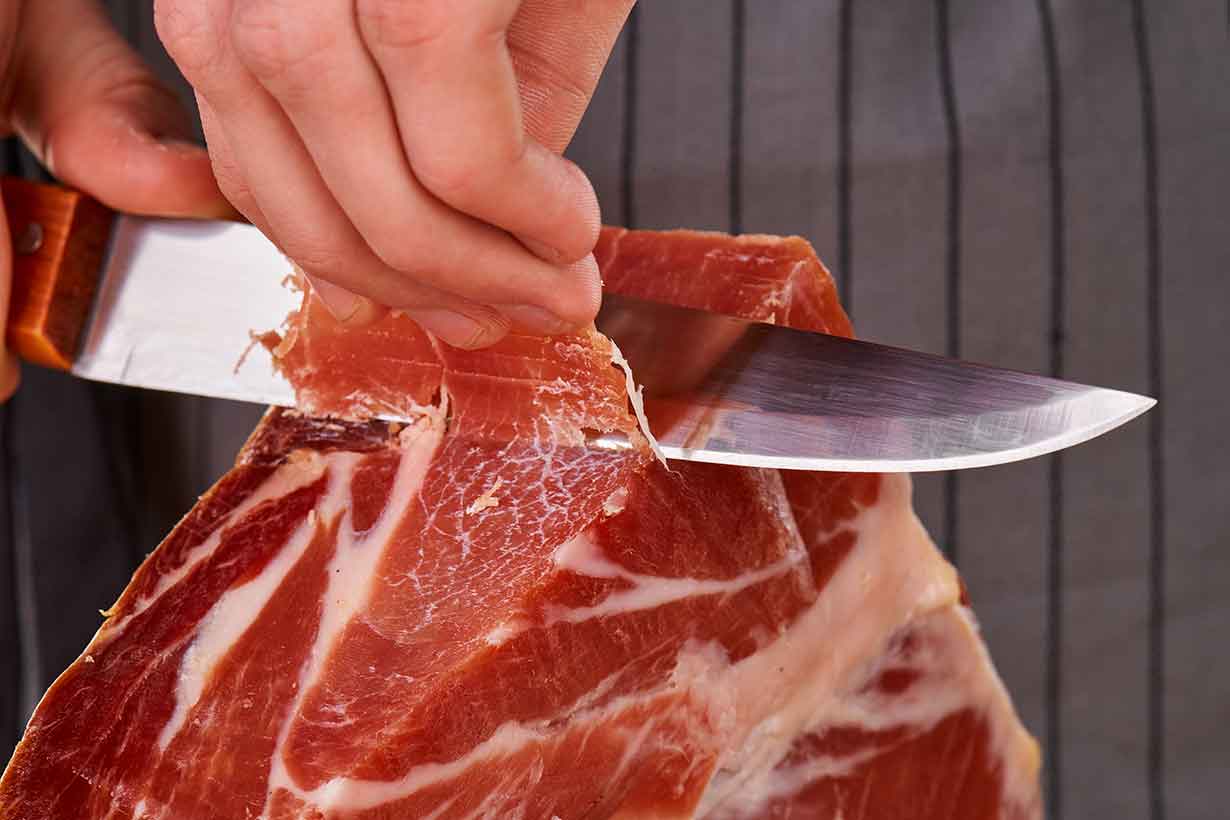
Unlike meats such as bacon, prosciutto is a raw, cured ham made from pork leg.
The first recorded mention of the ham came in 100 B.C in a small Italian town called Parma.
Prosciutto is a popular cold cut and deli meat, and it pairs well with foods such as cheese and high-moisture fruits like melon and grapes.
Due to the lengthy and complex production process involved in making prosciutto, it tends to be priced slightly higher than most deli meats.
The price somewhat depends on the variety of the ham, and there are several different types of prosciutto. Perhaps the most famous of these is prosciutto di Parma which has a protected designation of origin (PDO).
How is Prosciutto Made?

The official website of prosciutto di Parma lists the six stages involved in making prosciutto. These include:
- Salting: The pork leg is fully coated with salt.
- Absorption: The prosciutto is stored in a temperature-controlled room for 70 days to absorb the salt properly.
- Washing: Once the 70 days are completed, the prosciutto goes through a washing phase, where the meat is cleansed with warm water, removing any excess salt.
- Drying: The prosciutto is moved to a large room with good ventilation and large windows that allow sunlight in. These drying conditions are said to be important for the gradual flavor development of the prosciutto, taking approximately three months.
- Layering: A paste typically made with a combination of lard, salt, and pepper is rubbed into the surface of the ham.
- Quality inspection: Shortly after one year of production, there is a quality assessment undertaken by an independent expert with a device known as a ‘horse bone needle.’ During this inspection, the inspector makes small holes in different areas of the prosciutto to smell the meat, attempting to identify any spoilage signs or indicators of any potential issues. Note: prosciutto doesn’t always take one year to produce, and some premium prosciutto products may take longer than two years.
Prosciutto Has a Long History

Prosciutto di Parma is arguably the most famous prosciutto product. However, different regions in Italy have their own version of prosciutto with distinct standards.
In fact, there are ten different prosciutto varieties with their own EU protected designation of origin (PDO) status. These include products such as prosciutto di Parma, prosciutto di San Daniele, and prosciutto toscano.
Despite each having a similar production process, they all have slightly different tastes and textures. This difference is due in large part to the distinct diets the pigs used to make prosciutto feed on.
Nutritional Profile of Prosciutto
Based on prosciutto nutritional data from the USDA’s FoodData Central database, here are the typical nutritional values for prosciutto.
These nutritional data are presented per 100g and per 9.2g thin slice, with percent daily values (% DV) based on a typical 2,000 calorie diet.
Calories and Macronutrients
| Nutrient | Per 100g (% DV) | Per 9.2g slice (% DV) |
|---|---|---|
| Calories | 195 kcal | 18 kcal |
| Carbohydrates | 0.3g (<1% DV) | 0.03g (<1% DV) |
| Fiber | 0g | 0g |
| Sugars | 0g | 0g |
| Fat | 8.32g (11%) | 0.77g (1%) |
| Saturated fat | 2.78g (14%) | 0.26g (1%) |
| Monounsaturated fat | 3.82g | 0.35g |
| Polyunsaturated fat | 0.97g | 0.09g |
| Omega-3 | 0.09g | 0.01g |
| Omega-6 | 0.88g | 0.08g |
| Protein | 27.8g (56%) | 2.56g (5%) |
| Cholesterol | 70 mg (23%) | 6 mg (2%) |
Vitamins
| Vitamin | Per 100g (% DV) | Per 9.2g slice (% DV) |
|---|---|---|
| Vitamin A (RAE) | 0 mcg (0%) | 0 mcg (0%) |
| Vitamin C | 0 mg (0%) | 0 mg (0%) |
| Vitamin D | 0.9 mcg (5%) | 0.08 mcg (<1%) |
| Vitamin E | 0.28 mg (2%) | 0.03 mg (<1%) |
| Vitamin K | 0 mcg (0%) | 0 mcg (0%) |
| Thiamin (B1) | 0.57 mg (48%) | 0.05 mg (4%) |
| Riboflavin (B2) | 0.24 mg (18%) | 0.02 mg (2%) |
| Niacin (B3) | 3.88 mg (24%) | 0.36 mg (2%) |
| Pantothenic acid (B5) | — | — |
| Vitamin B6 | 0.42 mg (25%) | 0.04 mg (2%) |
| Folate (B9) | 5 mcg (1%) | 0.46 mcg (<1%) |
| Vitamin B12 | 0.88 mcg (37%) | 0.08 mcg (3%) |
| Choline | 106 mg (19%) | 9.71 mg (2%) |
Minerals
| Mineral | Per 100g (% DV) | Per 9.2g slice (% DV) |
|---|---|---|
| Calcium | 10 mg (1%) | 0.92 mg (<1%) |
| Iron | 1.11 mg (6%) | 0.10 mg (1%) |
| Magnesium | 25 mg (6%) | 2.3 mg (1%) |
| Phosphorus | 318 mg (25%) | 29.3 mg (2%) |
| Potassium | 510 mg (11%) | 46.9 mg (1%) |
| Sodium | 2700 mg (117%) | 248 mg (11%) |
| Zinc | 2.81 mg (26%) | 0.26 mg (2%) |
| Copper | 0.11 mg (12%) | 0.01 mg (1%) |
| Manganese | — | — |
| Selenium | 25.8 mcg (47%) | 2.37 mcg (4%) |
Nutritionist’s Note
- Fat and protein: Prosciutto is primarily a source of protein and fat, with the fat content mainly coming from saturated and monounsaturated fat. However, it provides a relatively small amount of both fat and protein per slice.
- Prosciutto is a rich source of micronutrients: Like most meat products, you’ll notice that prosciutto contains high levels of B vitamins, phosphorus, zinc, and selenium per 100 grams.
- Serving size matters: When considering the nutrient provision, remember that typical prosciutto servings are by the slice. In other words, the amount of these vitamins and minerals that prosciutto provides ‘per 100 grams’ doesn’t represent typical real-world consumption.
- Be aware of the sodium content: Due to its production process, prosciutto has a naturally high salt content. With over 100% of the daily value for sodium per 100g and more than 10% for each slice, larger servings of prosciutto can easily lead to sodium overconsumption. Individuals following a low-sodium diet and people with salt-sensitivity hypertension should limit prosciutto intake or consult with their healthcare provider.
Potential Drawbacks
The main potential downsides of prosciutto relate to its sodium content and its potential use of nitrates and nitrites as ingredients.
Nitrates and Nitrites
While not all prosciutto contains them, manufacturers often add preservatives to prosciutto known as nitrates and nitrites.
Nitrates and nitrites help to preserve the meat, reducing the risk of bacterial contamination. Additionally, they aid in flavor and create the appetizing pink color that most processed meats exhibit.
However, the International Agency for Research on Cancer (IARC), which is part of the World Health Organization (WHO), has classified nitrates and nitrites as ‘probably carcinogenic to humans.’
This is because these compounds can potentially convert to nitrosamines in the human body, which are known to be carcinogenic. IARC has also classified processed meat as a ‘known carcinogen’ due to consistent research linking it to a higher associated risk of specific cancers.
However, one important point here is that not all prosciutto products contain nitrates or nitrites.
Some prosciutto products with a protected designation of origin (PDO), such as prosciutto di Parma, only use pork and salt and don’t allow preservatives to be used in products bearing the name.
While these prosciutto products are still processed meats, they don’t contain nitrates or nitrites.
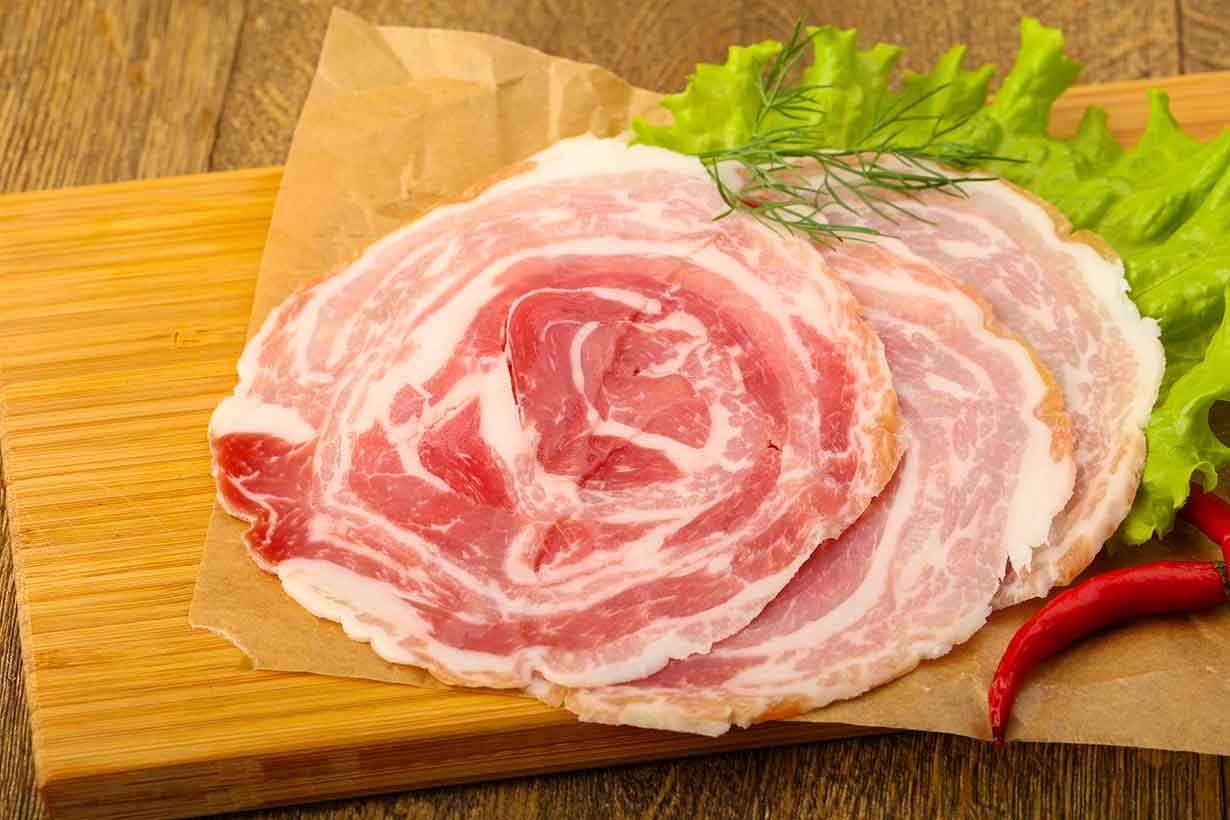
Also, it is worth noting that the use of nitrates and nitrites is not distinct to prosciutto. These preservatives are commonly used in a wide range of cured meats, including popular products like chorizo.
High in Sodium
As previously mentioned, prosciutto contains a large amount of sodium due to the high amounts of salt used in its production.
While the daily value for sodium set by the FDA is 2300 mg, 100 grams of prosciutto provides a significant 2700 mg. Even a 9-gram thin slice of prosciutto contains 243 mg of sodium — 11% of the daily value.
Lowering (high) sodium intake has long been part of dietary advice, since higher amounts of sodium in the blood can increase blood pressure, particularly when potassium intake is low.
Additionally, some recent studies have confirmed the potentially negative effects of over-consuming salt:
- According to a 2025 systematic umbrella review, high salt intake is associated with an increased risk of cardiovascular disease, high blood pressure, and stroke. The review found that each additional daily gram of salt was associated with a 4% increased risk of cardiovascular disease.
- A 2025 systematic review of 43 randomized controlled trials found a “graded association” between high intakes of salt and higher blood pressure, with lower intakes being associated with larger reductions in blood pressure.
Since it has high sodium levels, consuming large amounts of prosciutto may contribute to exceeding recommended intake levels.
How To Eat Prosciutto
Should you have some prosciutto and a distinct lack of ideas over what to do with it, here are ideas for inspiration:
- Mature Cheddar-wrapped prosciutto: Cut some pieces of mature cheddar into stick shapes, and wrap them with a slice of prosciutto.
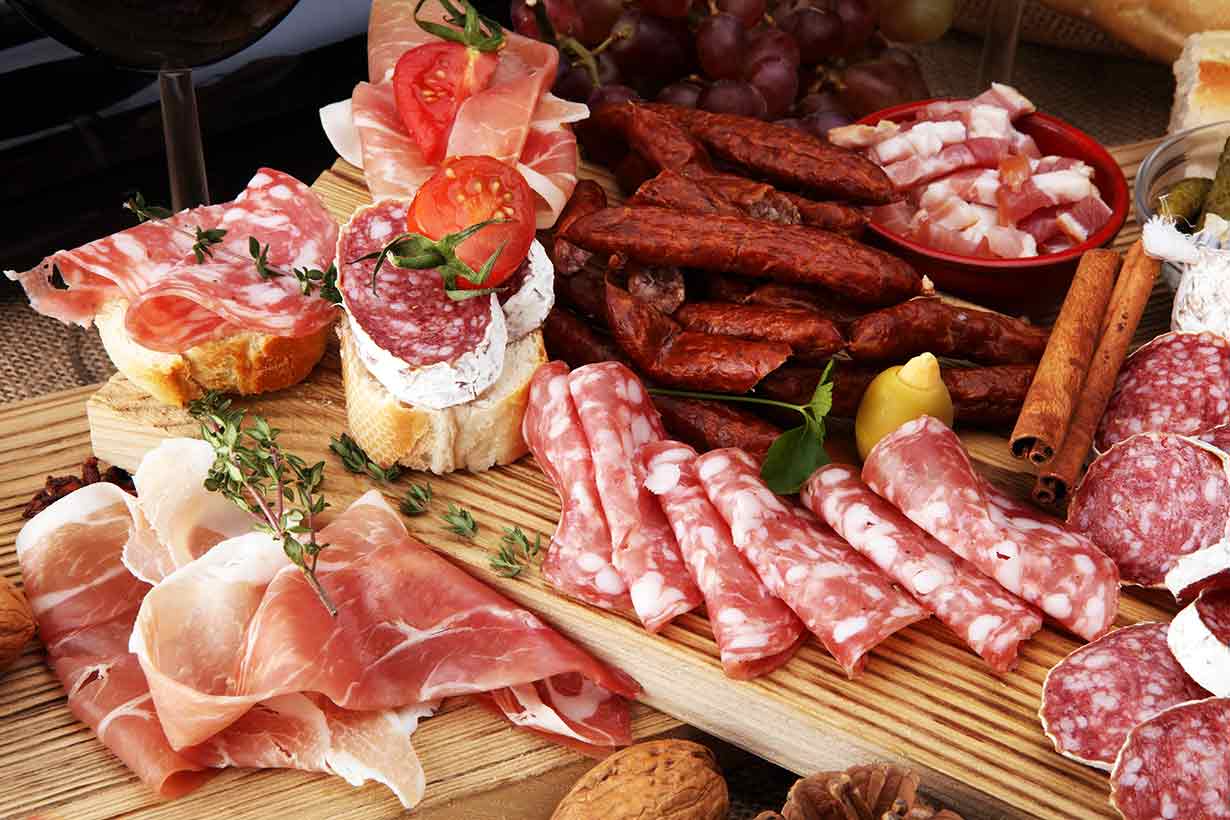
- Antipasto: Make a plated selection of finger food including dry-cured meats like prosciutto, pancetta, and salami, and fill the plate with cheese, olives, bell peppers, and fruits like grapes and chopped melon.
- Toasted rye bread with prosciutto: Spread some guacamole, hummus, or cream cheese on a slice of crisp toasted rye bread and top with a slice of prosciutto.
- Prosciutto-wrapped avocado slices: Cut an avocado into slices and wrap each piece with a slice of prosciutto.
- Prosciutto and Asparagus: Cook some asparagus spears and then wrap with prosciutto.
- Prosciutto Salad: Several slices of the cured ham, with leafy greens, olives, bell peppers, cherry tomatoes, lemon juice, white wine vinegar, salt, and olive oil.
Summary
As a cured ham product, prosciutto offers protein and a range of vitamins and minerals. That said, it can also be a source of nitrate and nitrite, and it contains high levels of sodium.
Prosciutto can fit into a healthy overall diet alongside nutrient-rich foods and a balanced sodium intake.
However, due to its high salt content, it is best to consume in moderation.
Related Articles
13 Types of Meat and Their Nutrition Profiles