15 Oily Fish High In Omega-3 Fatty Acids

While seafood is generally the best source of omega-3, not all varieties provide meaningful amounts.

Oily fish species provide the highest concentrations of this essential fat. However, many staple fish options in typical diets, such as cod, are low in omega-3.

To help you understand the best choices, this article presents a list of oily fish high in omega-3. We have included the amount of omega-3 per 100g (3.5 ounces) and per typical serving for each fish.

Unless otherwise stated, the USDA’s FoodData Central database is the source of all nutritional data, which is presented for cooked weight.

While the USDA only provides the individual amount for each of the omega-3 fatty acids found in the fish, we have calculated total omega-3 figures for your convenience.

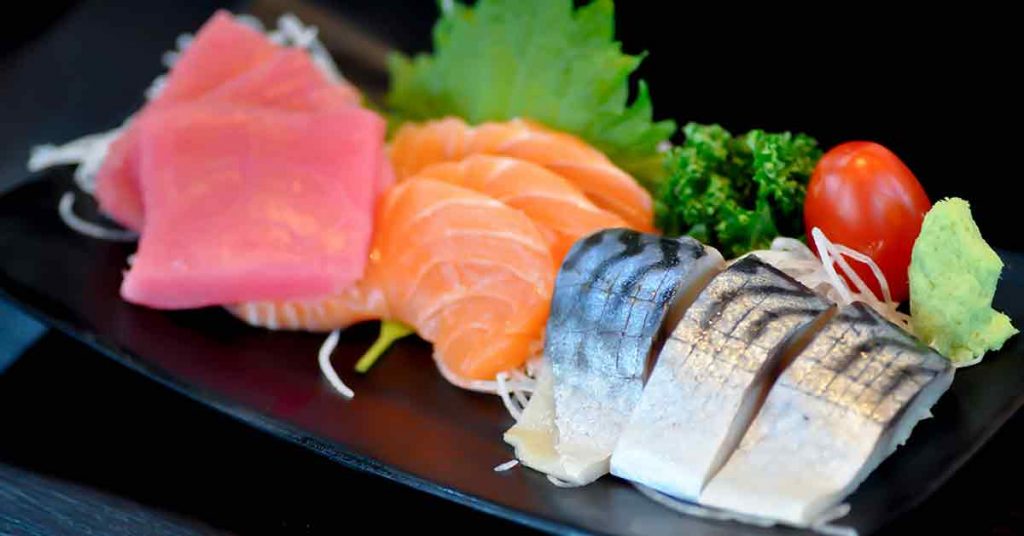
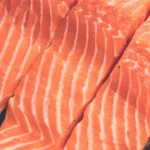
Various slices of raw oily fatty fish, including salmon, tuna, and mackerel.

1) Atlantic Mackerel

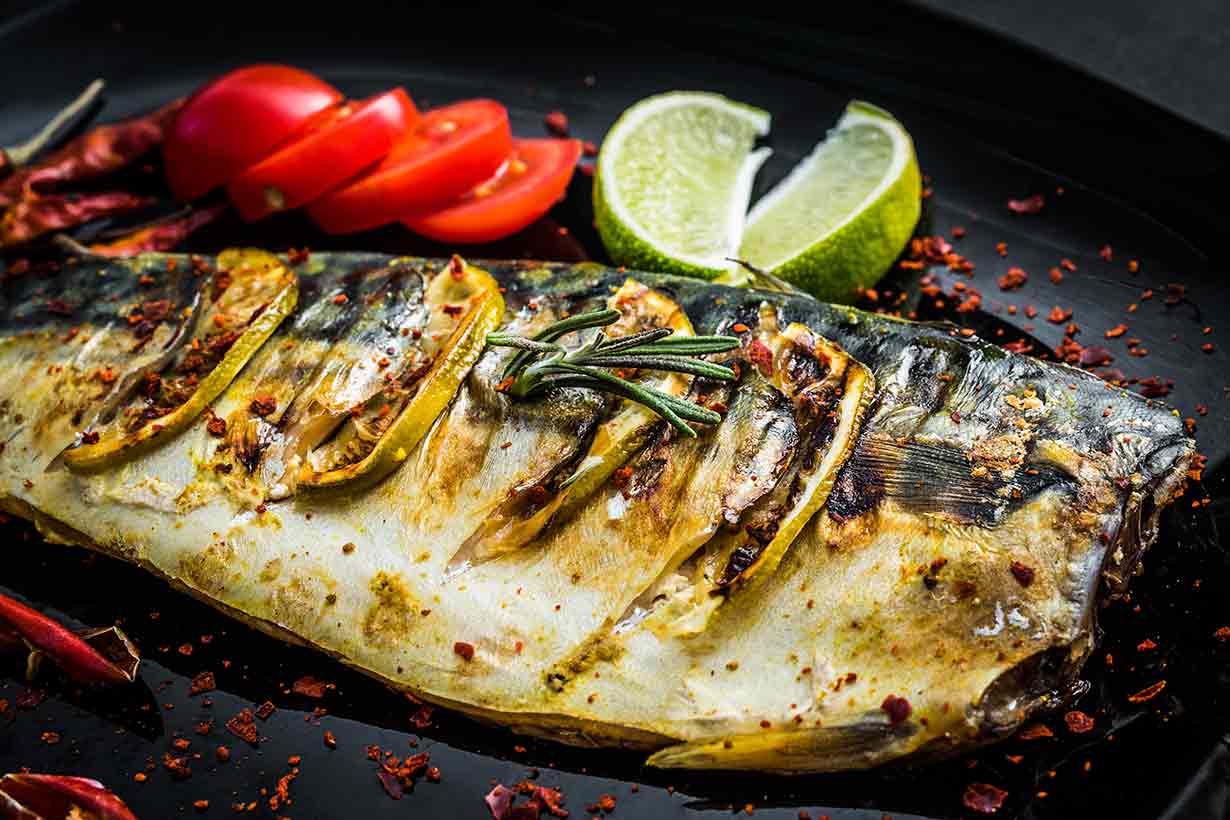
Cooked Atlantic Mackerel In an Oven Dish.
Omega-3 per 100gOmega-3 per 88g fillet
1,422 mg1,251 mg
Table 1: Typical omega-3 content of cooked Atlantic mackerel per 100g and per 88g fillet

Source: USDA – Fish, mackerel, Atlantic, cooked, dry heat

Mackerel is an oily fish that is available to buy fresh, frozen, or canned, typically offering 1,422 mg of omega-3 per 3.5 ounces (100 grams).

While all mackerel contains omega-3, Atlantic mackerel is also one of the lowest-mercury fish options.

2) Salmon

Omega-3 per 100gOmega-3 per 1/2 fillet (178g)
2,617 mg4,662 mg
Table 2: Typical omega-3 content of cooked Atlantic salmon per 100g and per 178g 1/2 fillet

Source: USDA – Fish, salmon, Atlantic, farmed, cooked

Per 100 grams, cooked Atlantic salmon provides 2,617 mg of omega-3 fatty acids.

Salmon is one of the most common oily fish, consumed either cooked or as sushi, sashimi, or smoked salmon.

There are many different types of salmon, each having a slightly different nutritional profile. However, we used farmed Atlantic salmon as it tends to have a higher absolute amount of omega-3.

3) Herring

Omega-3 per 100gOmega-3 per 143g fillet
2,486 mg3,553 mg
Table 3: Typical omega-3 content for cooked Atlantic herring per 100g and per 143g fillet

Source: USDA – Fish, herring, Atlantic, cooked

Atlantic herring typically provides 2,486 mg of omega-3 per 100g.

Herring is a nutrient-rich oily fish, offering high amounts of healthy fats, protein, and essential nutrients.

It also has the advantage of typically being more affordable than options such as salmon and tuna.

4) Sablefish

Omega-3 per 100gOmega-3 per 151g 1/2 fillet
2,271 mg3,430 mg
Table 4: Typical omega-3 content for cooked sablefish per 100g and per 151g 1/2 fillet

Source: USDA – Fish, sablefish, cooked

Cooked sablefish offers 2,271 mg of omega-3 per 100 grams.

5) Sardines (Canned)

Omega-3 per 100gOmega-3 per 75g can
1,605 mg1,204 mg
Table 5: Typical omega-3 content for canned sardines per 100g and per 75g can

Source: USDA – Fish, sardines, canned

Canned sardines typically contain 1,605 mg of omega-3 per 100 grams.

Sardines may be small, but they are packed with nutrition.

They are also available both fresh and canned, with canned fish being just as nutritious as fresh.

6) Anchovies

An Open Can of Anchovies.
Omega-3 per 100gOmega-3 per 45g can
2,189 mg985 mg
Table 6: Typical omega-3 content of canned anchovies per 100g and per 45g can

Source: USDA – Fish, anchovy, European, canned in oil, drained

Canned anchovies typically offer around 2,189 mg of omega-3 per 100 grams.

Learn more about anchovies here.

7) Fish Roe

Omega-3 per 100gOmega-3 per ounce (28.35g)
3,138 mg889 mg
Table 7: Typical omega-3 content of cooked fish roe (mixed species) per 100g and per ounce (28.35g) serving

Source: USDA – Fish, roe, mixed species, cooked

Based on USDA data, cooked fish roe of mixed species contains around 3,138 mg of omega-3 per 100 grams.

While not technically a fish, roe (fish eggs) is a nutrient-rich fish product.

As with different types of fish, the nutritional values of fish eggs can vary depending on the specific fish.

Learn more: Salmon Roe 101: Nutrition Facts and Health Benefits

8) Sprats

Omega-3 per 100gOmega-3 per 136g cup
1,380 mg1,870 mg
Table 8: Typical omega-3 content of cooked sprats per 100g and per 136g cup

Source: NCC Database – Cooked sprats (accessed through Cronometer)

According to the NCC database, cooked sprats provide 1,380 mg of omega-3 fatty acids per 100 grams.

Learn more about sprats: 7 Benefits of Sprats (and Full Nutrition Facts)

9) Swordfish

Omega-3 per 100gOmega-3 per 106g piece
1,108 mg1,174 mg
Table 9: Typical omega-3 content of cooked swordfish per 100g and per 106g piece

Source: USDA – Fish, swordfish, cooked

As well as being one of the largest fish, swordfish contains a significant dose of omega-3 fatty acids: 1,108 mg per 100 grams.

10) Tuna (Bluefin)

Omega-3 per 100gOmega-3 per 3 oz (85g)
1,713 mg1,457 mg
Table 10: Typical omega-3 content of cooked bluefin tuna per 100g and per three ounce (85g) serving

Source: USDA – Fish, tuna, fresh, bluefin, cooked

Tuna is one of the best dietary sources of omega-3, but there are many different species of tuna.

Bluefin tuna is one of the fattiest varieties, offering 1,713 mg of omega-3 per 100 grams.

As one of the most common cuts of sashimi, bluefin tuna is just as popular raw (in Japanese cuisine) as it is cooked.

For more on the nutritional values (and mercury content) of tuna, see this guide to the different types.

Note: Not all species of tuna are high in omega-3. See this nutritional comparison of salmon and tuna for more information:

Salmon vs. Tuna: a Complete Nutritional Comparison

11) Trout

Grilled Trout On a Plate With Lemon Slice and Herbs.
Omega-3 per 100gOmega-3 per 62g fillet
1,452 mg901 mg
Table 11: Typical omega-3 content of cooked trout per 100g and per 62g fillet

Source: USDA – Fish, trout, mixed species, cooked

Trout offers significant provisions of omega-3, providing 1,452 mg per 100 grams cooked.

12) Kippers

Omega-3 per 100gOmega-3 per 65g fillet
2,659 mg1,728 mg
Table 12: Typical omega-3 content of cooked kippers per 100g and per 65g fillet

Source: USDA – Fish, herring, Atlantic, kippered

Kippers provide 2,659 mg of omega-3 per 100-gram serving.

While kippers may look like a unique variety of fish, they are just fillets of herring prepared in a specific way.

This process involves cold-smoking kippers (herring fillets) over wood and then salting them: find out more about kippers here.

13) Striped Bass

Omega-3 per 100gOmega-3 per 124g fillet
986 mg1,223 mg
Table 13: Typical omega-3 content of cooked striped bass per 100g and per 124g fillet

Source: USDA – Fish, bass, striped, cooked

Among species of bass fish, striped bass offers more omega-3 than most with 986 mg per 100 grams.

14) Eel

Omega-3 per 100gOmega-3 per 159g fillet
838 mg1,333 mg
Table 14: Typical omega-3 content of cooked eel per 100g and per 159g fillet

Source: USDA – Fish, eel, mixed species, cooked

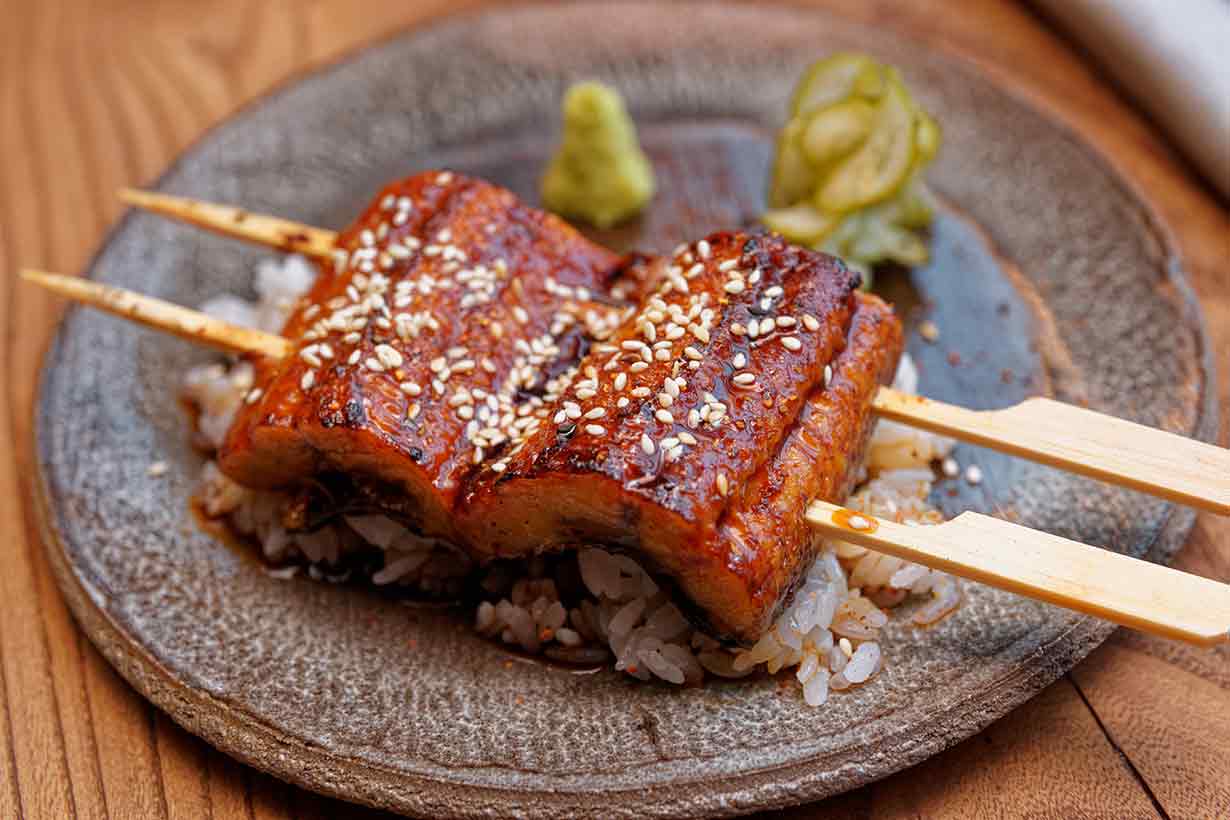
Although it looks a bit different to most fish, eel is a nutrient-rich fish with high levels of omega-3 – 838 mg per 100 grams.

15) Catfish

Omega-3 per 100gOmega-3 per 143g fillet
345 mg493 mg
Table 15: Typical omega-3 content of cooked catfish per 100g and per 143g fillet

Source: USDA – Fish, catfish, channel, wild, cooked

Catfish is quite low in omega-3 compared to the other oily fish listed in this guide, but it still provides more than most lean fish.

Per 100 grams, cooked catfish offers 345 mg of omega-3.

Ranking of Fish By Omega-3 Per 100 Grams

For a simple, at-a-glance view, the table below shows how each fish compares per 100-gram cooked serving.

RankName of fishOmega-3 per 100g
1Fish roe (mixed species)3,138 mg
2Kippers2,659 mg
3Atlantic salmon2,617 mg
4Atlantic herring2,486 mg
5Sablefish2,271 mg
6Canned anchovies2,189 mg
7Bluefin tuna1,713 mg
8Canned sardines1,605 mg
9Trout1,452 mg
10Atlantic mackerel1,422 mg
11Sprats1,380 mg
12Swordfish1,108 mg
13Striped bass986 mg
14Eel838 mg
15Catfish345 mg
Table 16: Popular fish species ranked for omega-3 content per 100 grams, in descending order, based on USDA data

Why Should We Consume Oily Fish?

While there are no specific recommendations on omega-3 intake from oily fish, the omega-3s found in seafood (EPA and DHA) are associated with cardiovascular benefits.

Due to the vast amount of positive research on omega-3, many public health organizations recommend including oily fish in the diet.

For instance, the American Heart Association recommends eating fish at least twice per week.” They specifically recommend seafood choices high in omega-3.

Note: Algae oil products are also an excellent source of bioavailable omega-3. For any vegans wanting to get the benefits of oily fish, algae oil is worth consideration. Learn more about different sources of omega-3 here.

Summary

For anyone wishing to increase their omega-3 levels, oily fish are the best source of bioavailable omega-3.

The options with the absolute highest amounts include salmon, kippers, herring, and fish roe. Equally important, the most affordable option is probably canned sardines.

All the above options also have the advantage of being low in mercury compared to larger fish like tuna, swordfish, and shark.

Want to learn more about what to eat for specific goals? See this article for more information:

What To Eat: Nutrition Tips for 5 Common Goals

Michael Joseph Hartley, MSc, ANutr, Nutritionist.

Michael Joseph, MSc, ANutr

Michael works as a nutritionist in a community setting and holds a Master's degree in Clinical Nutrition. He is a Registered Associate Nutritionist (ANutr) with the Association for Nutrition (AfN), and has published peer-reviewed research.