There are many different types of meat, and they can vary significantly in their fat, protein, and overall nutritional composition.
In general, meat is a type of food that provides a rich source of protein and a broad range of essential nutrients.
This article reviews the nutritional properties and characteristics of thirteen common varieties of meat, with links provided for a more comprehensive analysis of each meat.
Note: While exact nutritional profiles vary depending on the specific cut of meat, we have tried to compare all types of meat with like-for-like variants (like ‘ground meat’) where possible. The USDA’s FoodData Central database is the source of all nutritional data, which is provided ‘per 100g’ of raw weight for the fairest comparison.
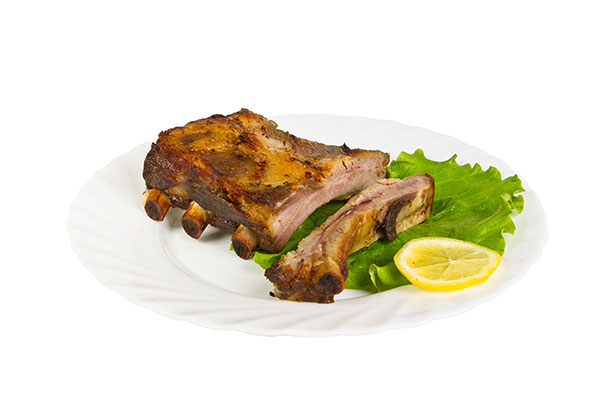
Pork is one of the most commonly consumed meats globally, and despite some confusion on the issue it is classed as red meat rather than white. This is because it contains a large amount of myoglobin, a protein responsible for the red color of meat.
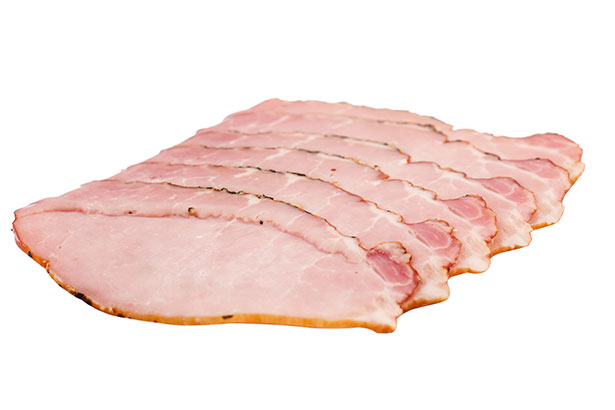
There are many different cuts of pork, and there is a broad range of pork-based processed meat products, including bacon, ham, and prosciutto.
Pork tends to be quite high in fat and saturated fat, and moderately high in protein. Here are the typical nutritional values for ground pork meat per 100g:
Nutrient
Amount
% Daily value
Calories
263 kcal
Carbohydrates
0g
0%
Fat
21.2g
27%
Saturated fat
7.87g
39%
Monounsaturated fat
9.44g
Polyunsaturated fat
1.91g
Protein
16.9g
34%
Cholesterol
72 mg
24%
Table 1: Basic nutritional values for raw ground pork per 100g
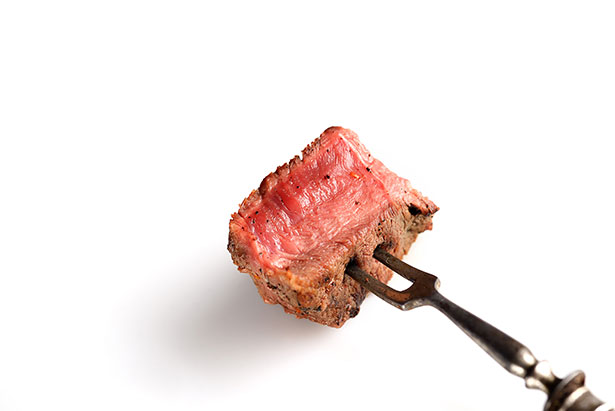
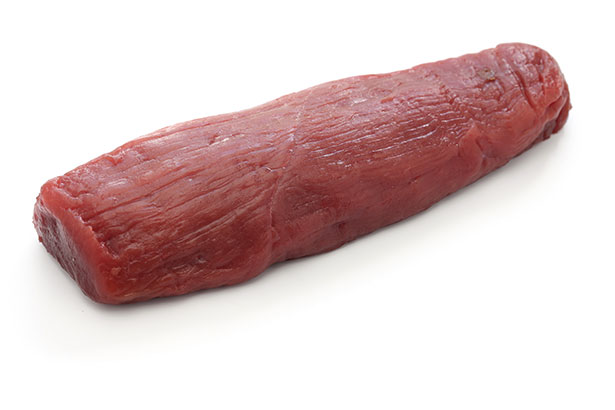
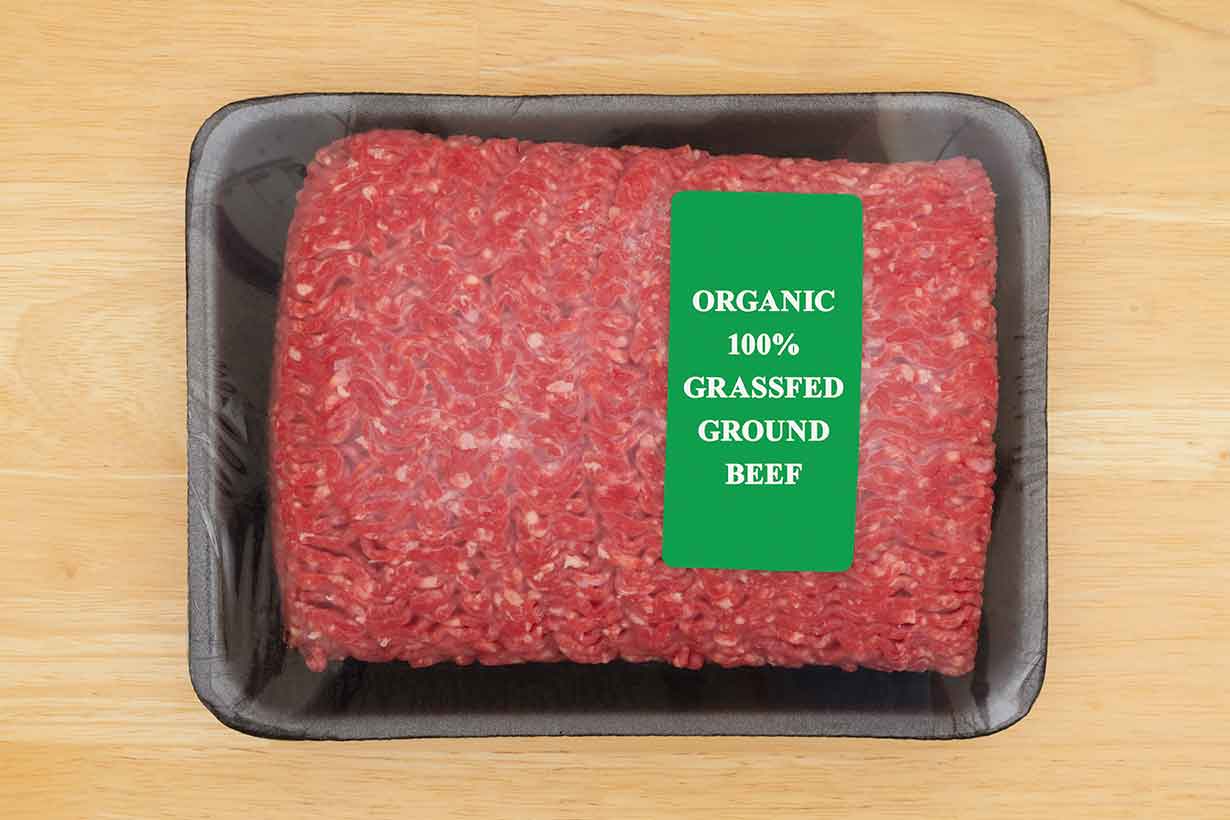
When most people think of red meat, they probably imagine beef. There are many different beef products and cuts of beef, ranging from hamburgers to ribeye steaks.
Here is the typical nutritional profile for 100 grams of 80% lean raw ground beef.
Nutrient
Amount
% Daily Value
Calories
254 kcal
Carbohydrates
0g
0%
Fat
20g
26%
Saturated fat
7.58g
38%
Monounsaturated fat
8.85g
Polyunsaturated fat
0.52g
Protein
17.2g
34%
Cholesterol
71 mg
24%
Table 2: Basic nutritional values for 80% lean raw ground beef per 100g
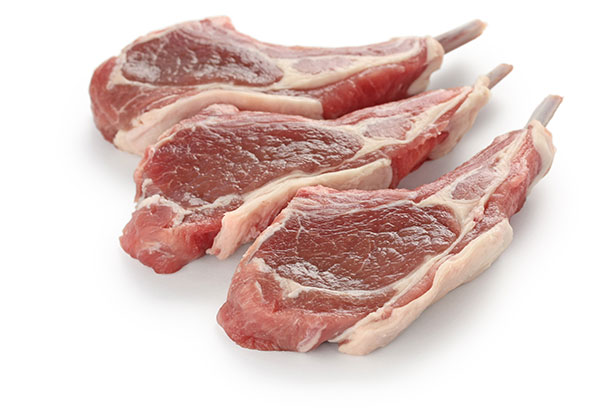
Lamb and mutton are similar types of meat, with one fundamental difference – age:
Lamb is from a sheep less than one year old
Mutton is the meat of an adult sheep typically over two years old
Lamb is significantly more expensive than mutton, and it is often more expensive than common cuts of pork and beef.
Just like beef and pork, there are a variety of popular lamb cuts. However, to keep the comparisons in this guide fair, here are the nutritional properties of ground lamb per 100g:
Nutrient
Amount
% Daily value
Calories
282 kcal
Carbohydrates
0g
0%
Fat
23.4g
30%
Saturated fat
10.2g
51%
Monounsaturated fat
9.6g
Polyunsaturated fat
1.85g
Protein
16.6g
33%
Cholesterol
73 mg
24%
Table 3: Basic nutritional values for lamb meat per 100g raw
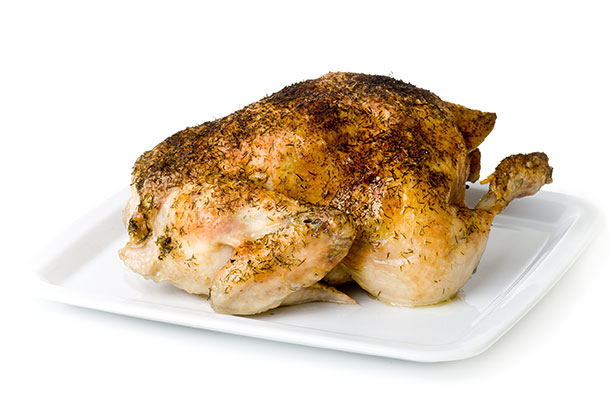
Alongside beef and pork, you could consider chicken as one of the ‘big three’ in terms of popularity.
However, chicken is a different classification of meat and comes under the poultry category, commonly referred to as ‘white meat’. As you move through this guide, you’ll notice that these white meats contain significantly less saturated fat.
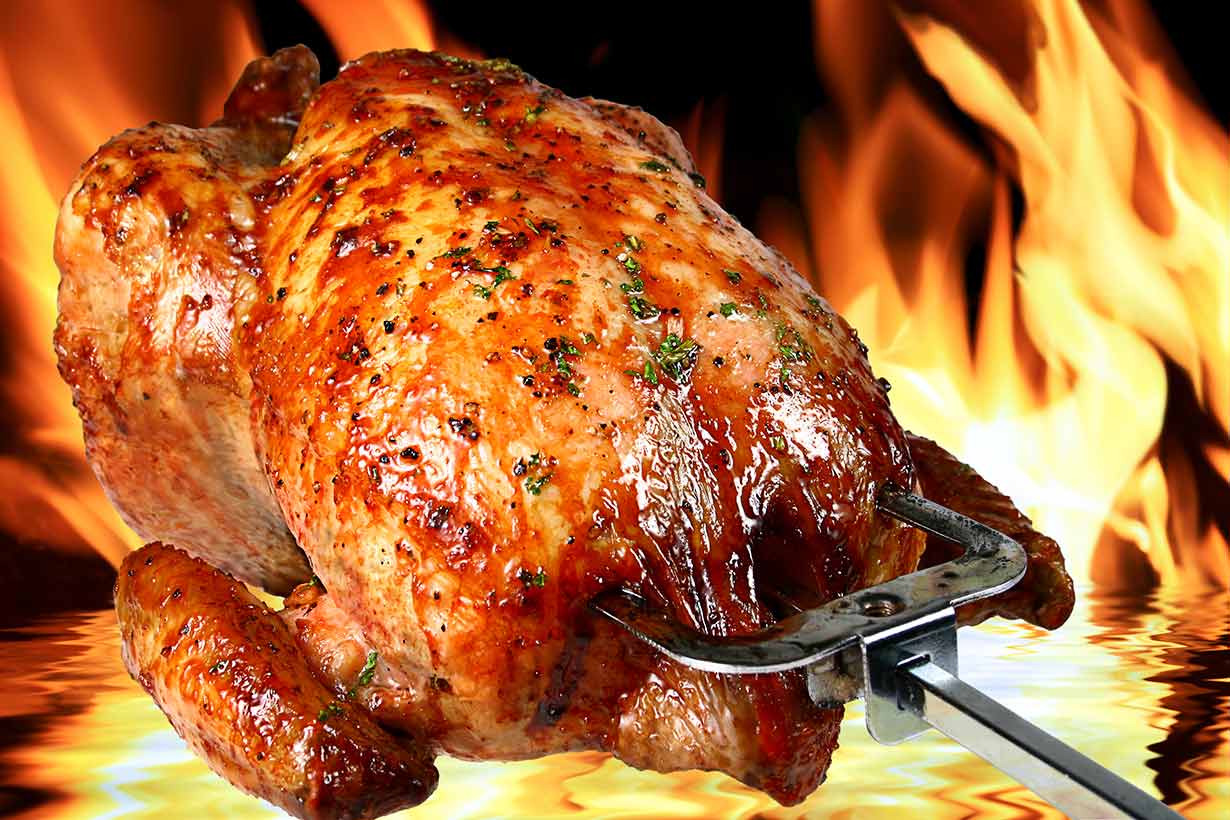
As one of the most popular foods in the world, there are all sorts of chicken-based foods. These range from fried and roasted chicken to chicken soup and even chicken popcorn.
Here are the typical nutritional values for raw ground chicken per 100g:
Nutrient
Amount
% Daily Value
Calories
143 kcal
Carbohydrates
0.04g
0%
Fat
8.1g
10%
Saturated fat
2.3g
12%
Monounsaturated fat
3.61g
Polyunsaturated fat
1.51g
Protein
17.4g
35%
Cholesterol
86 mg
29%
Table 4: Basic nutritional values for raw ground chicken per 100g
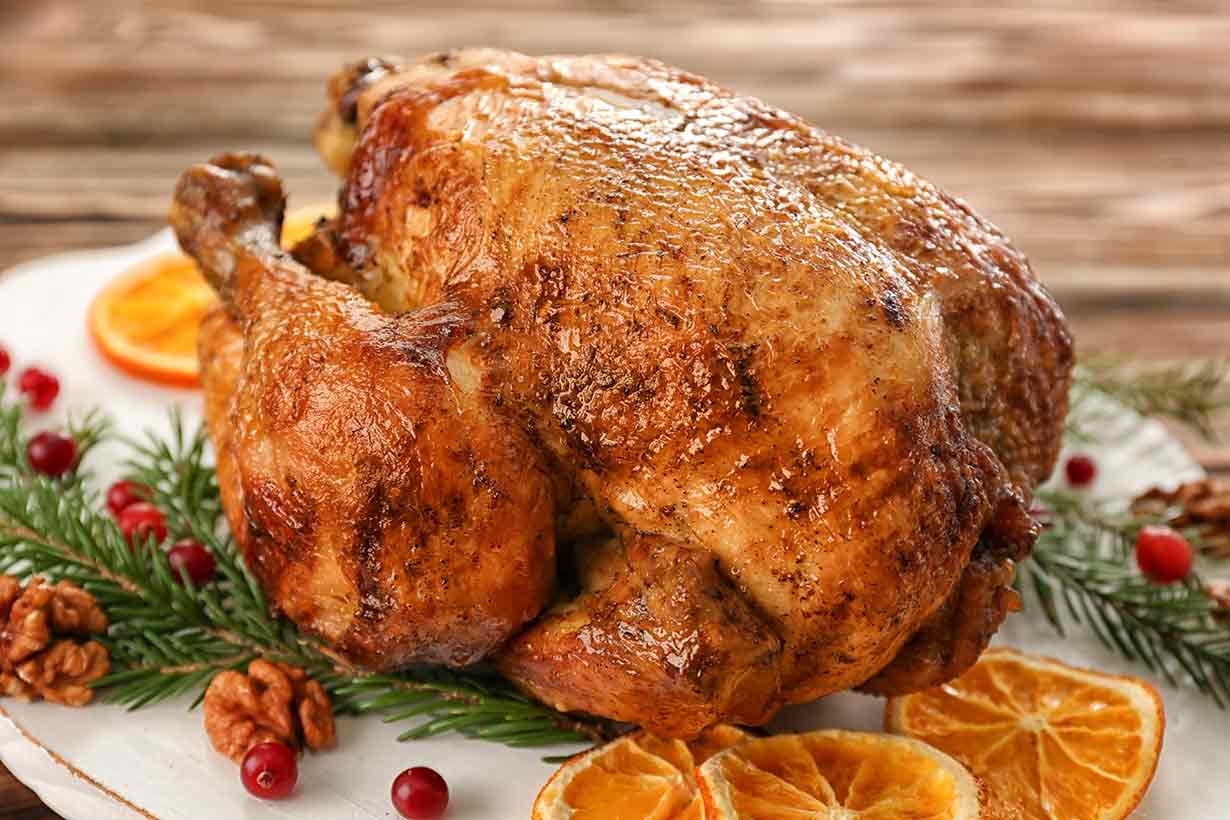
Turkey is another type of white meat, probably best known for its appearance at the Christmas or thanksgiving table.
It has both a deeper yet drier taste than chicken and is a less prevalent form of poultry. Since turkey is typically leaner than chicken, it can be a bit drier, but has a richer flavor.
Roast turkey is probably the most popular way to eat turkey, but you can also find a variety of processed turkey products, such as turkey bacon.
Here are the typical nutritional values for raw ground turkey meat per 100g.
Nutrient
Amount
% Daily Value
Calories
148 kcal
Carbohydrates
0g
0%
Fat
7.66g
10%
Saturated fat
2.02g
10%
Monounsaturated fat
2.64g
Polyunsaturated fat
2.2g
Protein
19.7g
39%
Cholesterol
69 mg
23%
Table 5: Basic nutritional values for raw ground turkey meat per 100g
Venison refers to the flesh of a deer, which is a slightly rarer type of meat.
However, sales have grown in recent years due to venison’s perceived healthier status among consumers.
Unlike other types of red meat, venison is very lean, with a typically lower fat and calorie content. Overall, it has a nutritional profile that is somewhat in between poultry and red meats like beef and lamb.
Here are the nutritional details for 100g of raw ground venison meat.
Nutrient
Amount
% Daily Value
Calories
157 kcal
Carbohydrates
0g
0%
Fat
7.13g
9%
Saturated fat
3.36g
17%
Monounsaturated fat
1.34g
Polyunsaturated fat
0.39g
Protein
21.8g
44%
Cholesterol
80 mg
27%
Table 6: Basic nutritional values for raw ground venison meat per 100g
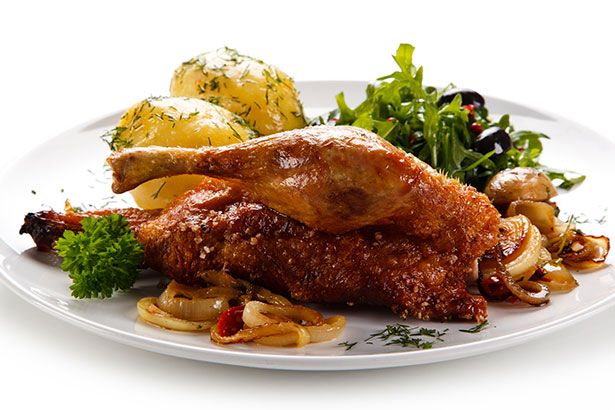
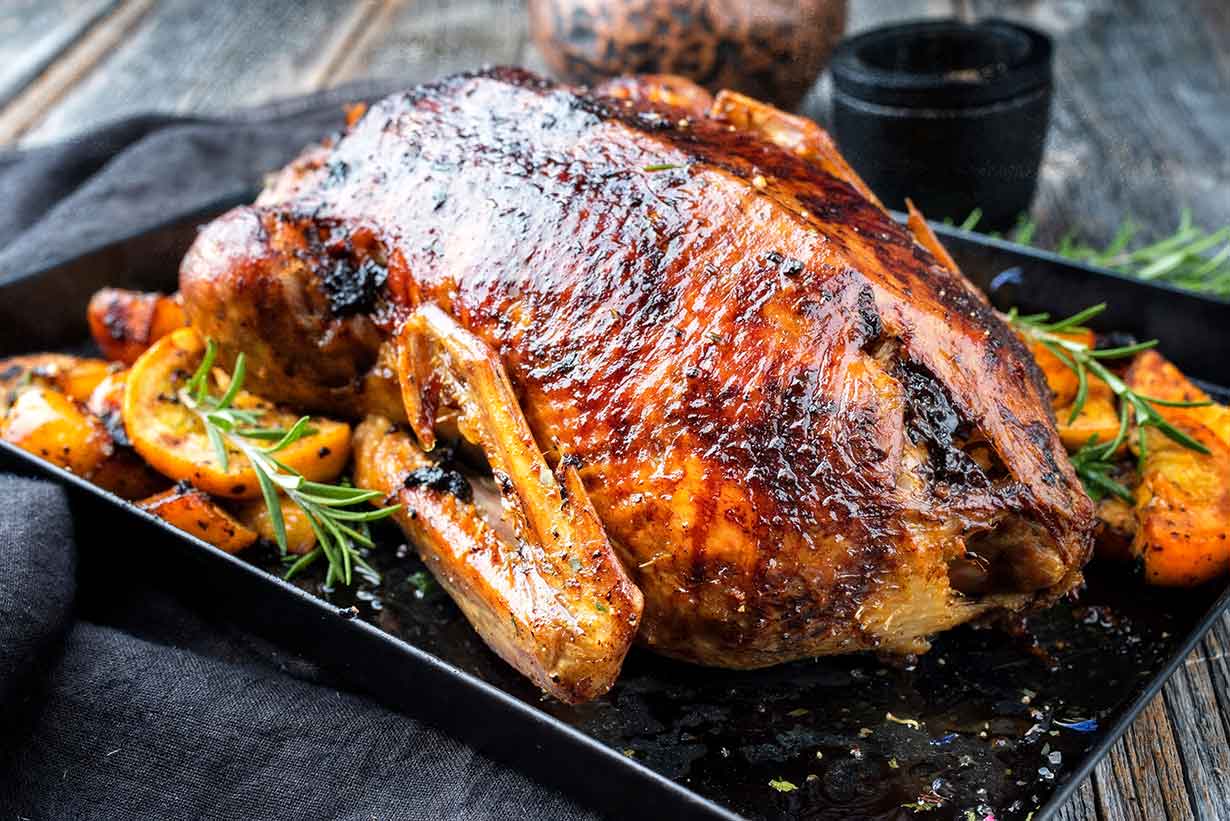
While still classed as a type of white meat like poultry, duck has a slightly darker appearance than chicken and turkey. This is simply because it contains more myoglobin, a protein responsible for the ‘redness’ of red meat.
Duck isn’t a common staple food like chicken in English speaking countries, but it enjoys popularity in some cuisines. For example, Peking duck is a famous Chinese food.
Here are the typical nutritional values for 100g of raw duck meat (meat only).
Nutrient
Amount
% Daily value
Calories
135 kcal
Carbohydrates
0.94g
<1%
Fat
5.95g
8%
Saturated fat
2.32g
12%
Monounsaturated fat
1.54g
Polyunsaturated fat
0.75g
Protein
18.3g
37%
Cholesterol
77 mg
26%
Table 7: Basic nutritional values for raw duck meat per 100g
Bison is a traditionally leaner type of red meat due to wild bison typically being able to roam free and forage on grass. For this reason, it contains less fat and fewer calories than fattier cuts of beef and lamb.
However, grain-fed bison have become increasingly common, which are grain-finished in feedlots similar to most beef. Unless the bison meat is labelled as ‘grass-finished,’ then it likely comes from grain-finished bison.
While not as common as beef, lamb, and pork, bison has been increasing in popularity over recent years. According to the USDA, it has a deeper red color than beef due to its comparative lack of marbling (fat within the meat).
The table below shows the typical nutritional values of raw ground bison meat per 100g.
Nutrient
Amount
% Daily Value
Calories
223 kcal
Carbohydrates
0g
0%
Fat
15.9g
20%
Saturated fat
6.8g
34%
Monounsaturated fat
6.22g
Polyunsaturated fat
0.75g
Protein
18.7g
37%
Cholesterol
70 mg
23%
Table 9: Basic nutritional values for raw ground bison meat per 100g
Goose is a type of poultry that falls under the ‘white meat’ banner.
Despite this, its meat is much darker than poultry like chicken and turkey, and it is also significantly more expensive.
While goose meat is relatively uncommon in countries like the United States and United Kingdom, it enjoys more popularity in China and several European nations.
Here are the basic nutritional values for typical raw goose meat per 100g.
Nutrient
Amount
% Daily Value
Calories
161 kcal
Carbohydrates
0g
0%
Fat
7.13g
9%
Saturated fat
2.79g
14%
Monounsaturated fat
1.85g
Polyunsaturated fat
0.9g
Protein
22.8g
56%
Cholesterol
84 mg
28%
Table 10: Basic nutritional values for raw goose meat per 100g
Similar to other meats like rabbit, bison, and venison, pheasant is a somewhat fringe meat option in terms of popularity.
However, it is seen as a “premium meat” that is sometimes positioned as an upgrade to regular chicken. For this reason, pheasant enjoys popularity in high-end dining.
Pheasant is a white meat and very lean. Here are its typical basic nutritional values per 100g raw.
Nutrient
Amount
% Daily Value
Calories
133 kcal
Carbohydrates
0g
0%
Fat
3.64g
5%
Saturated fat
1.24g
6%
Monounsaturated fat
1.17g
Polyunsaturated fat
0.62g
Protein
23.6g
47%
Cholesterol
66 mg
22%
Table 12: Basic nutritional values for raw pheasant meat per 100g
Goat meat is an extremely popular type of meat in some countries, particularly in countries within Africa and Asia.
However, it is relatively uncommon in the United States and European countries.
Goat meat is a type of red meat, and while often viewed as being similar to lamb, the two are quite different. Goat meat is generally far leaner yet has a stronger flavor.
Goat meat typically has the following nutritional values per 100g raw.
Nutrient
Amount
% Daily Value
Calories
109 kcal
Carbohydrates
0g
0%
Fat
2.31g
3%
Saturated fat
0.71g
4%
Monounsaturated fat
1.03g
Polyunsaturated fat
0.17g
Protein
20.6g
41%
Cholesterol
57 mg
19%
Table 13: Basic nutritional values for raw goat meat per 100g
As someone working in the nutrition field, I realize that people often compare the characteristics of different foods looking for the best option. So I understand why questions like “which meat is healthiest?” might be on your mind.
However, the healthfulness of any food, including meat, depends on the context, the individual, and their overall diet.
For example:
Beef: It’s possible that beef could be the best choice for someone with a low intake of iron and vitamin B12. In contrast, fatty cuts of meat would be sub-optimal for someone attempting to lower their levels of “bad” LDL cholesterol.
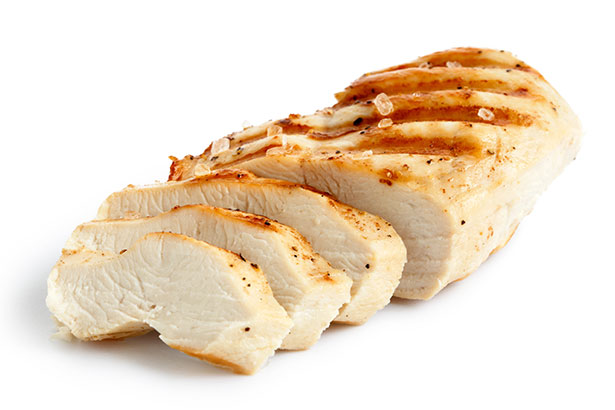
Chicken: Something like chicken breast may be ideal for someone looking to increase their protein intake while keeping saturated fat intake lower. However, for someone who needed significantly more calories and dietary fat in their diet, it may be sub-optimal (depending on the whole meal).
These are just some examples of why its so important to consider your total dietary pattern rather than single food choices.
It is also not essential to eat meat, and many of the nutrients it contains can be obtained elsewhere.
Organ Meat
Although they are not as popular as they once were, organ meats are very nutrient-dense, containing high levels of essential nutrients per gram.
Organ meats include foods like beef liver, kidney, and liverwurst.
Michael works as a nutritionist in a community setting and holds a Master's degree in Clinical Nutrition. He is a Registered Associate Nutritionist (ANutr) with the Association for Nutrition (AfN), and has published peer-reviewed research.